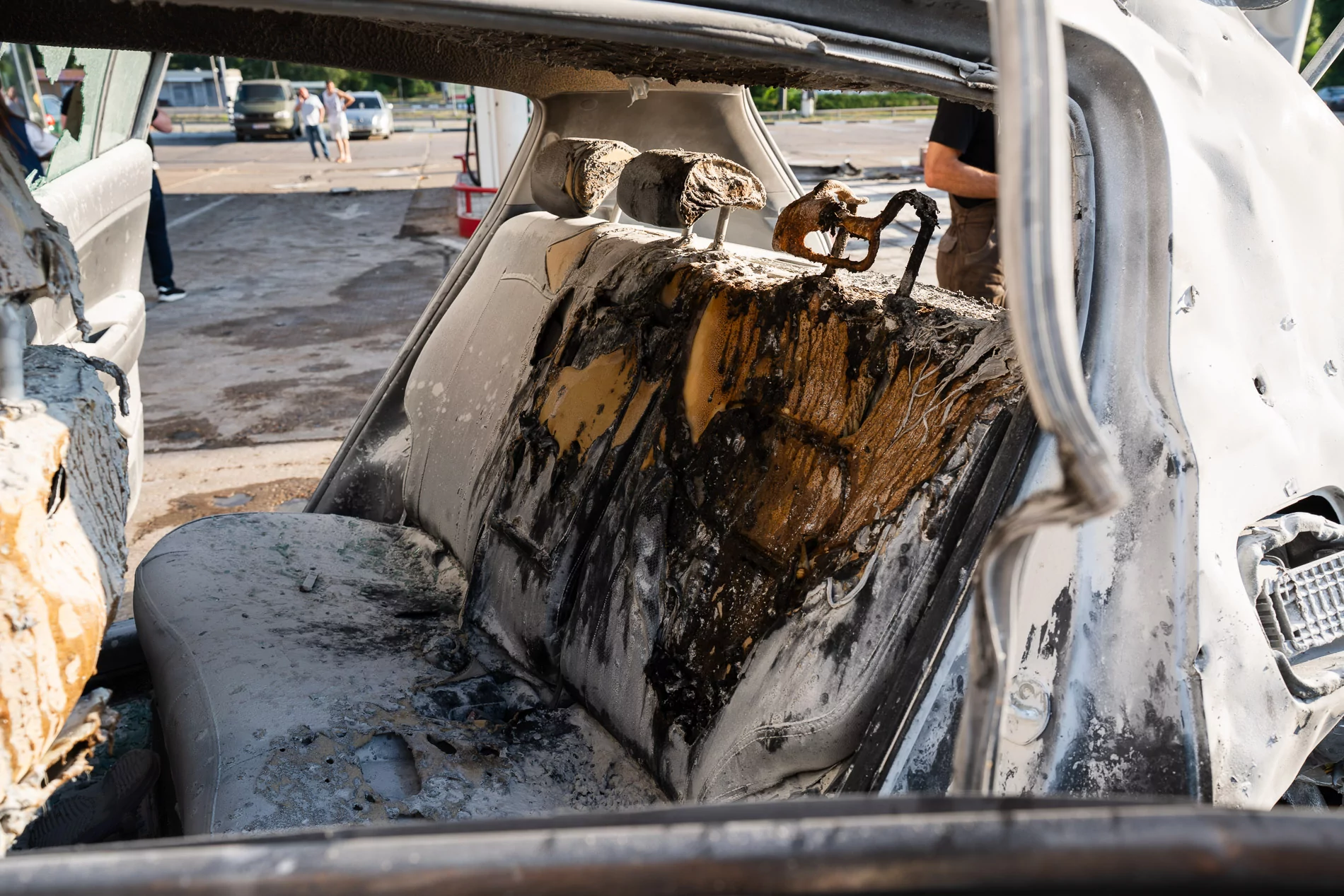
UKRAINE, KHARKIV – In 2022, first-person view (FPV) drones were considered a frontline weapon, operating just miles from the trenches.
As technologies evolved, both Russia and Ukraine expanded the applications of these weapons. Within the security services’ “Spiderweb” operation, Ukraine smuggled FPVs deep into Russia and used them to strike four military airfields. Russian pilots organized a “human safari” to hunt civilians in Kherson after the city’s liberation in 2023, and later extrapolated this tactic for all frontline communities.
This summer, Russian FPVs reached deep into Kharkiv, and the city authorities missed, as our readers feared, an opportunity to protect the city before these drones started targeting people. This article will go into the nature of the threat, evolution of Russian FPV drone technologies, the ways Kharkiv military and civilian administrations respond to them now, — and provide safety advice on how people can protect themselves against FPVs.
What FPV drones are
FPV (first-person view) drones are small, maneuverable quadcopters controlled by an operator using remote control and goggles. They can reach speeds of up to 60 mph. The pilot sees a live video from the drone’s camera and, depending on the type of drone, can use the drone equipped with explosives as a kamikaze weapon or drop explosives and return “to the base.”
These drones are relatively low cost, and their speed and capacity for precise strikes allow trained operators to target vehicles, trenches, and other objects from up to 20 km (~12 miles) — and that’s without accounting for, e.g. Ukraine’s newest long-range FPVs with a range of up to 100 km (62 miles).
In the beginning of the full-scale invasion, Russia lagged behind Ukraine in the use of FPV drones, but now it has caught up.
When FPVs began to reach Kharkiv?
The first attacks of Russian FPVs on Kharkiv were recorded in the autumn of 2025. To overcome the limited range of FPVs, Russian forces used a Molniya “mother drone” to relay the control signal, carrying the drones to the edge of Kharkiv and dropping them to reach targets in the city.
At the end of October, several Gwara’s sources in the military who wished to maintain anonymity for fear of repercussions from the command said that soldiers and other personnel were recently banned from using the northern part of the Kharkiv ring road.
In February, according to the Kharkiv Regional Prosecutor’s Office, Russian forces struck Kharkiv with a fiber-optic FPV drone for the first time. Unlike conventional FPV drones, fiber-optic FPV drones use a spool of ultra-thin fiber-optic cable instead of radio waves for control and video transmission. This makes them highly resistant to electronic warfare equipment.
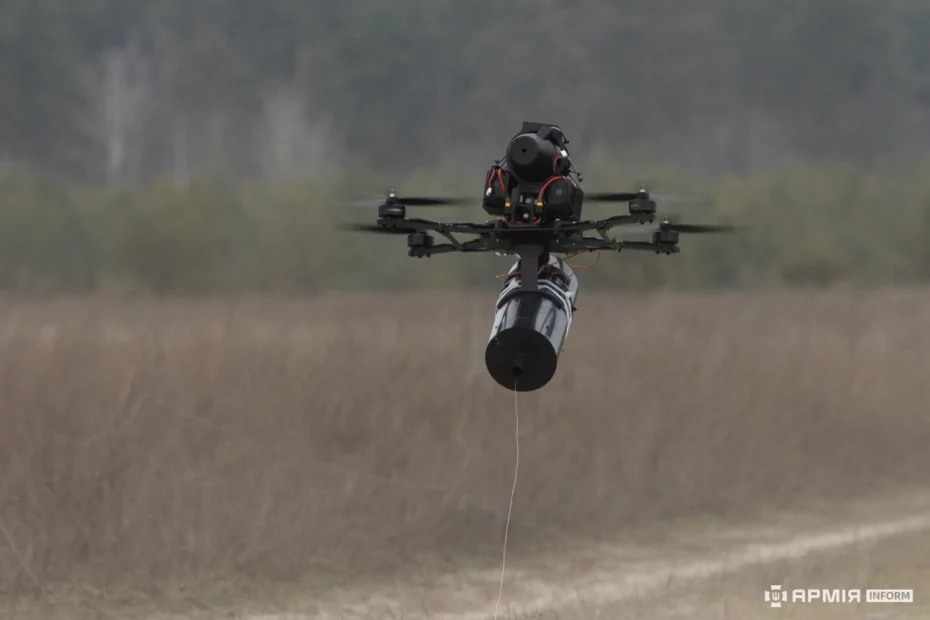
In 2026, Russia is using improved fiber-optic drones, in which cable can extend for about 30-44 miles and is difficult to sever, says the commander of Peaky Blinders special forces unit with a call sign Zalizniak. While their operators have to carefully plan routes for the drones to avoid damaging their cables, such a range means that the weapons that can only be shot down or ‘trapped’ in the anti-drone nets are now capable of reaching the center of Kharkiv.
Main targets of Russian FPVs in Kharkiv
Gas stations have become one of the primary targets of Russian FPV drones ‘hunting’ in Kharkiv — one such attack with a double-tap strike afterwards injured six people. During one week in July, according to authorities, more than half of the drones attacking the city targeted transport and fuel infrastructure.
The other main target is vehicles on the move. This summer, Russian FPV drones attacked a civilian car in Kharkiv suburbs, killing two women and injuring the driver; hit a vehiсle of a breadmaking plant in a central district of Kharkiv, injuring its driver as well; killed another driver, also in the center of the city.
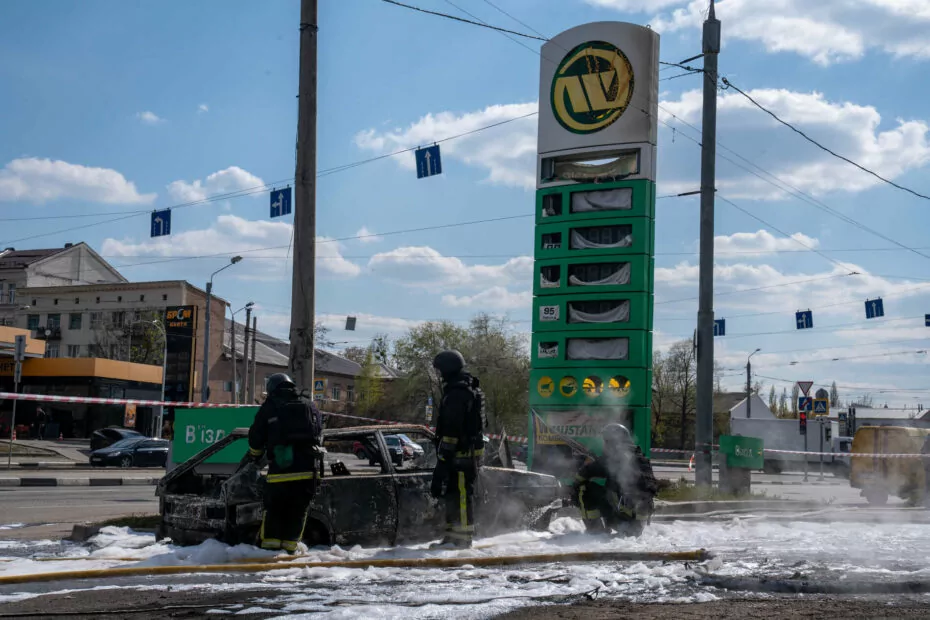
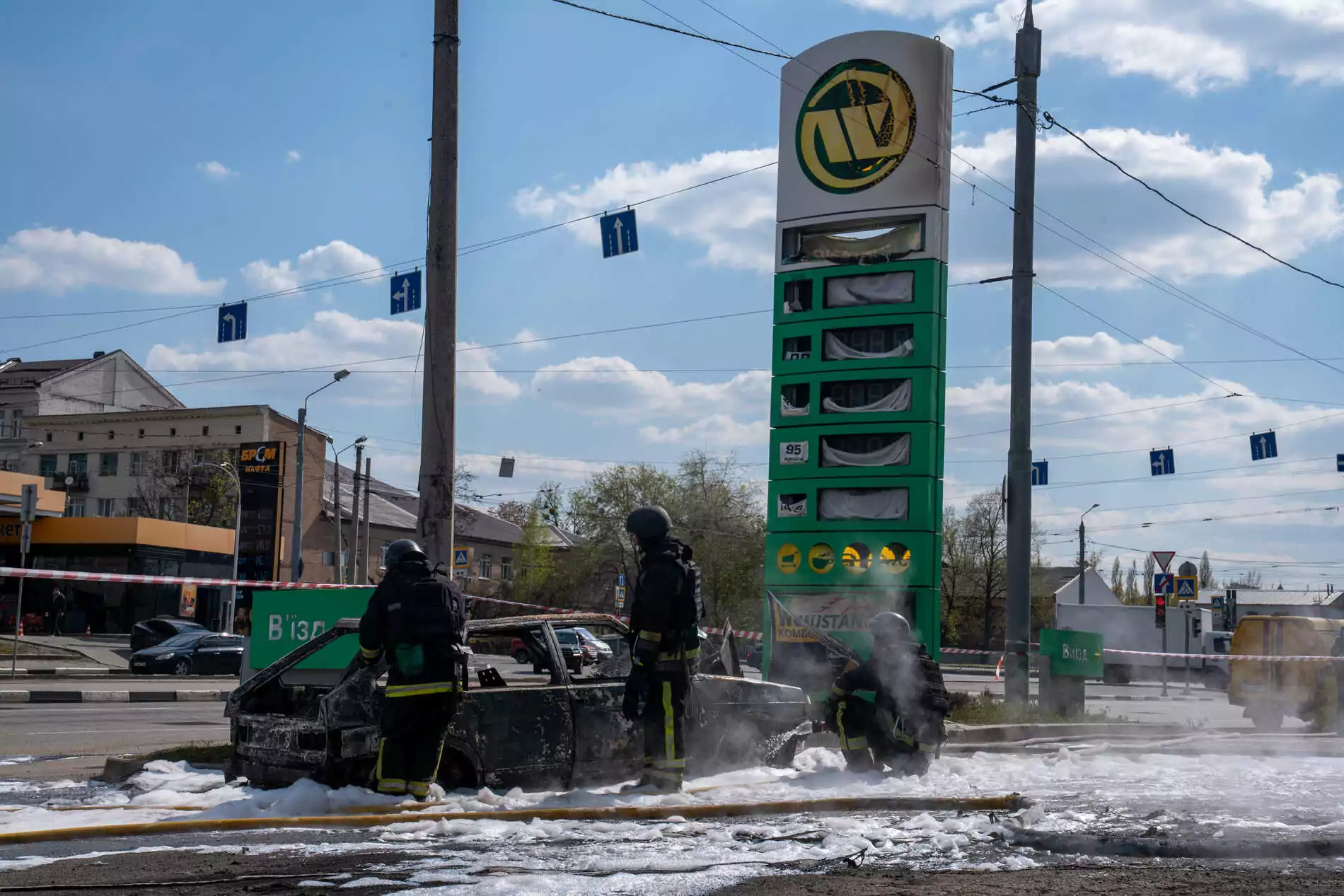
Across the Kharkiv region, Russian FPV pilots target ambulances, energy workers, and evacuation routes. In border communities, they also use FPVs to target civilians. One woman, the last resident of the border village of Tokarivka Druha, was killed in an FPV drone attack while simply walking along a road.
FPV countermeasures in Kharkiv: Too little, too late
Countering FPV drones relies on three main layers of defense: electronic warfare systems, anti-drone nets and mobile fire groups equipped with rifles. Because electronic warfare cannot stop fiber-optic FPV drones, anti-drone nets have become one of the main defenses.
Kharkiv authorities, in particular Kharkiv military administration, said they “have a plan” for antidrone protection of the roads in the city in autumn of 2025, though governor Oleh Syniehubov refused to provide any details and the administration cited security concerns for non-response to Gwara’s official inquiry.
Infrastructure services started to install poles for anti-drone nets on the Kharkiv ring road at the end of December 2025. Then, in July 2026, Syniehubov announced again that construction for the nets for the ring road would begin. Russian FPVs have already been regularly attacking Kharkiv.
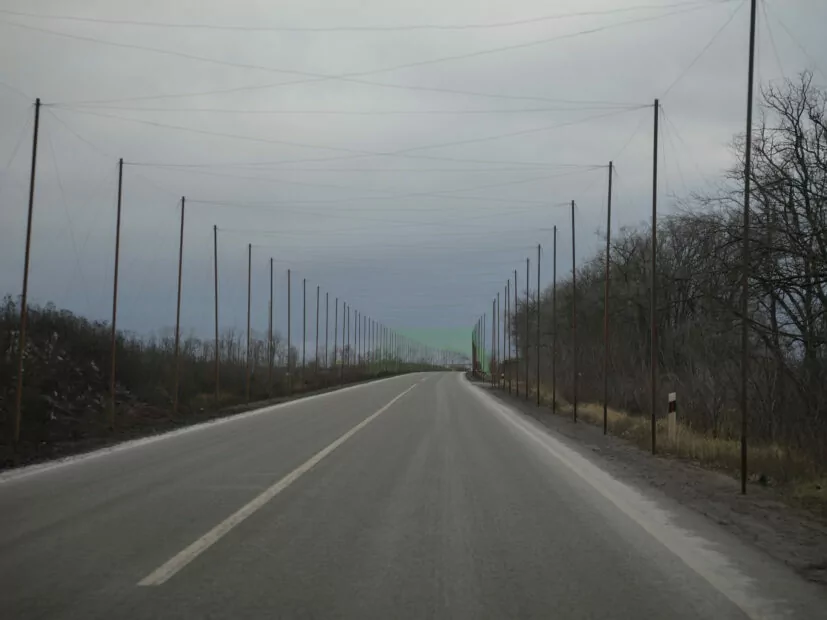
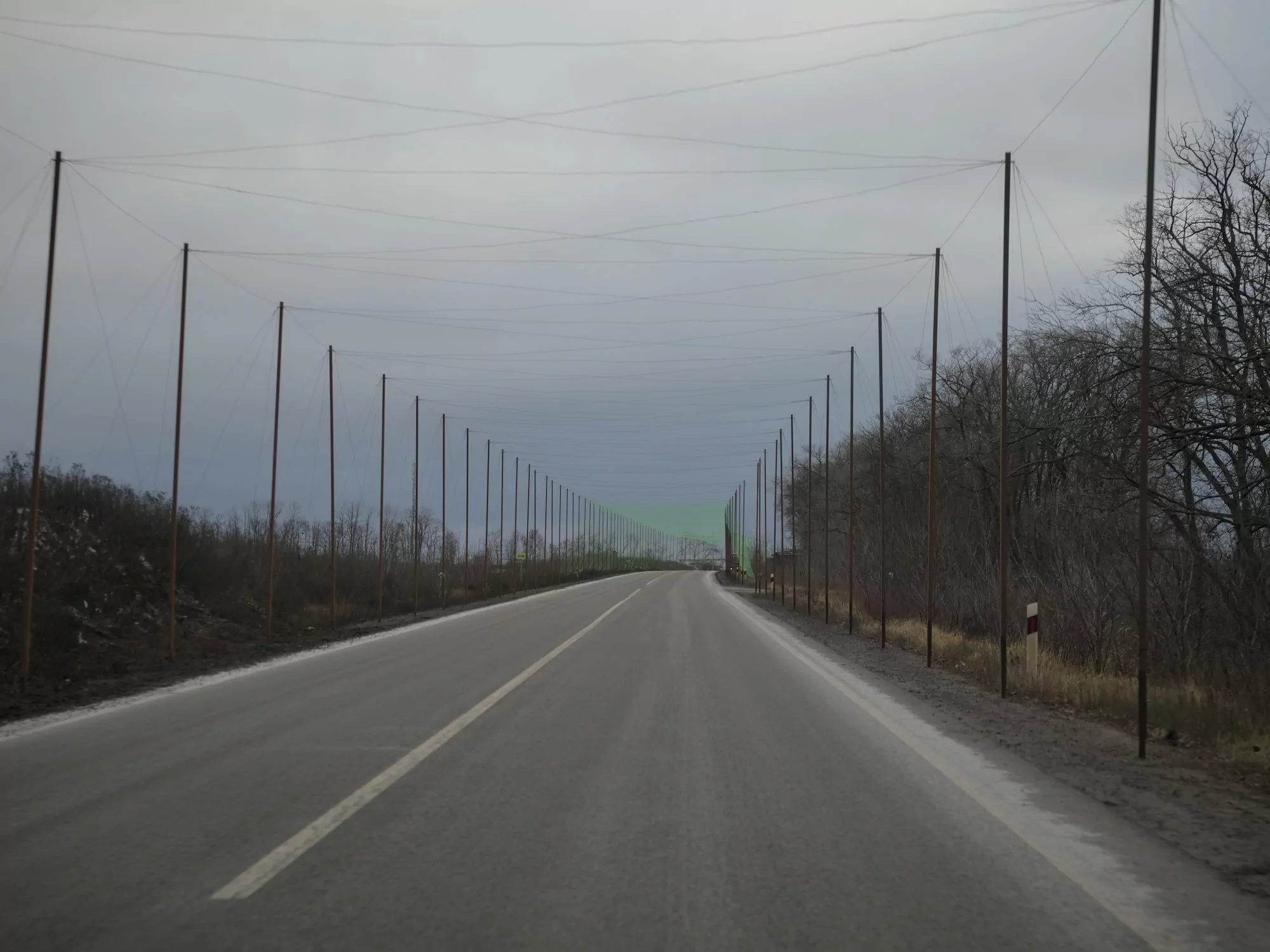
The number of attacks increased with time as well. Statistics provided by the city mayor, Ihor Terekhov, show that the Russians hit Kharkiv with FPVs 18 times in June and 51 times in July. Dozens of gas stations were damaged or destroyed. Anti-drone nets above some of them also started to appear only in July.
When locals started to question why the city is still unprotected from the threat that has been apparent, by generous estimates, since last autumn, authorities blamed funding shortages. Only about 43 miles of protective netting have been installed – 10% of the originally planned 443 miles. Priorities on what city objects to cover first are determined by the military command and the Kharkiv Regional Military Administration.
Zalizniak from Peaky Blinders thinks Kharkiv is now following a pattern already seen in other frontline cities like Kostiantynivka and Kramatorsk of Donetsk oblast or Kherson city: attacks first focus on critical infrastructure, then transportation, and eventually civilians.
Syniehubov has recently announced a “multi-layered drone defense project” to protect Kharkiv from FPV strikes. The plan includes intercepting drones before they reach the city, building anti-drone corridors along the ring road and key highways, and deploying mobile fire groups to destroy drones that manage to penetrate the city’s defenses.
With no more details known about the project, it’s difficult to say what’s different about this protocol, as that is exactly how air defence worked around Kharkiv before, which we know from the various military sources working in and around the city.
In August, several streets, located in the northern part of the city, are already partially covered with anti-drone nets.
How to stay survive FPV drone attack
Ukraine’s Defense Intelligence has warned that Russian forces received orders to intensify drone attacks on civilian and transport infrastructure in frontline regions. If you live in Kharkiv or another area where FPV drones are increasingly used — or plan to come to Kharkiv and stay here — Peaky Blinder’s commander recommends learning to recognize different types of drones and following basic safety rules during attacks.
- If a drone is nearby, seek shelter inside a building and stay away from windows.
- If caught outdoors during an attack, immediately lie on the ground, cover your head with your hands, and use any available cover.
- After the explosion, move to the nearest shelter and report the drone’s location to emergency services.
Zhora, the deputy commander of Peaky Blinders, also urges not to stop and film drones, as doing so can cost valuable time needed to save life.
Hi! Thank you for reading. Our newsroom works in Kharkiv amidst all these Russian FPV strikes, and we want to share what Moscow does to our home with people beyond Ukraine. If you want to support us, please consider treating us with a $5 coffee.
Cover photo: A car that was burnt down in the Russian FPV drone attack on Kharkiv on July 2, 2026 / Gwara Media, Miia Kliushnikova
Polina Kulish, Gwara’s video editor and a journalist, has contributed to this article. Watch our video on how FPV drones reach Kharkiv, too.
Read more
- Russian missile, drone attack brings destruction to Kharkiv residential area (Photos)
- Hundreds come to Lozova every day, fleeing deadly Russian attacks on Donetsk oblast. Here’s what this dangerous journey is like


Subscribe to news from Kharkiv, Ukraine
Most important stories from the frontline region