Kharkiv is the second-largest city in Ukraine. Located 20 kilometers (12.4 miles) from the Russia-Ukraine border, it has faced frequent Russian air attacks almost every day since 2022.
Despite the ongoing war and the extensive destruction, there are still many things to do in Kharkiv. Many foreigners continue to visit Kharkiv, including military personnel, volunteers, and journalists.
Many of Kharkiv’s best-known attractions remain accessible. Mirror Stream, Freedom Square, Derzhprom, Sarzhyn Yar, and several other landmarks are all located in the city center and can be seen during a single walk.
Is Kharkiv safe to visit?
Earlier, we answered the question, “Is Kharkiv safe to visit?” As long as Russia continues to attack Ukrainian cities, the answer remains no. But we have collected several tips that may make your stay in the city safer.
The most important thing is to follow air raid alerts, know where shelters are located in the areas where you plan to stay, always carry your ID, and download offline maps, as GPS may not work properly in Kharkiv during an air raid alert.
Since the beginning of summer, the Russians have increasingly attacked Kharkiv with first-person-view (FPV) drones, including fiber-optic models, which are resistant to electronic warfare systems and detectors. Russian fiber-optic FPV drones have a 40-kilometer (25-mile) flight range and can fly deep into the city because of their modernization.
At the moment, there is no need to carry a drone detector while moving around the city. However, it’s important to pay close attention to your surroundings and keep your eyes in the sky.
It is also worth looking up the names of the districts where you plan to spend most of your time. Special monitoring channels, for example, on the Telegram messenger — TLK News (@tlknewsua) or Radar (@radar_kharkov) — may report different types of threats across different districts, including FPV drones.
Also, since September 2026, Ukrainian authorities have implemented an alert classification system: a yellow alert level indicates a threat from attack drones, while a red alert level indicates the danger of a missile or combined attack.
During a yellow alert, some businesses and infrastructure can continue operating if they comply with safety requirements, while during a red alert, they must shut down and people must take shelter.
Can foreigners visit Kharkiv during the war?
Yes, foreigners can visit Kharkiv, but it’s important to prepare carefully for a trip.
How to get to Kharkiv?
Currently, there are no commercial flights to Ukraine. The only way to reach and travel around Ukraine is by land. You can fly to the nearest city in Poland, Slovakia, Romania, or Moldova, and then continue to Ukraine by bus or train.
Ukrainian Railways (Ukrzaliznytsia) has created a list of trains departing from various destinations abroad for Ukraine. There, you can read more about the train routes that run to Kharkiv.
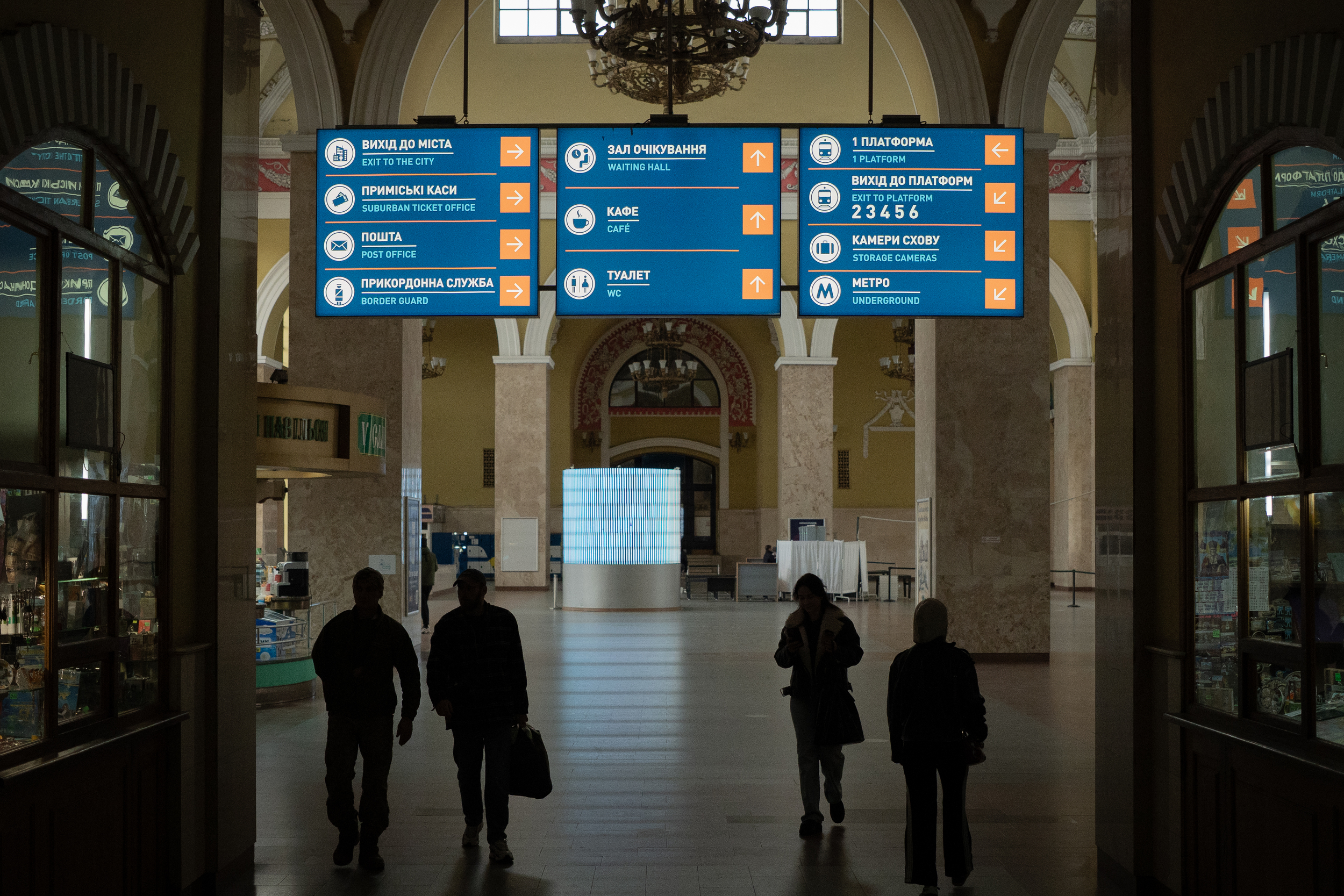
In 2026, Russian forces intensified their attacks on Ukraine’s railway infrastructure. Ukrzaliznytsia may evacuate passengers when there is a threat of Russian attacks to make train trips as safe as possible. Conductors lead passengers to a shelter, if one is nearby, or to a safe distance from the trains, and everyone waits for the threat to pass.
Such security measures can cause delays for most trains, so it’s important to consider this when planning your route. Evacuations can occur frequently in the Kharkiv region, as it is located near the front lines.
If you want to choose a bus, private companies like Busfor offer trips to Ukraine from European cities, including direct routes to Kharkiv.
What to bring with you?
First of all, you check the weather forecast for the period you plan to stay in Kharkiv and pack a set of clothes appropriate for the season. Bring comfortable clothes and shoes if you are planning to take walks. If you are traveling during the colder months, bring warm clothing or thermal underwear, as there may be no heating or electricity during Russian attacks on the energy infrastructure.
It’s also a good idea to bring a power bank so you can keep your devices charged during power outages.
Bring some cash with you. Digital payments are available almost everywhere in Kharkiv, but it’s better to have some cash in case of an emergency. It is best to exchange currency at official exchange offices. In addition to all the necessary documents, it is best to bring copies.
Bring a first-aid kit, in which there should be tourniquets. For walking around the city, it is enough to have at least one in your bag.
Also, don’t forget to download offline maps, because navigation may not work properly during an air raid alert.
Walk through downtown
Many people come to Kharkiv to see places connected to Ukraine’s war with Russia, while others visit the city to see important landmarks before Russia destroyed them forever.
Maidan Konstytutsii
A good place to start your walks is Maidan Konstytutsii (Constitution Square in English). This is the most central point of the city. The Kharkiv metro station nearby has the same name, so it will be easy to find.
In the center of the square stands the Independence Monument, which the city authorities installed in 2012 to replace a monument commemorating the proclamation of the Soviet Union in Ukraine.
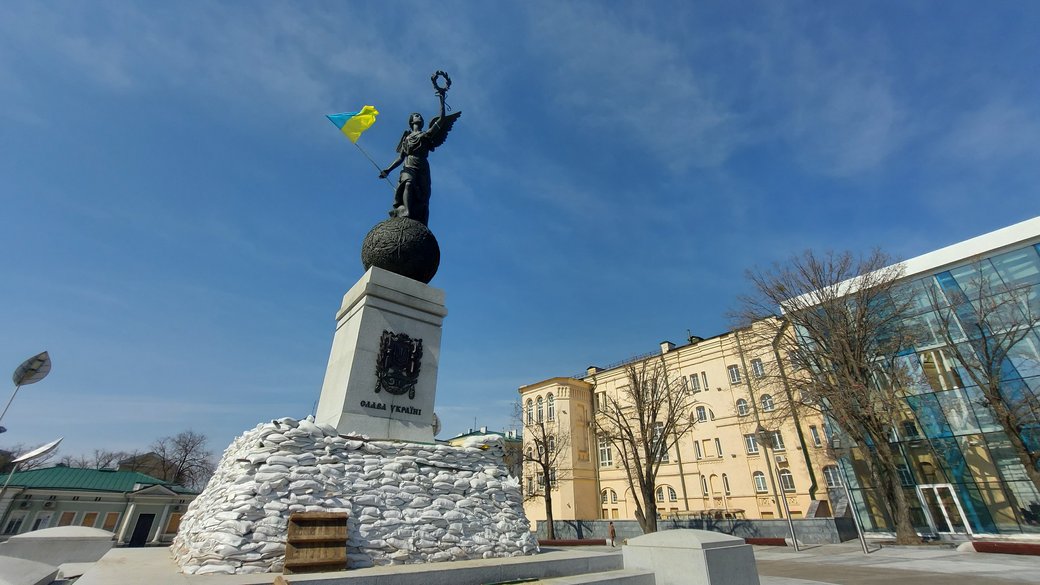
Today, the monument, like most others in Kharkiv, is covered in sandbags that protect it from damage if Russia attacks the monument.
Sumska Street
Kharkiv’s main street, Sumska Street, begins at the Maidan Konstytutsii. At 1 Sumska Street, you can see the famous building with a real giant thermometer. In addition to locals, it is located right next to the metro exit. That is why the phrase “let’s meet under the thermometer” is very important to them.
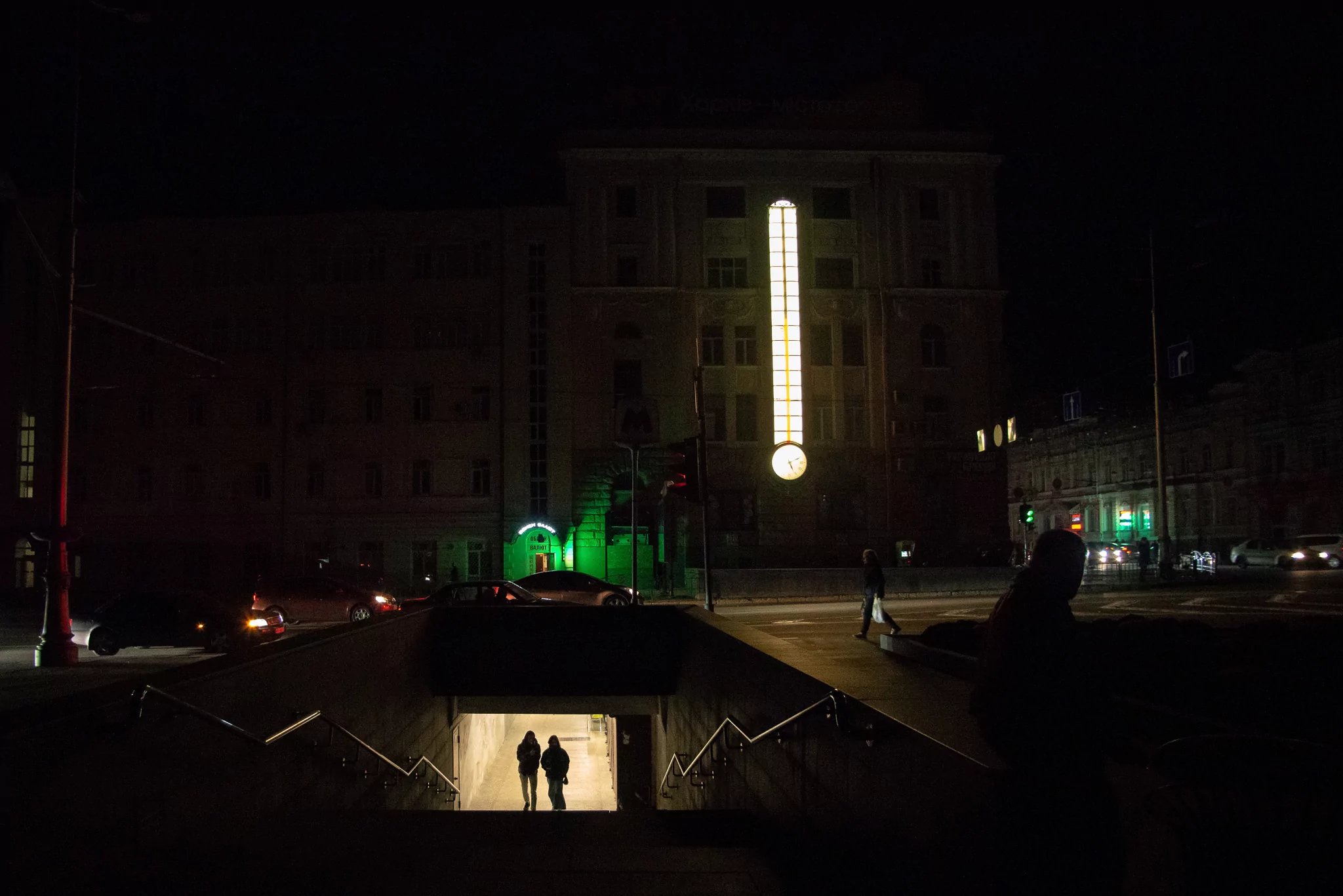
A significant part of Sumska Street is paved with cobblestones, which are considered part of the city’s historical heritage, as they have been in place since the city’s founding. If you walk up Sumska Street from the building with the thermometer toward Central Park, you can see numerous interesting landmarks. We will tell you about the most famous ones.
Kharkiv Ukrainian Drama Theatre
The Kharkiv Ukrainian Drama Theatre, also known as the Taras Shevchenko Kharkiv Academic Ukrainian Drama Theatre. This theatre is one of the oldest in Ukraine. The building itself was constructed in 1841. And 80 years later, Les Kurbas, one of the most famous Ukrainian directors and theatre figures, created the modern Ukrainian Berezil Theatre within these walls.
Now, the theatre does not operate in its usual format. Performances by the troupe can be seen on the shelter stage, which is safe to attend during air raid alerts.
Kharkiv National Academic Opera and Ballet Theater
Further down the street is the Mykola Lysenko Kharkiv National Academic Opera and Ballet Theater. The theatre building, designed in the postmodernist style, was constructed in 1991 and is one of the most famous buildings in Kharkiv. Concerts and performances at the theatre also take place on two safe stages in the basement.
Mirror Stream
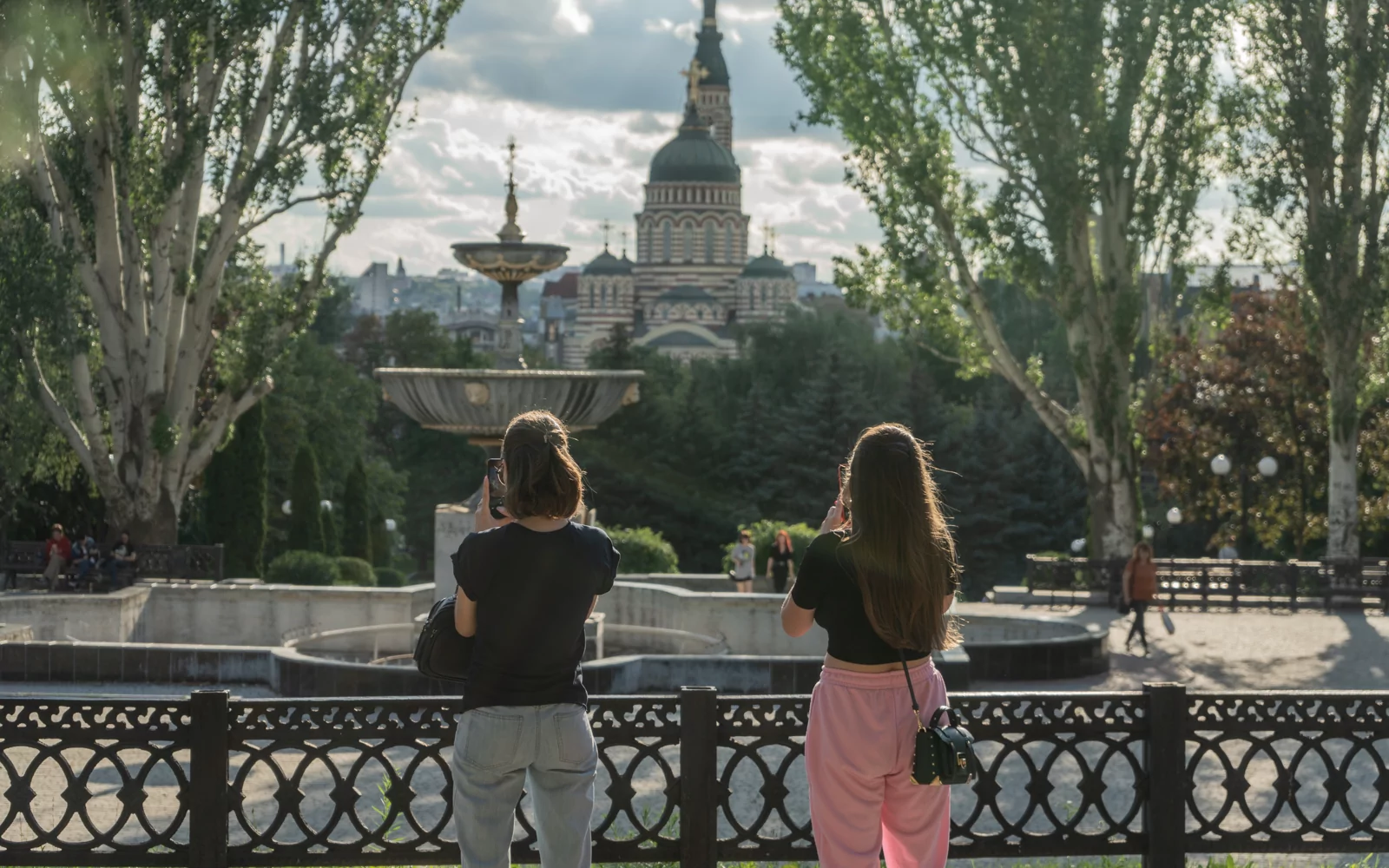
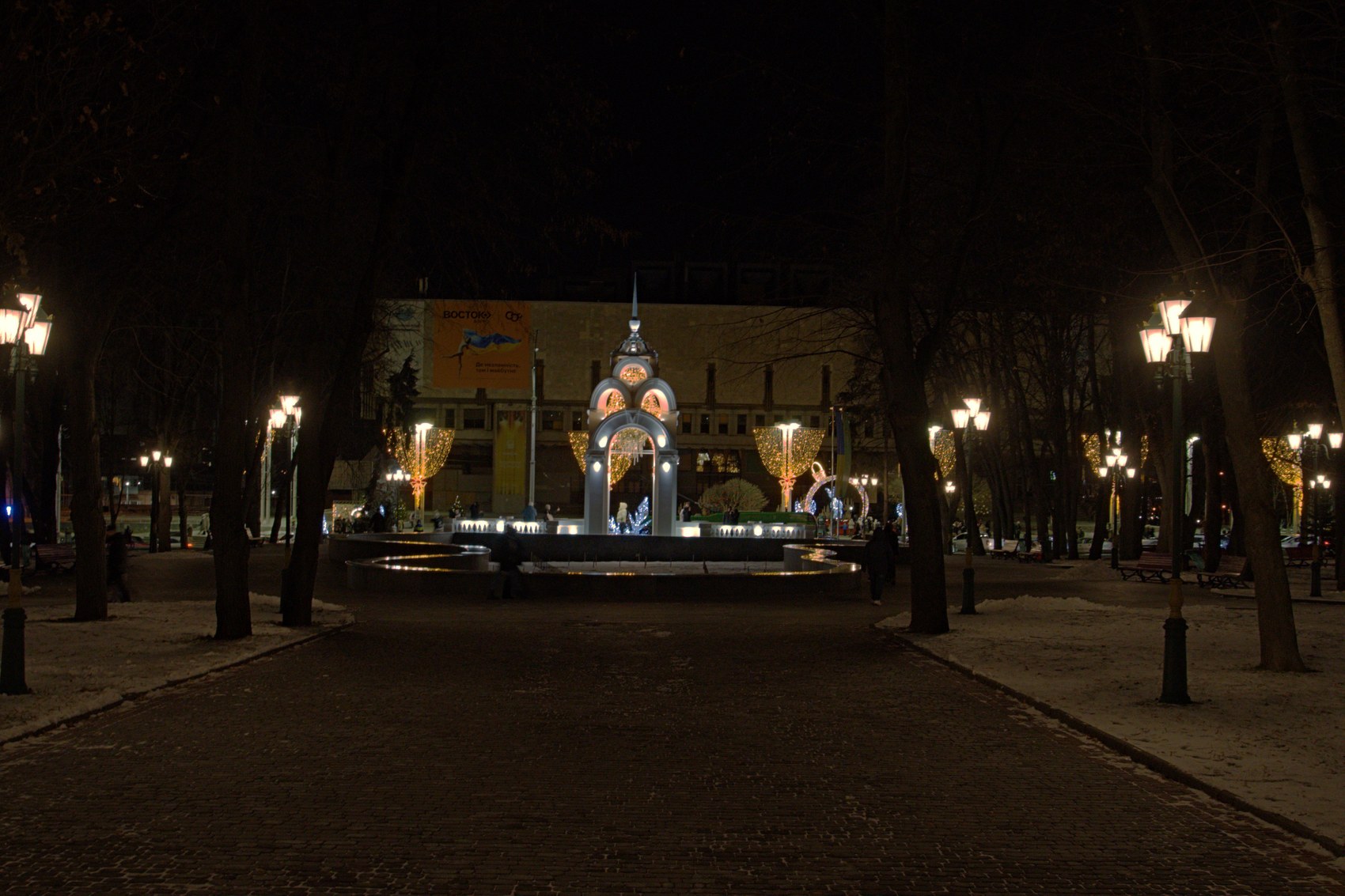
Directly opposite the opera house is a fountain known as the Mirror Stream. The fountain is surrounded by a small park and a church, whose bell tower was damaged in one of the Russian attacks. Mirror Stream has become one of the symbols of Kharkiv, and its image often appears on various souvenirs and merchandise dedicated to the city.
Taras Shevchenko Park
Right next to the opera theatre and the Mirror Stream is Taras Shevchenko Park, one of the oldest and largest parks in the city, named after the famous Ukrainian poet and artist (one of the theatres mentioned earlier is also named after him). The park itself is home to a monument dedicated to Taras Shevchenko, and it is also protected and covered.
The park has a great variety of plants. The old oak trees grow there, some more than 200 years old. Before the full-scale invasion, the city authorities renovated the park, adding new fountains and a small waterfront promenade. The 50th parallel north also passes through the park, and its exact location is marked by a monument in one of the sections. Overall, there are many monuments worth looking at.
Kharkiv Zoo
The Kharkiv Zoo is also located in the park territory and currently operates free of charge. Locals often criticize the city authorities for not having evacuated all the animals to safer regions since February 2022. The animals have to endure stress caused by constant Russian attacks. On June 15, a Russian drone struck the zoo’s grounds, killing 42 rabbits.
Freedom Square
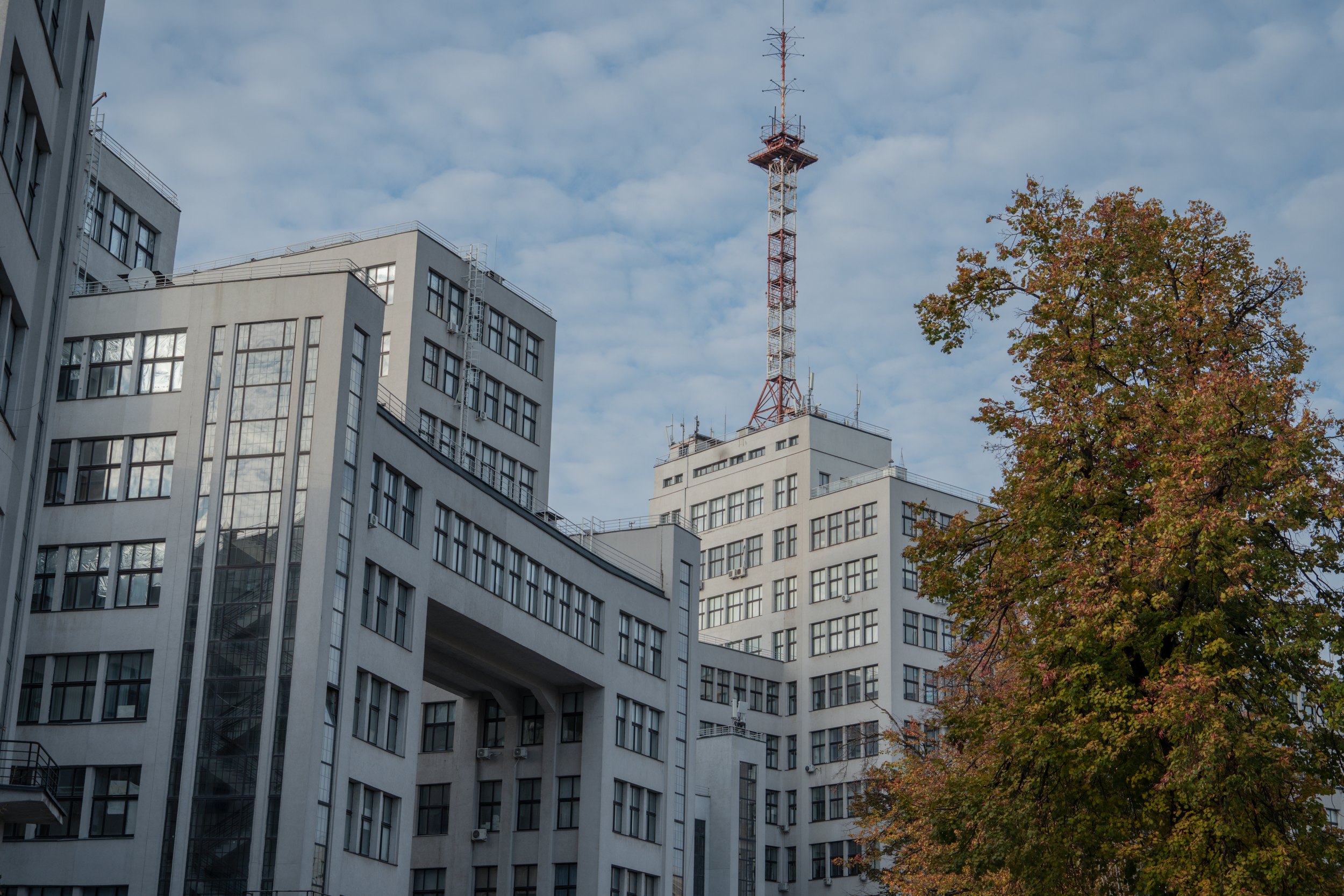
Continuing along Sumska Street, after the park, you will come out onto Freedom Square, which ranks sixth in Europe and 12th in the world. The square measures 690–750 meters (2,264–2,461 feet) in length. At the end is a small park with a dry fountain with two buildings of V. N. Karazin Kharkiv National University and Derzhprom around it. All three buildings are examples of Constructivist architecture.
V. N. Karazin Kharkiv National University
V. N. Karazin Kharkiv National University was opened in 1805 and is one of the oldest universities in Ukraine. Before the war, the university hosted a large number of students, including international students. Now, classes for students are held online because of the security situation. The university administration tries to hold some events offline in safe locations. For several years in a row, the administration has been considering a hybrid educational format and setting up shelter classrooms, but students continue to study remotely.
Derzhprom
Derzhprom is also one of the most recognizable symbols of Kharkiv, and its silhouette is often featured on various items associated with the city. The Derzhprom building was officially opened in 1928 and housed various political institutions. It was the first Soviet skyscraper, with 13 floors. Nowadays, Derzhprom serves as an office center, where both private and government organizations rent premises. During World War II, the building survived numerous German attacks. Since 2022, it has been significantly damaged by Russian attacks. In October 2024, a Russian glide bomb struck Derzhprom. Also, UNESCO has included the building on the list of properties under enhanced protection.
Central Park
Further along Sumska Street, you can reach Central Park. It is also known by its old name, Maxim Gorky Park, after the Russian writer. In 2022, the local authorities renamed the park, and it is now called Central Park.
Following its renovation, the park became a favorite place for Kharkiv locals before the full-scale invasion. Many attractions worked here, and various events, dances, and concerts were held in the park. There is also a cinema and a children’s railway on the territory.
Since 2022, the park has functioned only as a walking area, with all attractions closed because of the threat of Russian attacks. In June 2025, Russia attacked the children’s railway with two glide bombs, killing two people and injuring 19.
Sarzhyn Yar
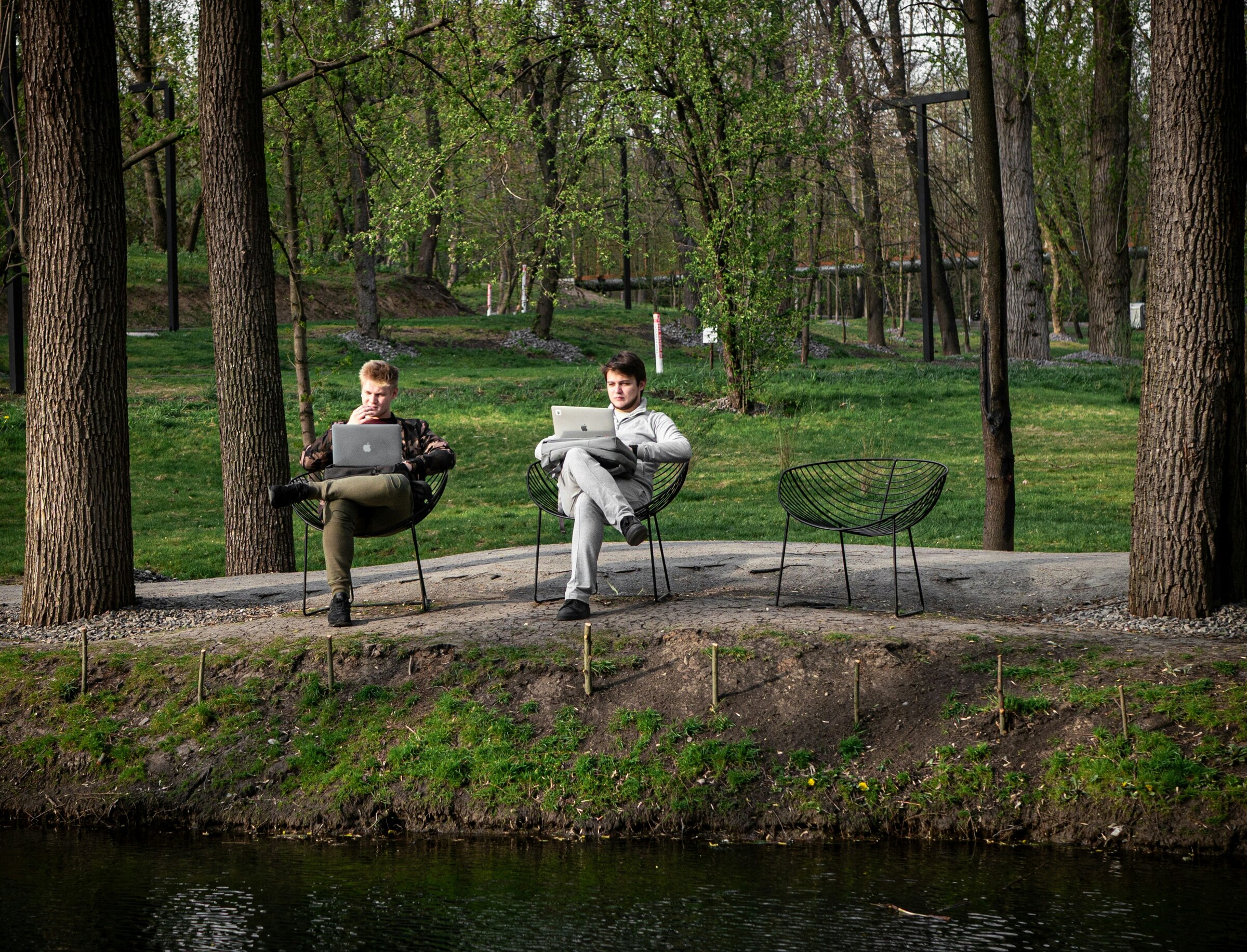
From Central Park, you can walk through the forest-park area to a local natural landmark called Sarzhyn Yar. It is a ravine with gentle slopes that was developed as a park before the full-scale invasion. Down the slope, there is a mineral spring where locals collect water and swim. A small river flows through the area from the spring, with a waterfront promenade along it. Locals call Sarzhyn Yar a natural oasis in the very center of the city, as you can encounter ducks, fish, and other animals there.
Places that show the impact of the war
In the center of Kharkiv, near the Freedom Square, you can see one of the war-related sites — the damaged building of the Kharkiv Regional Administration. Russia attacked the building in 2022, killing 29 people.
In front of the administration building is a memorial lawn dedicated to fallen Ukrainian soldiers. Their families leave photos and small flags there to honor their memory. This is where Kharkiv locals often held demonstrations in support of prisoners of war who are still in Russian captivity.
Opposite the administration building is the “Everything for Victory” volunteer tent, which has been operating since 2014, when Russia first invaded the territory of Ukraine.
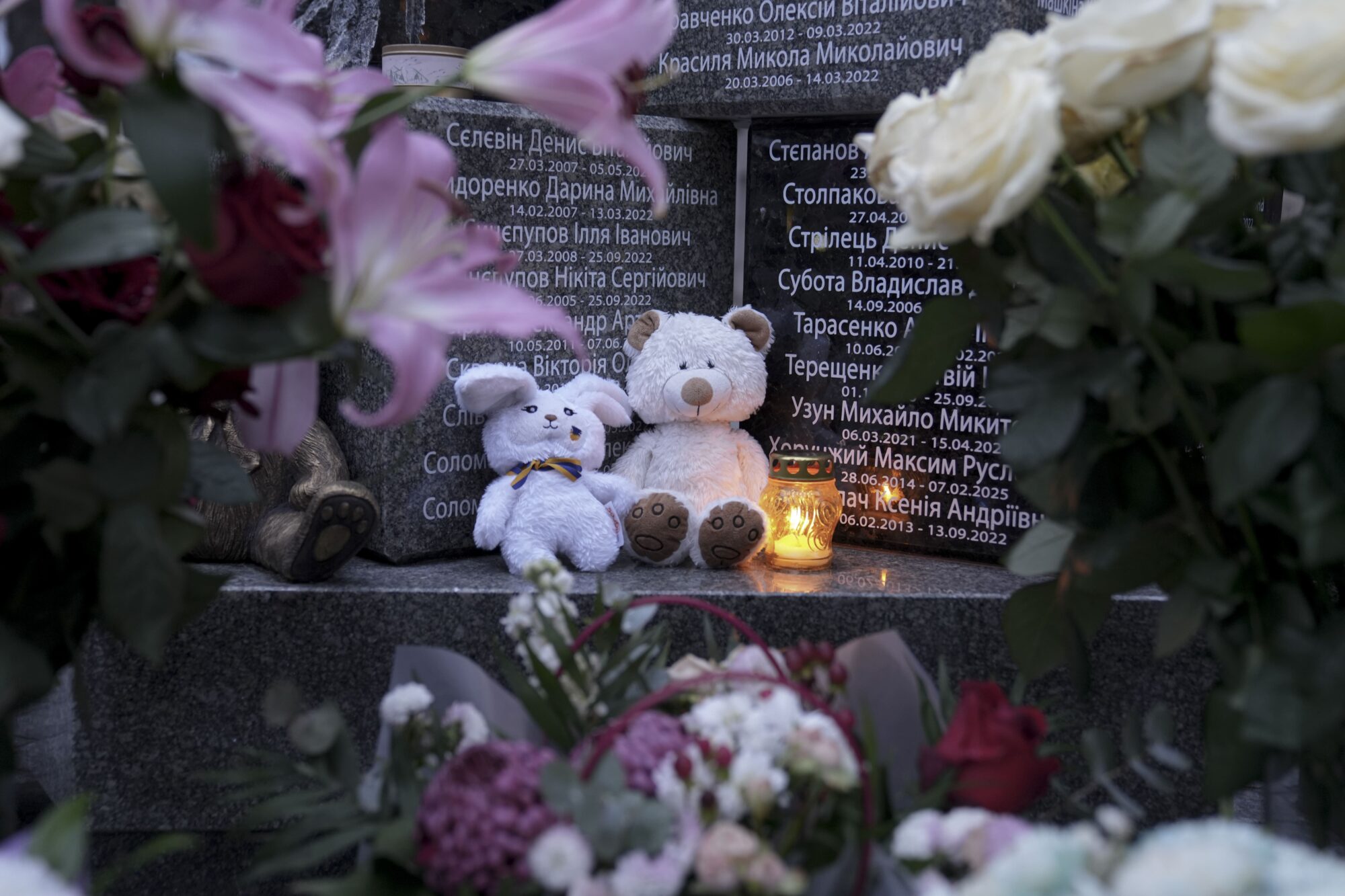
There is also a memorial in Shevchenko Park dedicated to the children who died as a result of the Russian invasion. People who knew the children killed by Russia brought toys here.
While walking around Kharkiv, you can see many buildings that were damaged as a result of Russian attacks on the city. In almost every neighborhood, you can see windows boarded up with plywood. In some places, you can still see marks on the asphalt left by Russian artillery shelling in 2022.
But one of the most damaged areas is Kharkiv’s Saltivskyi district. The district was established in the 1930s and was the most densely populated district of the city. It is located in the northern and mostly eastern part of the city, close to the border with Russia. It was the first to come under Russian artillery strikes and attacks by assault groups that infiltrated through the ring road on the outskirts. Today, most of the buildings there remain destroyed and abandoned.
What other places are there to visit in Kharkiv?
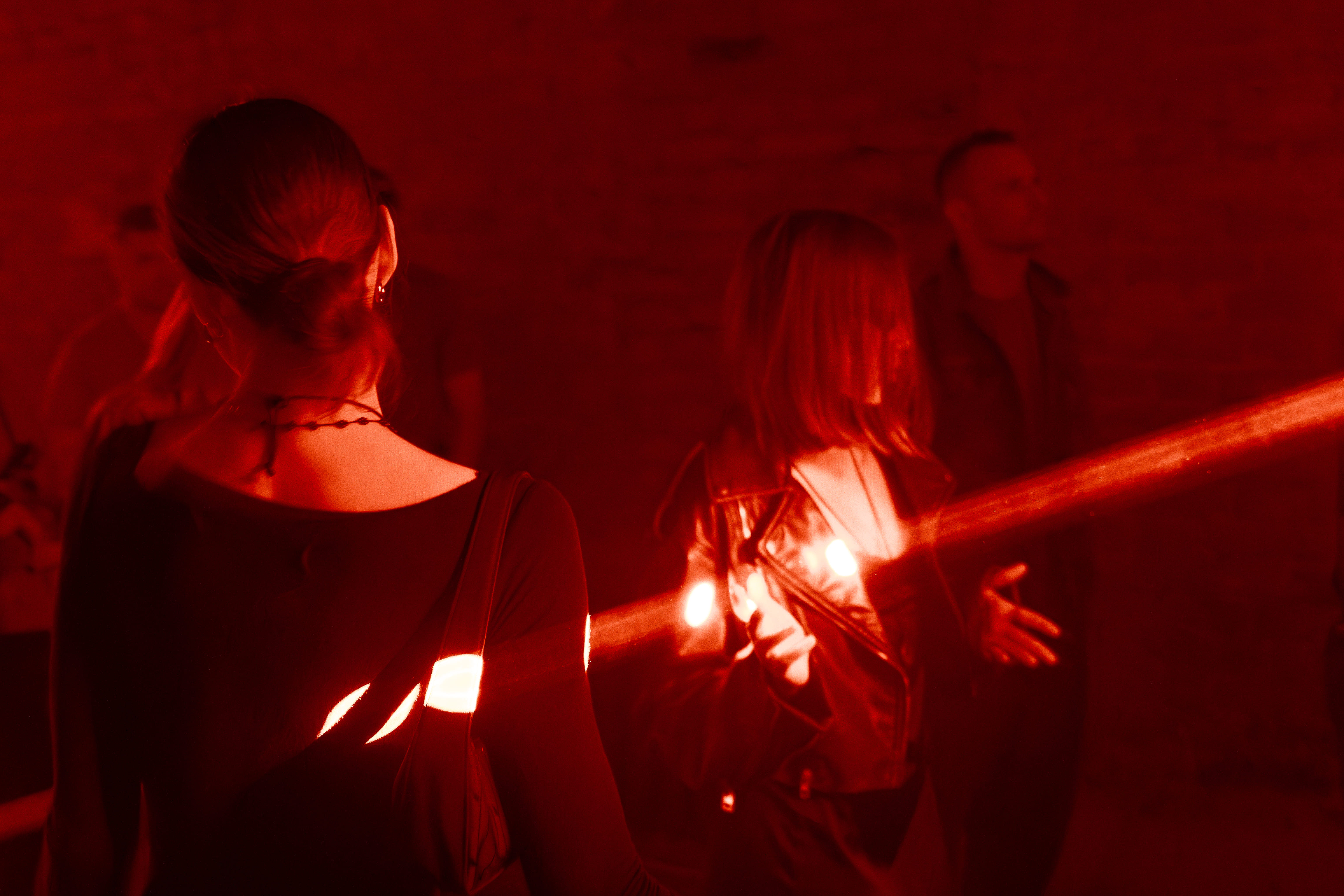
Despite constant Russian attacks, the city continues to live at a new pace. Kharkiv locals continue to find ways to keep cultural life going while staying safe. As we have already mentioned, theatres have moved their performances to safe stages on the basement levels. Concerts by various artists are also held on these stages.
Recently, a new safe concert space, AUDYTORIYA, opened in Kharkiv, where locals and visitors of the city can watch a movie, attend a concert, see a performance, or listen to literary events.
Also, among places to visit in Kharkiv, there are clubs and bars. Locals have an active club community. Read about how many clubs operate in the city near the front line and which ones they are in.
Walking around the city, you can see a lot of street art. Various street paintings and murals began appearing more actively, particularly after the start of the full-scale war.
Some of the most famous works are by Hamlet, a Kharkiv street artist. His paintings can be found in the most unexpected places around the city. Searching for them is a separate form of entertainment.
You can also spot poems and texts by Ukrainian writers on plywood-covered windows whose glass was shattered by nearby explosions. They are left there by Kharkiv artist and activist Dina Chmush.
The city’s architecture is a particular point of interest. In addition to modern buildings and restored spaces, Kharkiv has the largest number of architectural landmarks in the Constructivist style, which emerged during an era of radical social change after World War I. Kharkiv is one of the first cities where it was used. The first Constructivist buildings appeared in 1911. Kharkiv is also rich in Art Nouveau, Classicism, and Neo-Renaissance architecture.
Local architectural activists often organize city tours, talking about different districts and their architectural heritage.
Where to eat in Kharkiv?
As for gastronomic diversity, Kharkiv has many restaurants to choose from. You can eat Asian food, have different types of coffee or matcha, sit on a summer terrace with a cocktail during the warmer months, or stop by a bar in the evening. If you want to try traditional local cuisine specifically, the Trypichchia restaurant in Kharkiv recreates old recipes from eastern Ukraine. There are also veteran-owned businesses in Kharkiv, such as the Palomnik coffee shop at 19 Nauky Ave. and the Angel Military Club at 11 Mykola Khvyliovyi St.
Earlier, Gwara Media explored Kharkiv’s gastronomic map and highlighted new local projects and interesting places to visit.
It is important to remember that the city has a curfew, which begins at midnight. So, don’t forget to check restaurant opening hours, as some may close quite early.
Does public transport work in Kharkiv?
You can reach almost all of the places mentioned to visit in Kharkiv on foot during a walk, but the city also has free public transportation. This includes the metro, trolleybuses, trams, and buses. You can plan your route using Google Maps. You can find the metro schedule on the official website of the Kharkiv Metro. On the gt.kh.ua website, you can track the movement of ground transport, but keep in mind that the service may not work properly during an air raid alert.
Read more
- Kharkiv children go back to schools underground, behind armored doors
- Making history fun in rural Kharkiv region: inside Zlatopil local museum during Russia’s war
Hi! It’s Elza, author of this text. I wrote this article to help foreigners who plan to visit Kharkiv know what to do in the city 12 miles from the frontline — thanks for reading it. Also, please consider supporting our Kharkiv-based media by buying us a coffee or subscribing to our Patreon.


Subscribe to news from Kharkiv, Ukraine
Most important stories from the frontline region