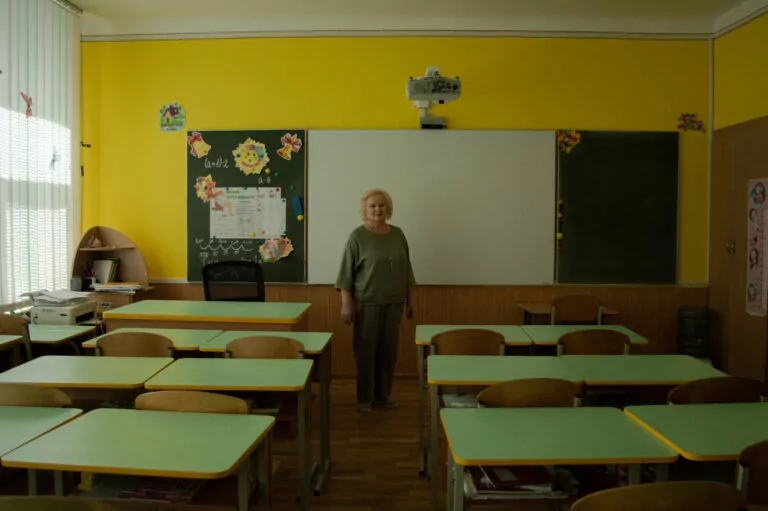
At 8 a.m., Feb. 24, as Russia’s full-scale invasion began, the entire staff of the local history museum in Zlatopil, a quiet city of 25,000 south of Kharkiv, showed up for work, even as residents across Zlatopil scrambled amid the chaos.
“Locals basically called me crazy, and asked: ‘What are you going to do there?” recalls Inha Zadorozhnia, the director of the museum. “I answered: ‘I don’t know! Something!’”
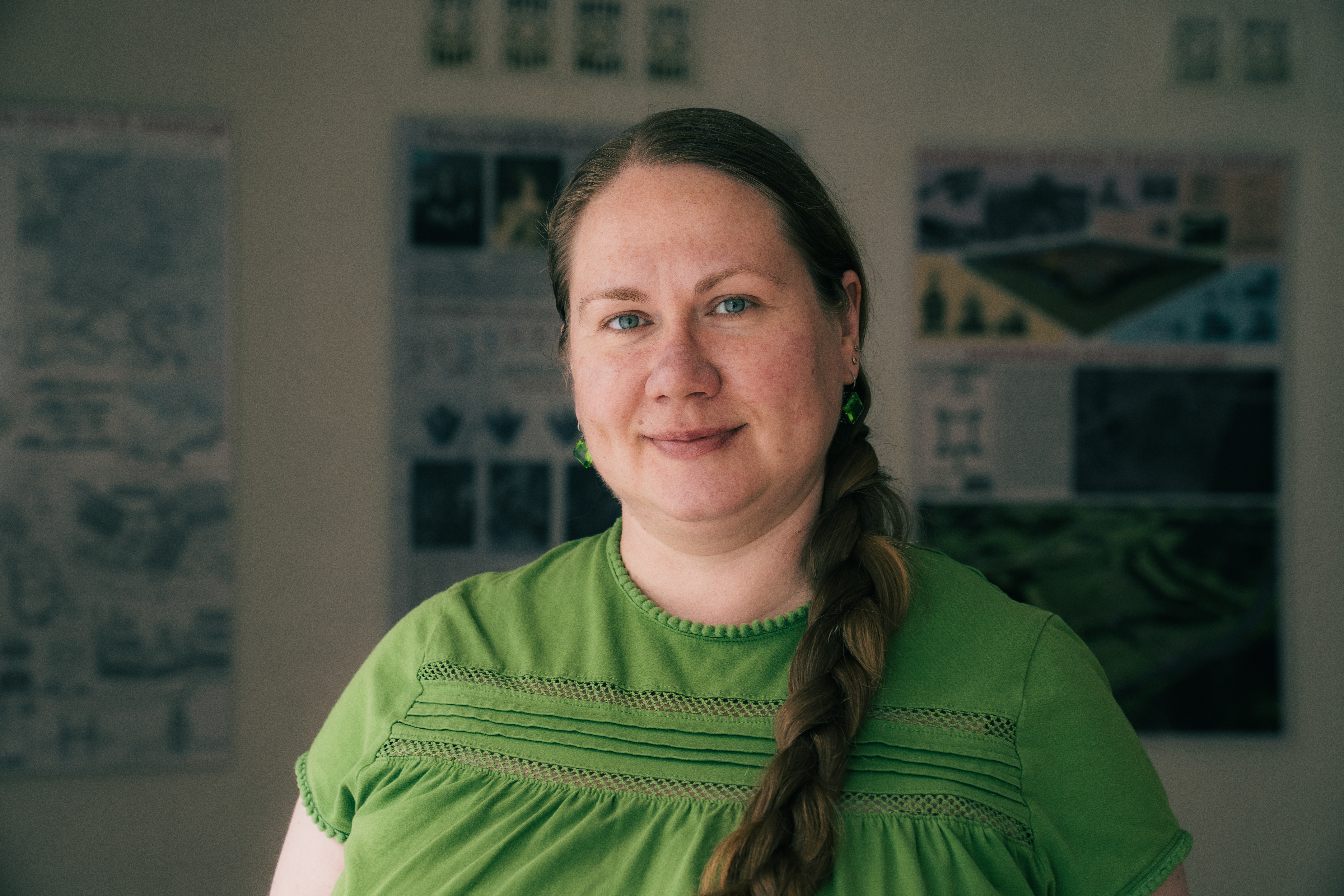
That “something” started with protecting the museum’s collection from the threat of the Russian airstrikes. The staff stripped the exhibits from the walls and packed the archival materials for storage, while some items were evacuated to the west of Ukraine.
Museum staff organized a charity market that sold handmade jewelry and painted bullet casings to raise funds for Ukrainian soldiers.
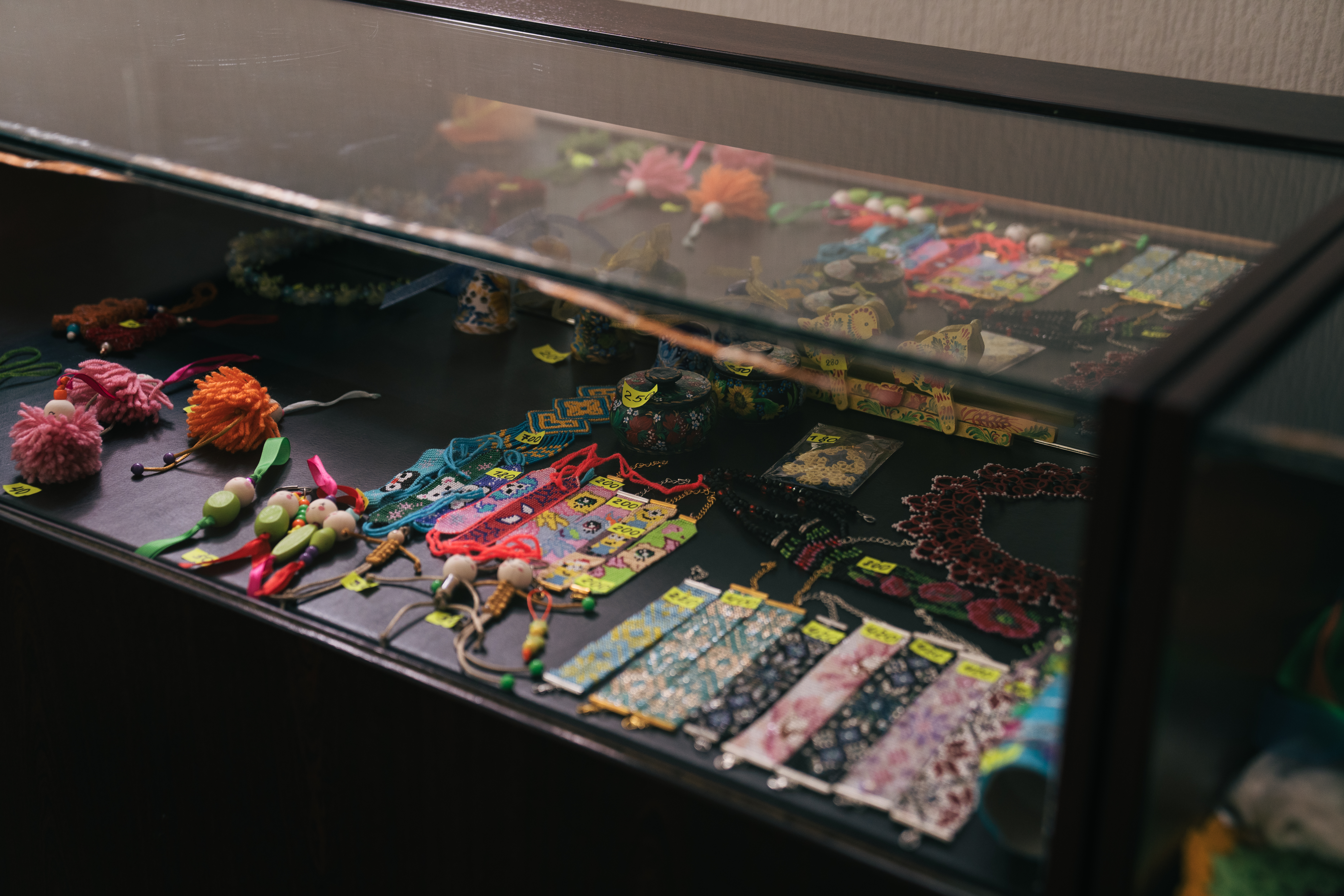
“Even children could come and treat it like a piggy bank,” Inha said. Through those small contributions, they raised over $1,560. After that, through over four and a half years of the Russia-Ukraine war, they kept working.
Inside the kindergarten
The Zlatopil Local History Museum doesn’t meet the visitors with grand classical columns. It occupies a sprawling former kindergarten building covering 720 square meters (7,750 square feet) instead. When outsiders locate the museum, they are frequently surprised by the scale of its collection.
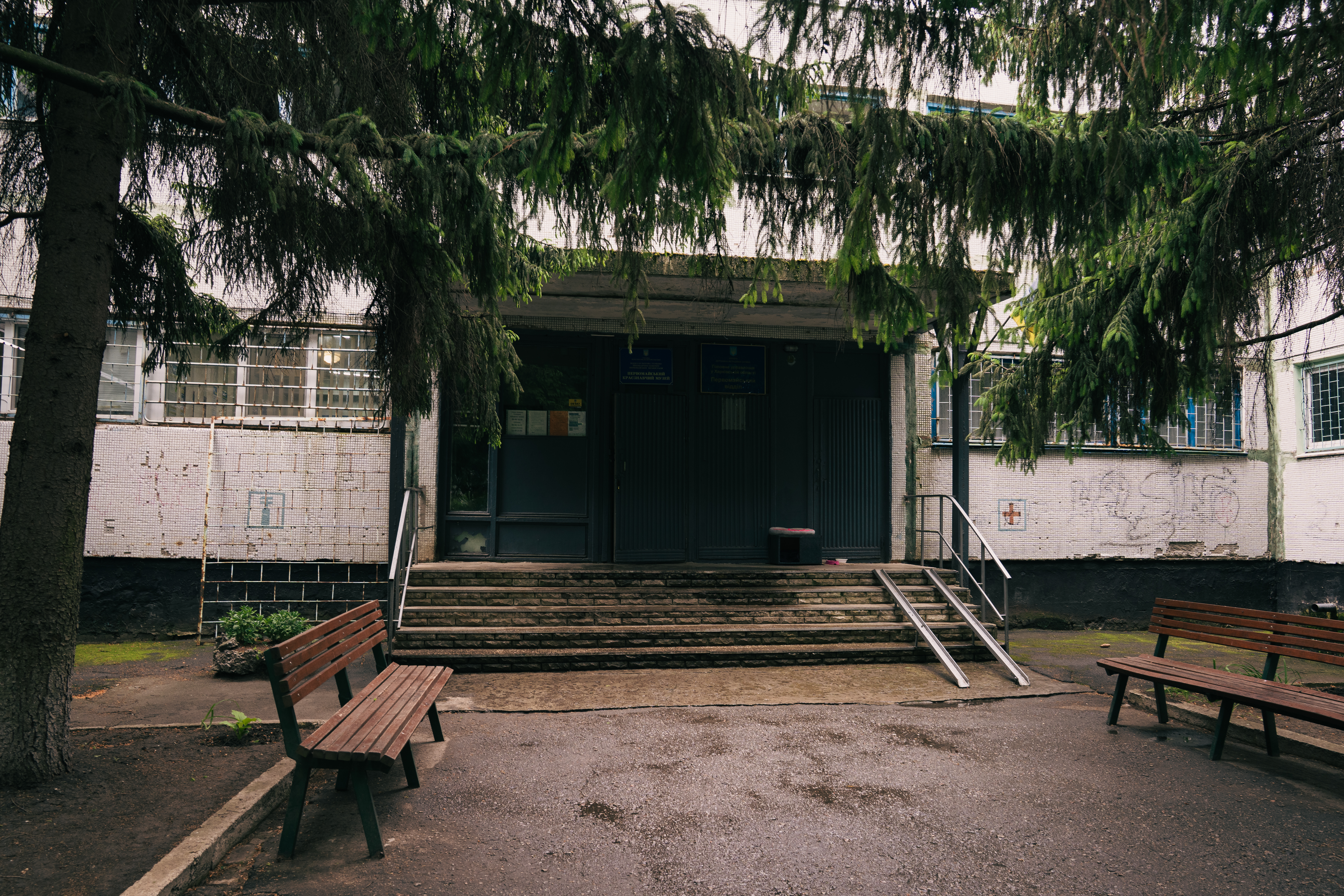
“All the other museum curators actually envy us because of our space,” Inha says with a smirk on her face. “If we were stuck in a delicate historical mansion with fragile plaster moldings, we couldn’t even breathe, let alone run interactive events. But here, we can run wild.”
Despite the small staff, the museum has strategically transformed several of its 14 rooms into spaces that keep the institution functioning as a living community hub.
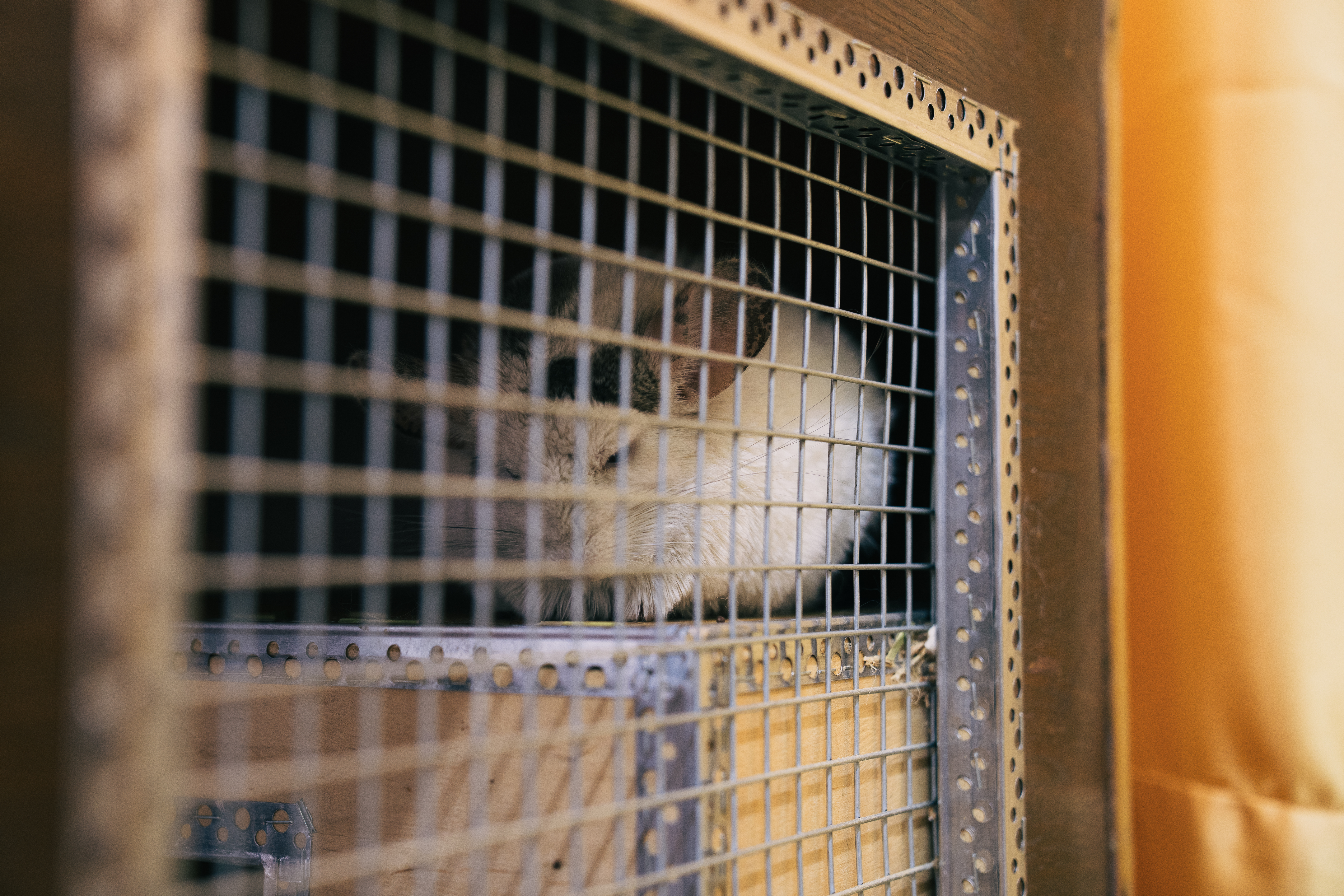
In 2023, they opened a new interactive hall in the “Dyvokrai” (“wonderland” in English) space. The room features vibrant nature photography and other exhibits, but what captures the most attention from children is a luxury chinchilla enclosure, built entirely by hand by the museum’s fund keeper, Oksana, and the guard.
Toothpick fortress
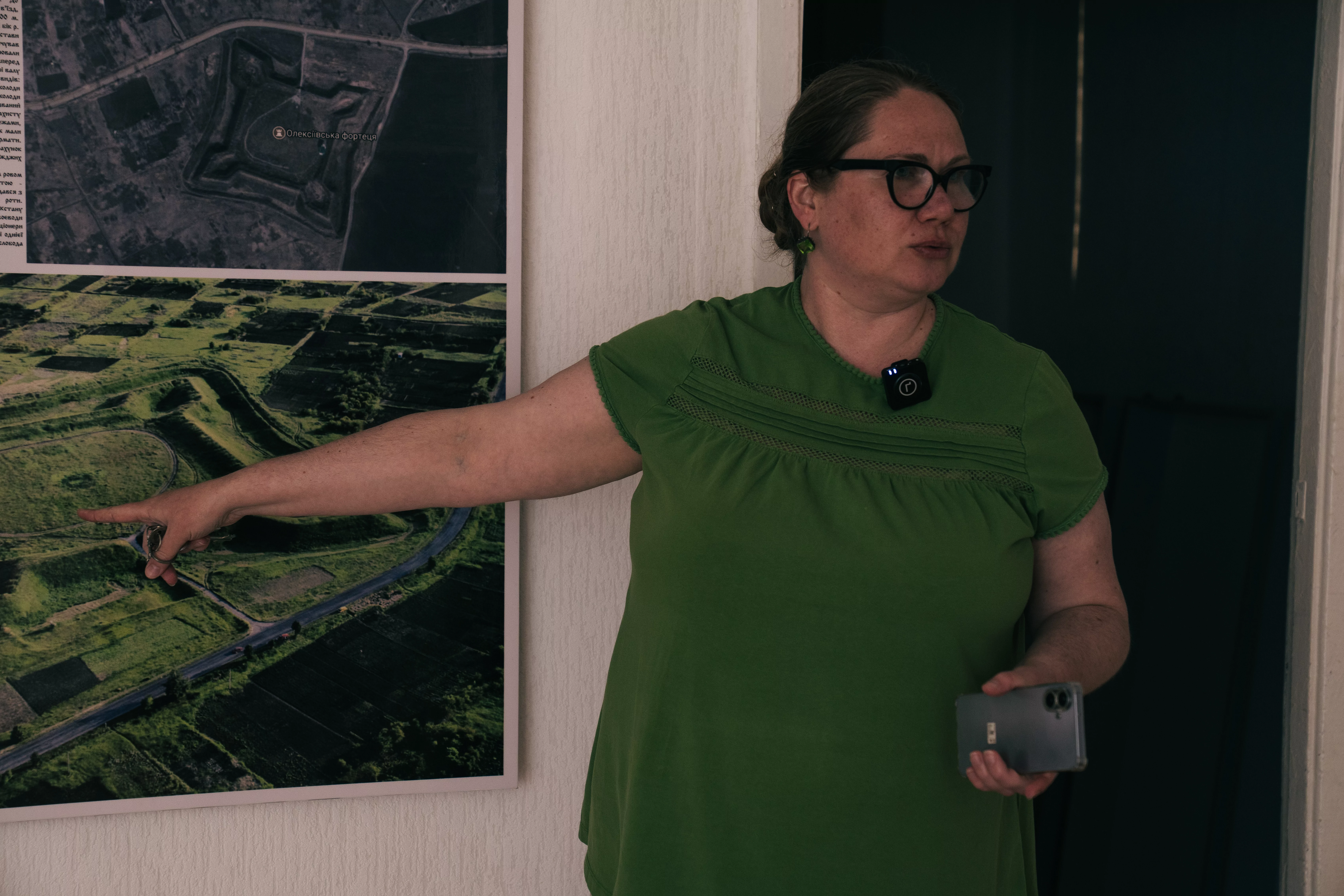
The museum has taken a grassroots approach to its exhibition on the current war. A 300-year-old earthwork fortress on the edge of Zlatopil has sustained damage from Russian shellfire, and the staff displays genuine, jagged fragments recovered directly from the historic site.
Rather than relying strictly on official sources, the museum’s collection grows through cooperation with Ukrainian military and volunteers.
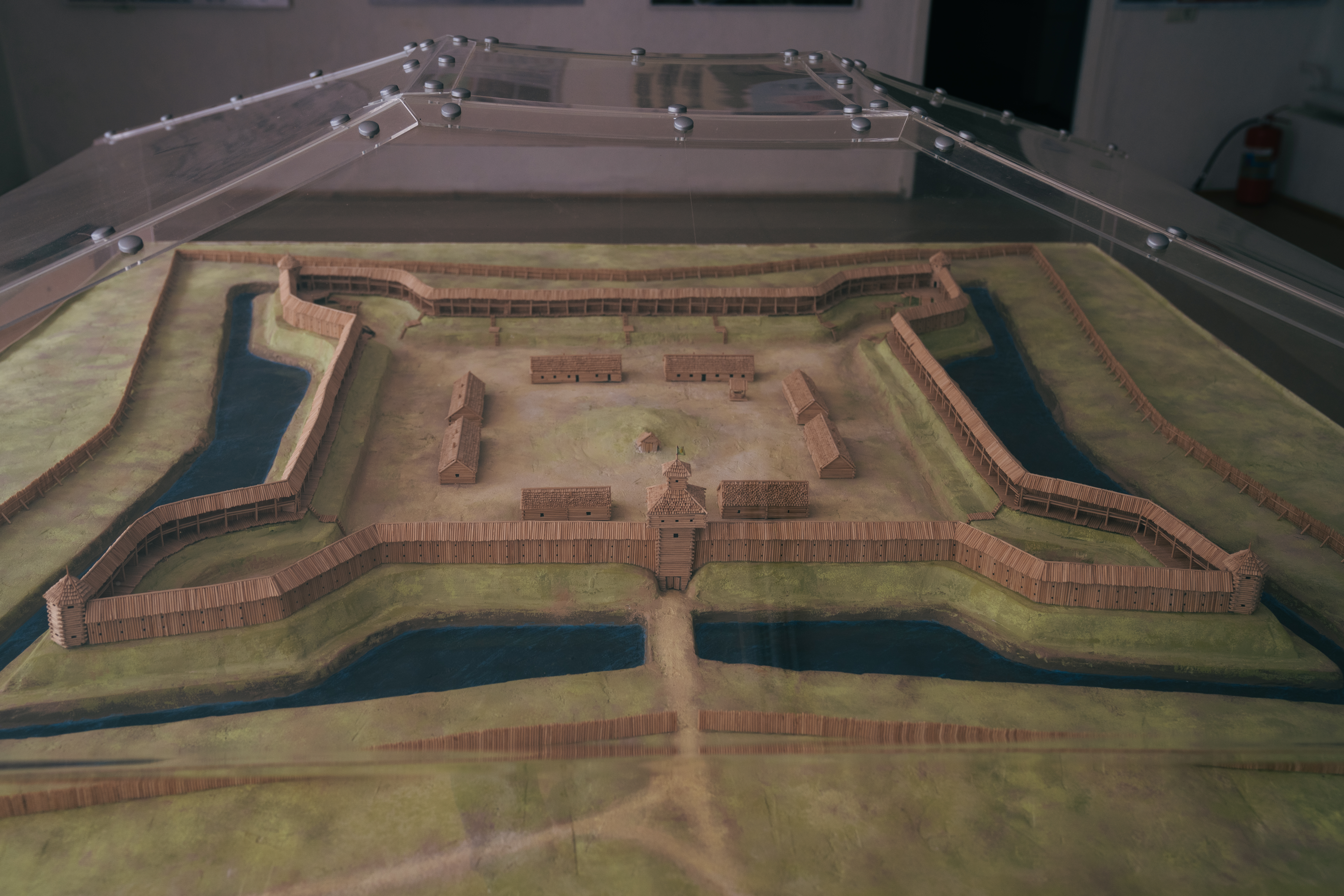
The ultimate testament to this resourceful, hands-on approach is the museum’s centerpiece: a massive, hyper-detailed architectural replica of the city’s fortress.
Building the replica had long been a dream of the museum’s former director, Maryna Lohinova, but the museum never received state funding for such an ambitious project.
Instead, the small team secured 18,000 hryvnias, about $400, through a local participatory budgeting program. “We bought glue, cardboard, and probably a million toothpicks,” Inha said with a laugh.
Liudmyla Fedorchenko, a local architect, volunteered to study archival plans and reconstruct the fortress’s complex — star-shaped defensive system.
Then came what Inha describes as “two months of hard labor” in the height of summer. For weeks, the small team hunched over display tables, cutting tiny three-millimeter cardboard shingles by hand, holding each piece perfectly still with tweezers until the glue dried.
‘Hub of heart’
For children of Zlatopil and families displaced by the war who have settled in the area, this hands-on approach has completely challenged the rigid, dusty stereotype often associated with small local history museums.
“We don’t follow the strict school curriculum here,” Inha said. Children take part in interactive games, such as wrapping themselves in long Cossack belts to learn historical dimensions intuitively.
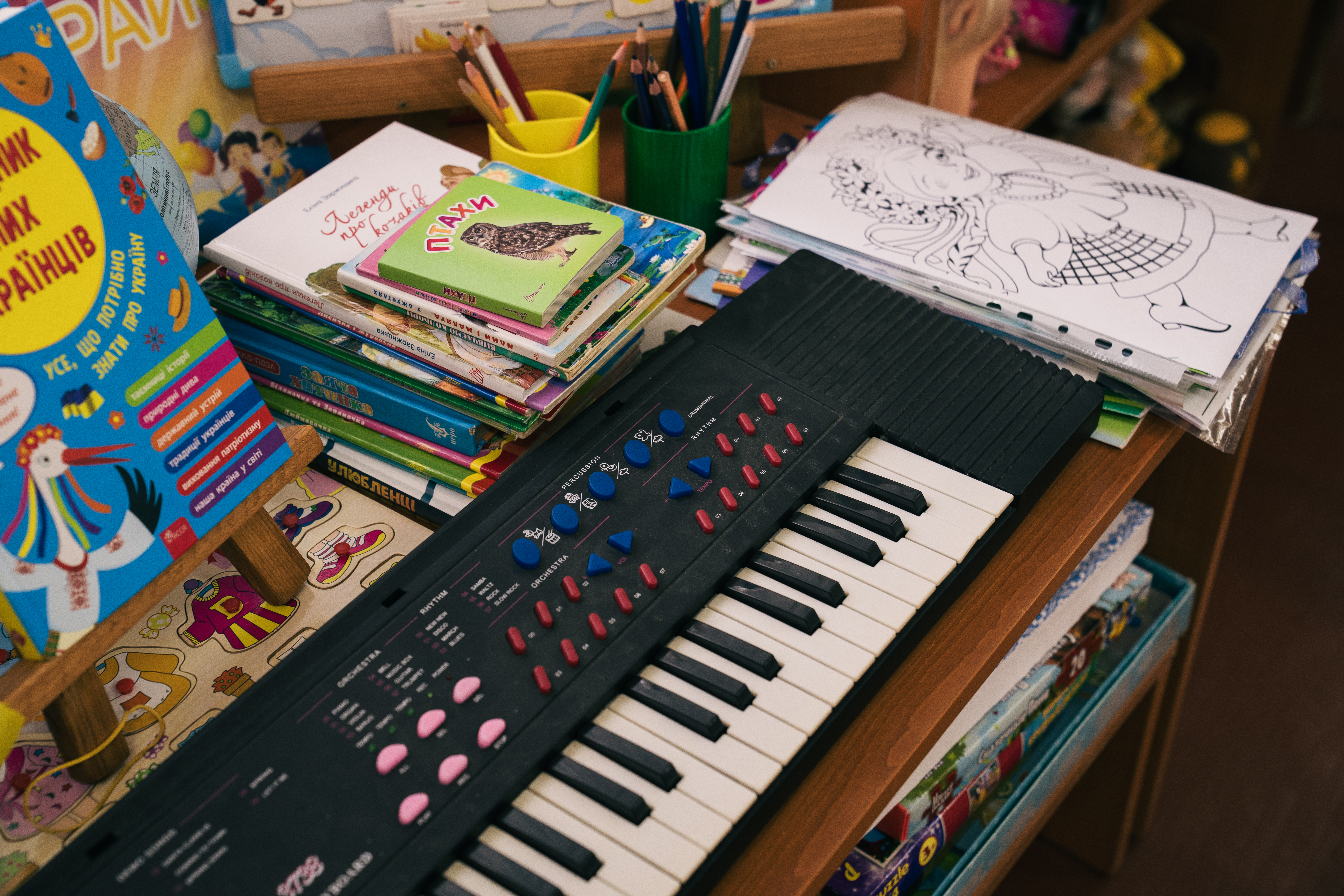
“In a classroom, learning is an obligation. Here, they sit down, there are no tests, they think they are just playing, and yet they remember everything.”
Inha proudly recalls a young boy named Heorhii who spent an afternoon at the museum, then went home, gathered his entire family and repeated the museum’s entire historical presentation nearly word-for-word.
By replacing the traditional walk-in, look-around-and-leave model, the museum has become what Inha describes as a “hub of heart”—a warm, vibrant space where local identity is something felt and lived through, rather than just observed.
Hardships of locality
But building entire historical worlds out of toothpicks and pure stamina is a romantic coping mechanism for a much harsher structural reality. Behind a vibrant and interactive workflow lies a daily battle against systemic underfunding and structural decay.
The local municipality’s budget prioritizes emergency housing repairs and utilities over culture. The physical realities of the space are punishing: a portion of the museum’s beautiful exhibition hall was recently completely flooded, shutting down their digital displays; the roof requires constant patching. Inha routinely jokes that the ceilings are falling down.
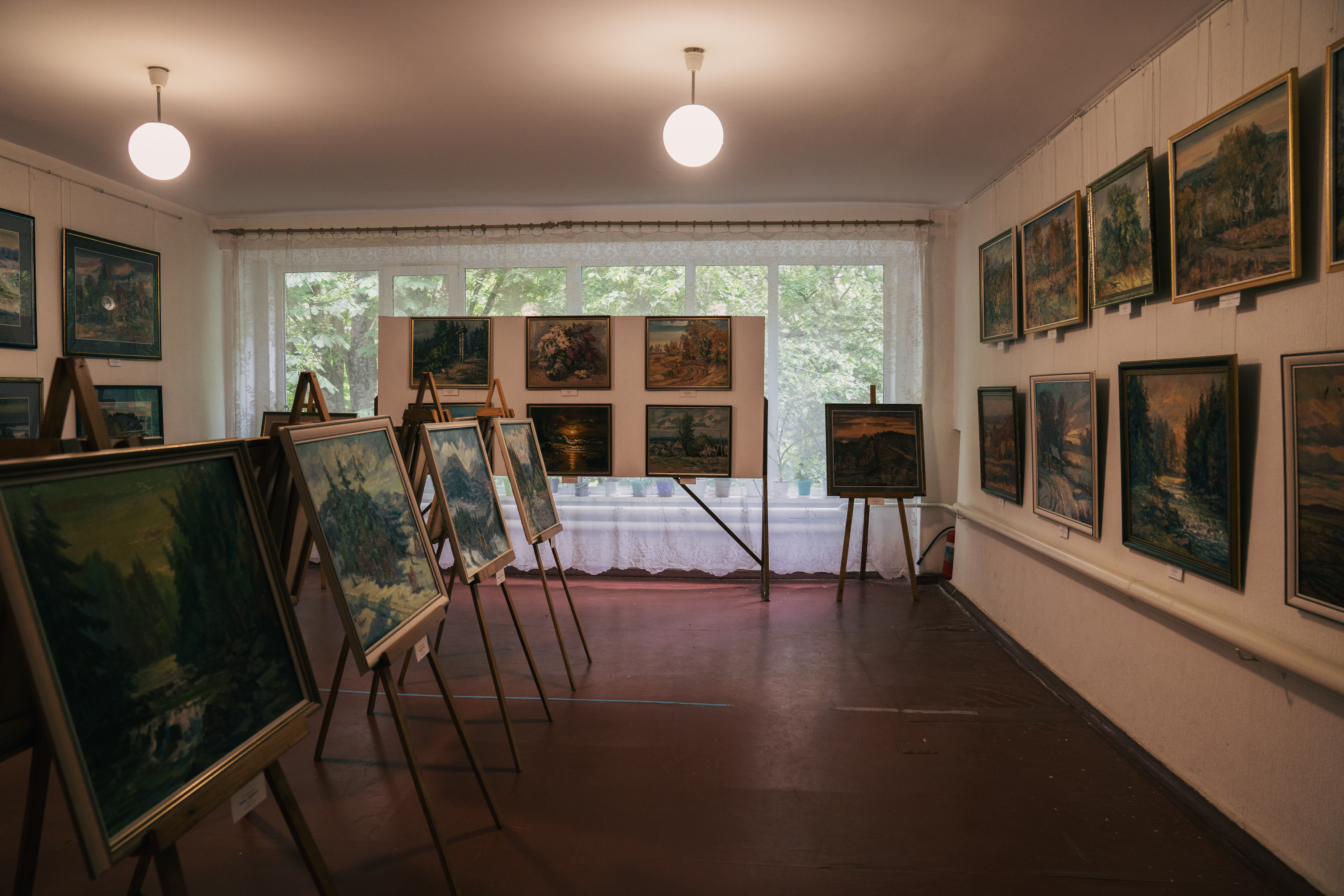
In the winter, saving on utilities means the staff deliberately chooses not to heat the rooms. Even when groups of local children arrive, they cannot turn on electric space heaters because the building’s ancient wiring threatens to fail under the load.
Dreaming of the future
When asked what Inha would do if the financial constraints miraculously vanished, she looked beyond basic repairs. She doesn’t just want to patch the leaking roof; she wants to fundamentally alter how locals experience the city’s history.
Her vision replaces static displays with interactive technology. She imagines tablets installed near the ancient earthworks to overlay the Zlatopil fortress onto the horizon, while transforming the faded exterior of the former kindergarten into a vibrant, multi-colored historical mural.
“I want audio effects, soundscapes, and holograms,” she says, imagining a digital projection of the historical Likhachov family in period dress bowing to welcome visitors at the entrance.
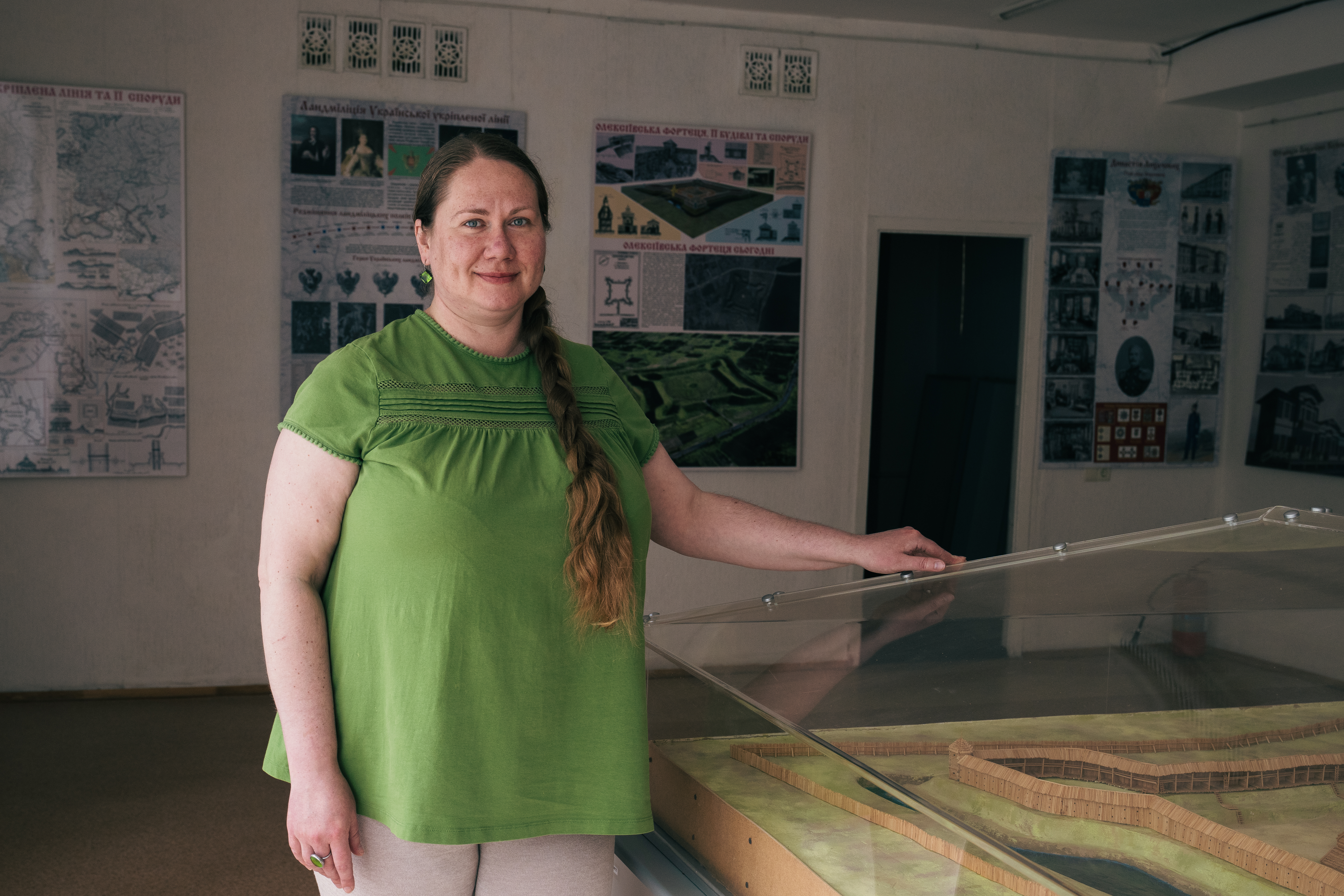
Despite the limited budget and the challenges of the upcoming winter, the museum remains an important gathering place in Zlatopil.
Working with a small team in the barge rooms of a former kindergarten, the team has shown that culturally the institution doesn’t need marble halls or generous state funding to preserve local communities’ identity.
“This isn’t a job you just show up to,” Inha says, looking across the expansive, quiet spaces of the museum. “Museum workers don’t just work here. We live here.”
Author: Matvii Suminov
Read more
- Russia hits Kharkiv with frequent FPV attacks as authorities rush to counter the threat
⛈️ Winter is coming, and, for Ukraine, it is predicted to be awful. Please support our Kharkiv-based newsroom with a $5 coffee to help us withstand whatever Russia has prepared for us.


Subscribe to news from Kharkiv, Ukraine
Most important stories from the frontline region