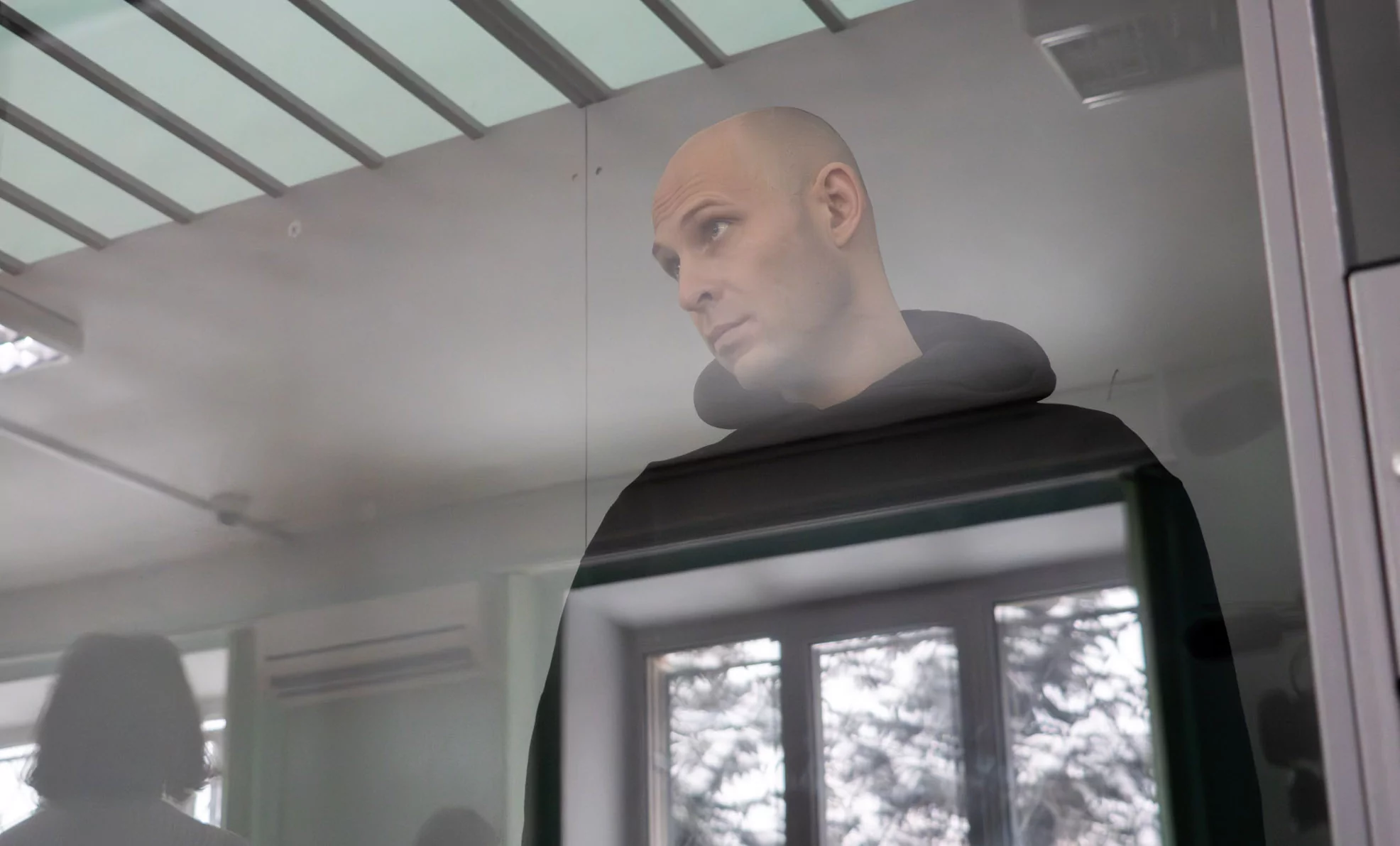
UKRAINE, KHARKIV — On Jan. 13, one of Kharkiv courts sentenced to life imprisonment Russian soldier Sergey Tuzhilov, who killed a Ukrainian prisoner of war (POW) at an aggregate plant in Vovchansk and was involved in the murder of two other Ukrainian soldiers. Our journalist Daria Levchenko attended this and other court hearings in the case.
Vovchansk is a city located in the north of the Kharkiv oblast, 5 kilometers (3 miles) from the Russian border. The Vovchansk aggregate plant stands in the city center. When Russia seized the city in 2022, the plant became the largest torture facility in the occupied territories in the Kharkiv region.
Ukrainian forces deoccupied Vovchansk during the Kharkiv counteroffensive, but fighting returned there with the Russian second offensive in the north of the region, launched in the spring of 2024. As for now, DeepState OSINT war monitoring group indicates this territory as controlled by the Russian army.
It was in June 2024 that Sergey Tuzhilov, a commander of the grenade launcher squad in the 69th Guards Motor Rifle Division of the Russian army with a call sign Altai, crossed the northern Ukrainian border. He, along with 28 other soldiers, entered Vovchansk. They came under attack and hid within the Vovchansk aggregate plant, where the other Russian soldiers were located.
Investigation established that, around Jun. 15-16, a group of Russian soldiers captured a Ukrainian soldier.
Tuzhilov said that later, the commander ordered him and another soldier with the call sign Kot (“cat” in translation from Russian — ed.) to execute the prisoner. Tuzhilov accompanied him to the place of execution. Kot killed the man with a shot to the head.
On Jul. 1-2, two more Ukrainian soldiers were captured. Tuzhilov said that he personally interrogated one of them.
The next day, according to the prosecution, Tuzhilov’s commander, with the call sign Krasavchik (“pretty boy/man” in translation from Russian), ordered him to kill the prisoners. The defendant and Kot killed the two and left the bodies in one of the rooms at the aggregate plant.
Later, the Ukrainian military captured Tuzhilov. According to him, most of the soldiers involved in the killings of Ukrainian prisoners at the aggregate plant were killed during combat.
The Prosecutor’s Office accused Tuzhilov of assisting in the cruel treatment of POWs, combined with murder by prior conspiracy, as well as intentional murder.
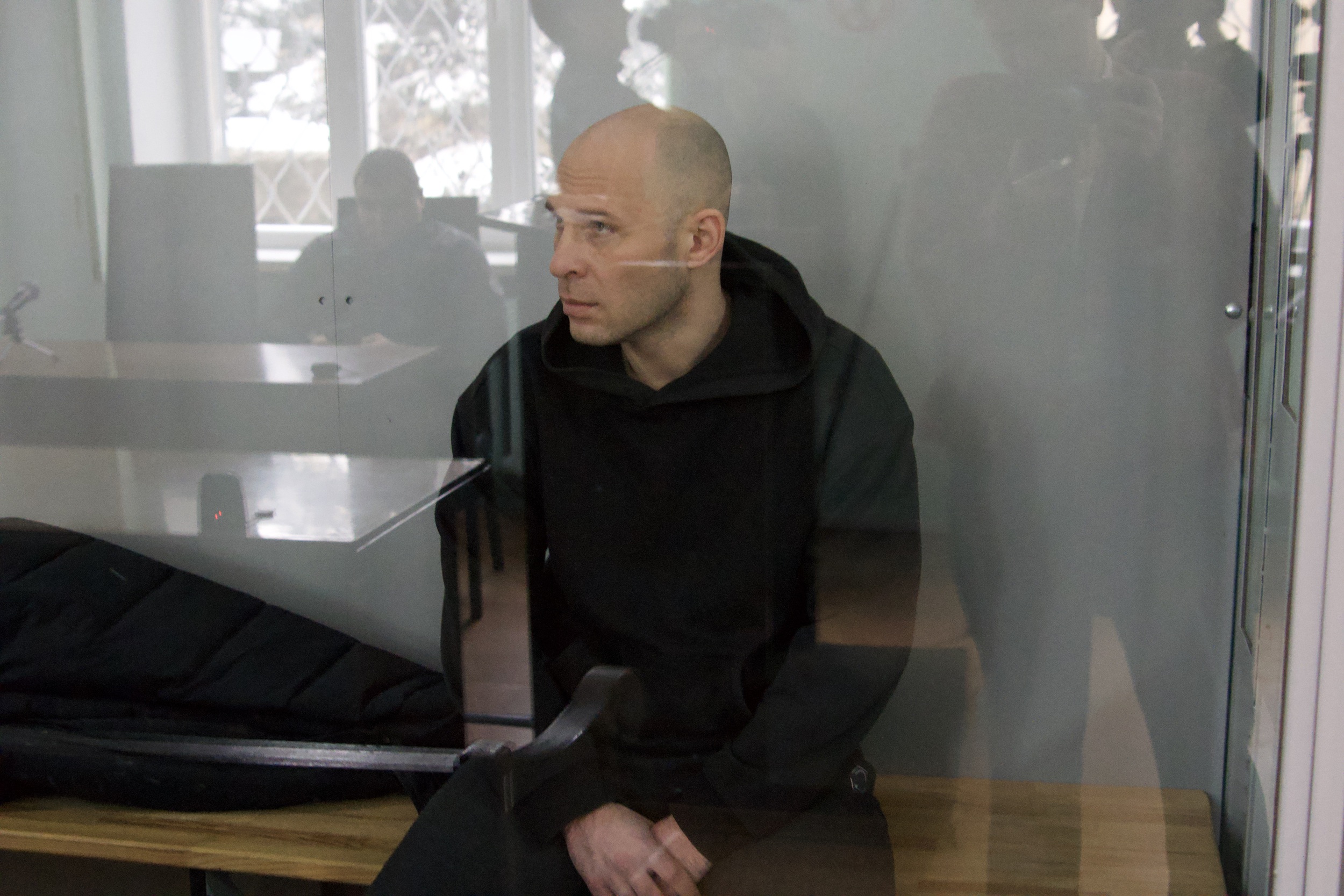
In June 2025, the Security Service of Ukraine reported suspicion of Tuzhilov.
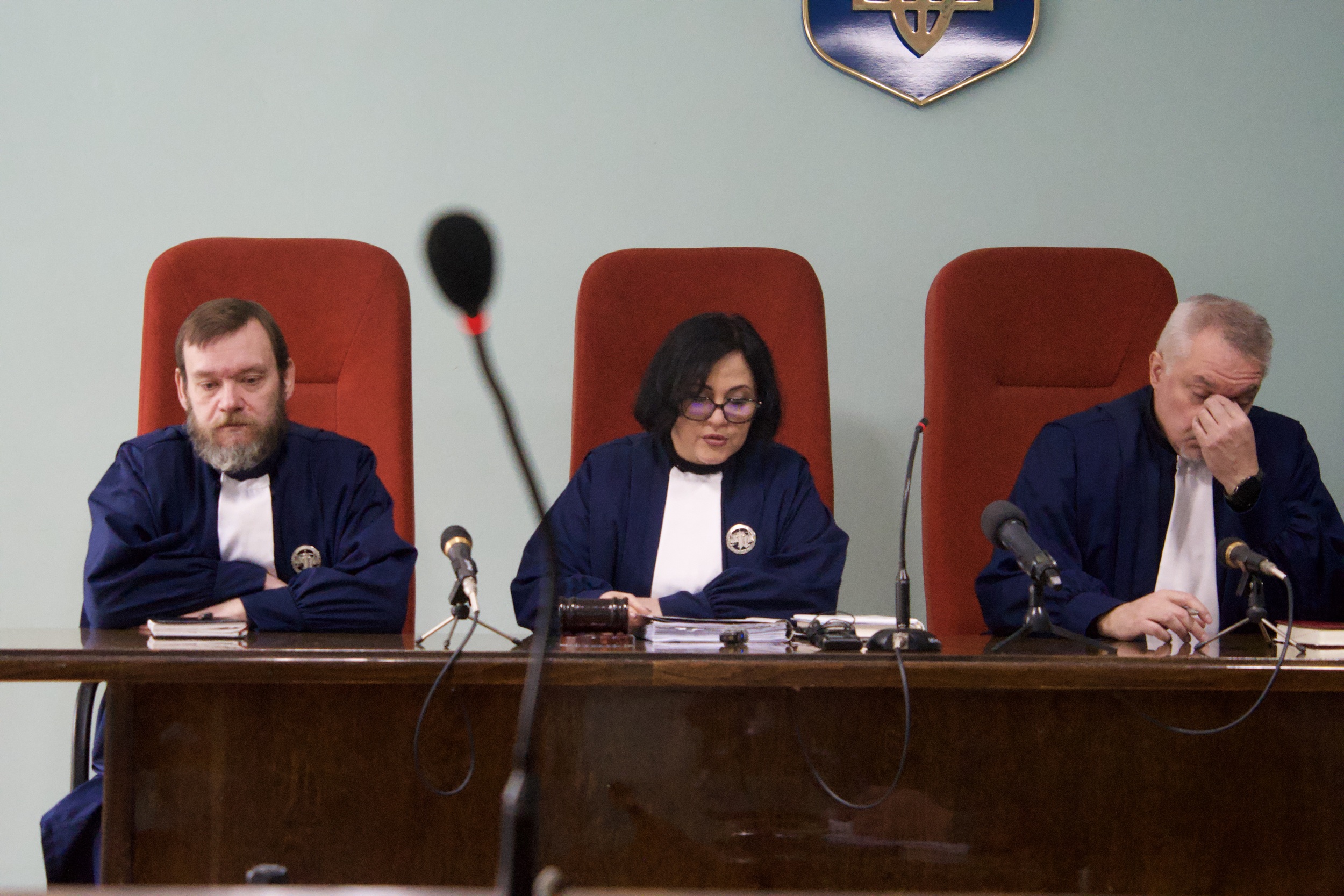
The trial was heard in a closed court. As prosecutor Mykyta Daloka explained to the Media Initiative for Human Rights, some of the evidence presented in hearings could potentially damage Ukraine’s defense capabilities, like video footage from drones. Testimonies of witnesses, including those of Russian POWs who agreed to testify, also had to be protected. The debates and sentencing were made public because of the high public interest in the case.
One of the hearings took place on Nov. 4, during which Tuzhilov confirmed to journalists that he had killed Ukrainian prisoners of war.
“I didn’t give orders. I killed Ukrainian soldiers who surrendered because it was an order. I don’t feel anything good about it,” he said.
He also claimed that he did not kill civilians “in this war.”
On Dec. 25, during the next open hearing, the prosecution demanded life imprisonment for the Russian soldier. His lawyer requested that the judges consider Tuzhilov’s cooperation with the investigation and his guilty plea and reduce the sentence to 15 years’ imprisonment.
Relatives of the killed Ukrainian soldiers have filed civil lawsuits seeking 51 million hryvnas ($1,2 million) in compensation from Tuzhilov, said Tamila Bespala, a representative of the families.
According to Bespala, during one of the court hearings, Tuzhilov asked why compensation would be sought from him and said that Ukrainians were also to blame for what was happening because they were also shooting.
“My clients’ relatives didn’t go into the foreign territory. I didn’t sleep at night thinking about those words of his. Some of the killed didn’t even have military experience. Their lives were taken from them, and they were protecting their families, their land. Their land,” Bespala said.
In response to that, in his closing statement, Tuzhilov said, “I followed the order. No matter how difficult it was. In a different situation, I probably wouldn’t have carried it out. The victims’ defendant said that people are only defending their land and nothing else. I don’t want to argue, but Ukrainian troops also entered Russian territory. So we are not that different. We entered first, you entered second. Civilians are being killed on both sides. No one wins from this. That’s why I believe that peace is needed.”
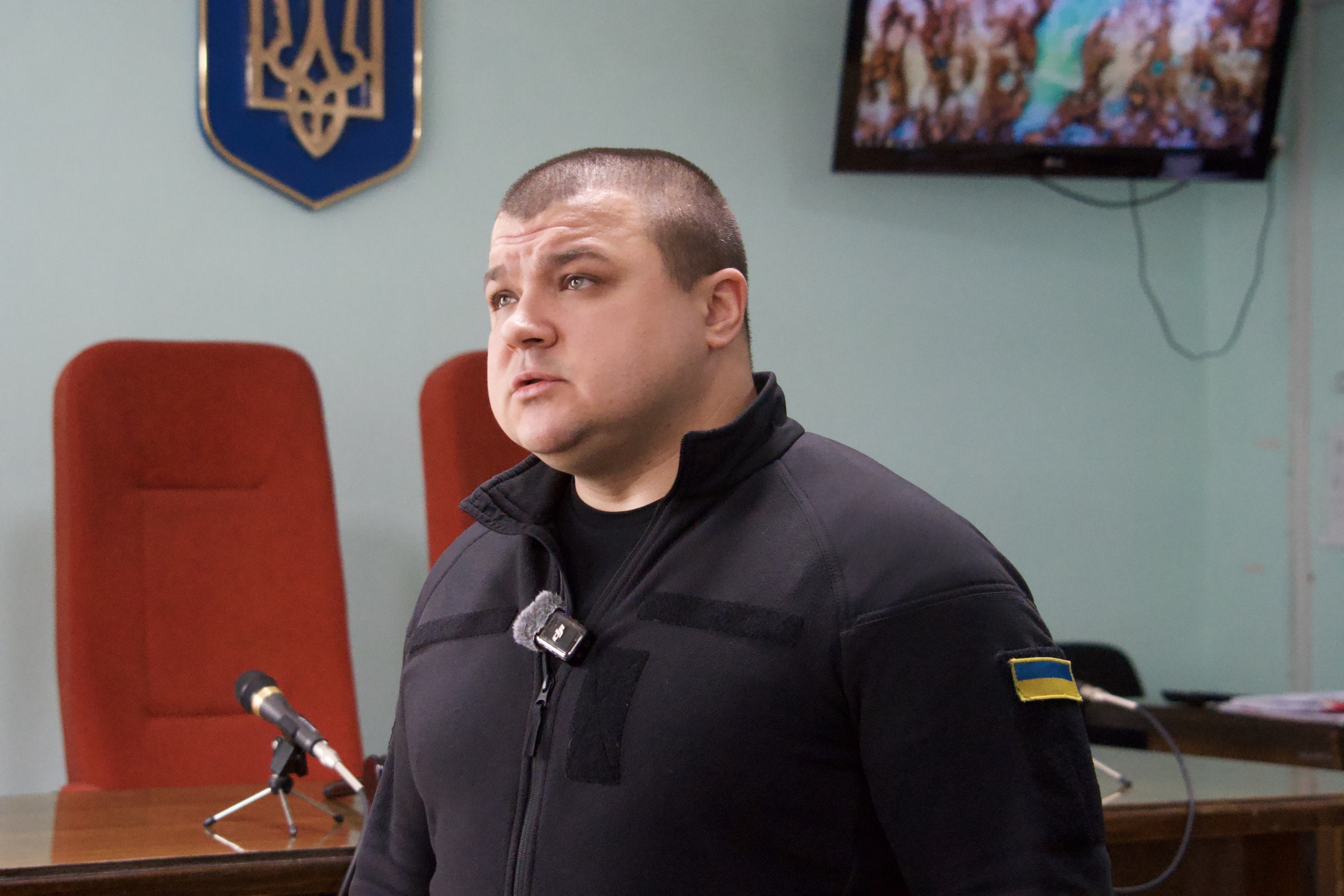
Prosecutor Daloka said that the defendant is counting on being exchanged in one of the future POW swaps between Russia and Ukraine. Information about him has been forwarded to the Coordination Headquarters for the Treatment of Prisoners of War.
On Jan. 13, Tuzhilov was found guilty of cruel treatment of prisoners of war, combined with intentional murders committed by a group of people via prior conspiracy. He was sentenced to life imprisonment.
During the final hearing, Tuzhilov admitted his guilt once again. The Russian soldier also said that he had participated in combat in Syria and Ossetia (a territory of Georgia that Russia invaded and annexed in 2008). He added that in 2014, he had entered the territory of the Autonomous Republic of Crimea, though he claimed he hadn’t participated in combat there.
Currently, the court has imposed a preventive measure — detention — until the verdict for Tuzhilov comes into force. Along with his defense team, he may file an appeal within the next 30 days. According to Tuzhilov, he does not plan to do so.
The court also partially satisfied the civil claims of the victims and relatives of the killed Ukrainian soldiers. Tuzhilov must pay two million hryvnas ($46,000) to each of the seven people.
Tuzhilov refused to comment on the verdict.
It is the second case in Ukraine of a Russian soldier being tried in person for the shooting of POWs — and the first such case put to court in Kharkiv. Another verdict was handed down in the Zaporizhzhia region. Russian soldier Dmitry Kurashov was sentenced to life imprisonment for shooting Ukrainian prisoner of war Vitalii Hodniuk.
Read more
- Russian forces use fiber optic FPV drone to kill Kharkiv volunteer during evacuation in Donetsk region
Hello! My name is Elza, and I am a Gwara Media reporter. Two years ago, we wrote about the Vovchansk aggregate plant and the Russian torture that Ukrainian POWs went through there in 2022. My other colleague, Daria Levchenko, attended every open hearing in the Tuzhilov case, and it was important for me to tell you about this case from 2024, too. Please consider supporting our newsroom with a one-time tip or become a member of our community.


Subscribe to news from Kharkiv, Ukraine
Most important stories from the frontline region