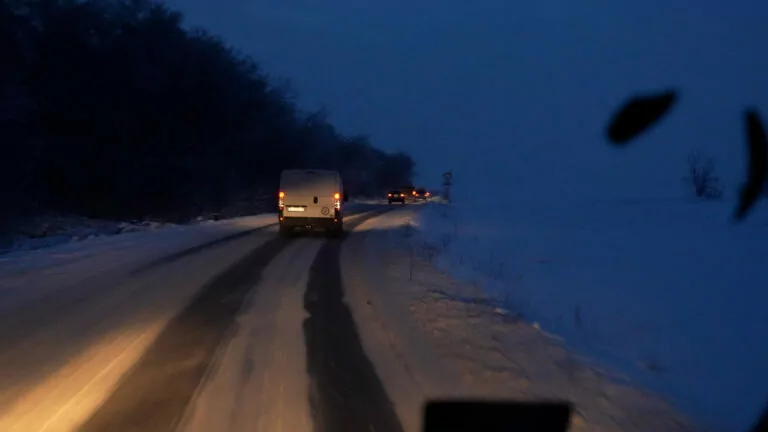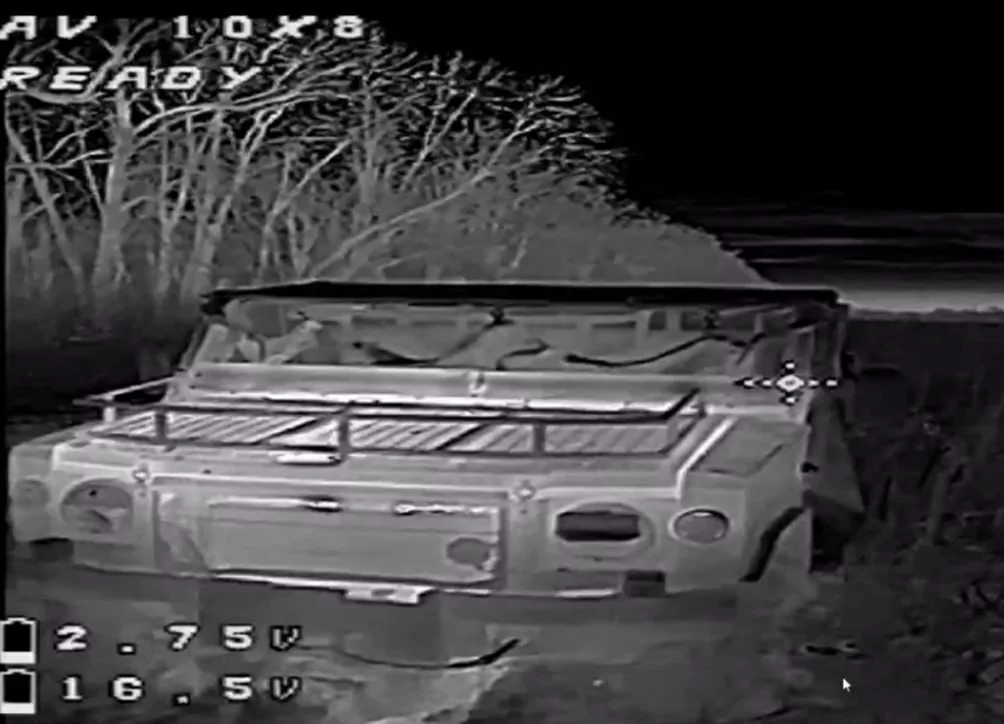
UKRAINE, KHARKIV OBLAST, Apr. 3 — Ukrainian drone operators from the 159th Mechanized Brigade destroyed Russian Ulan all-terrain vehicles near Voznesivka village in the Belgorod oblast, Russia, said the 16th Army Corps to ArmyInform.
Voznesivka is a village in the Belgorod oblast located 7 kilometers (4.3 miles) from the Russia-Ukraine border. From this settlement, a Russian Ulan all-terrain vehicle transported personnel to Marino village, located right on the border, for further advances along the Vovchansk axis.
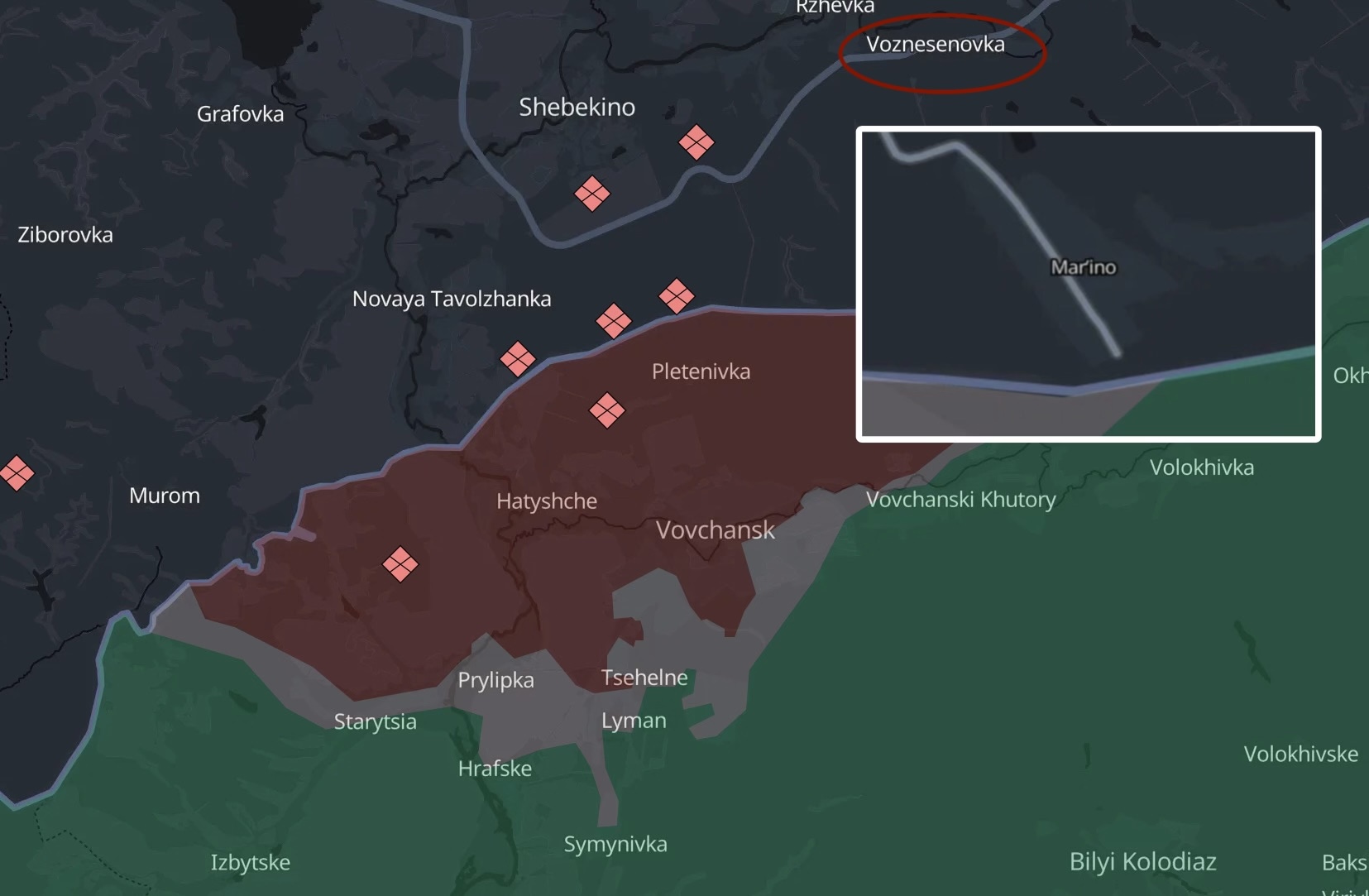
The 16th Army Corps said that a Ukrainian attack killed one and injured three Russian soldiers. They noted that it is the first case of Ukraine hitting all-terrain vehicles like this.
“The Ulan is a Russian attempt to create an ultra-light tactical all-terrain vehicle (a buggy) based on mass-produced civilian cars,” said the 16th Army Corps.
The Ulan is built on the chassis of the domestic Russian Lada Niva car. It features a 1.7-liter engine, a five-speed manual transmission, and all-wheel drive. It looks like a regular Niva with its body cut off, leaving only the tubular frame.
Ulan has a maximum speed of 85 kilometers per hour (~53 miles per hour), up to 320 kilometers (~199 miles) range, 620 kilograms (1,367 pounds) weight, and 600 kilograms (1,323 pounds) payload.
The 16th Army Corps said that the main advantage of this all-terrain vehicle is that Russians can find Niva parts at any garage or store. Ulan also has quite good off-road performance.
But the tubular frame is very weak, and if the vehicle rolls over, it collapses, trapping everyone inside — Ulan lacks any form of protection or armor.
“The Russians themselves call them ‘disposable’ because any hit by an FPV drone completely destroys the vehicle along with its crew,” said the 16th Army Corps.
Read more
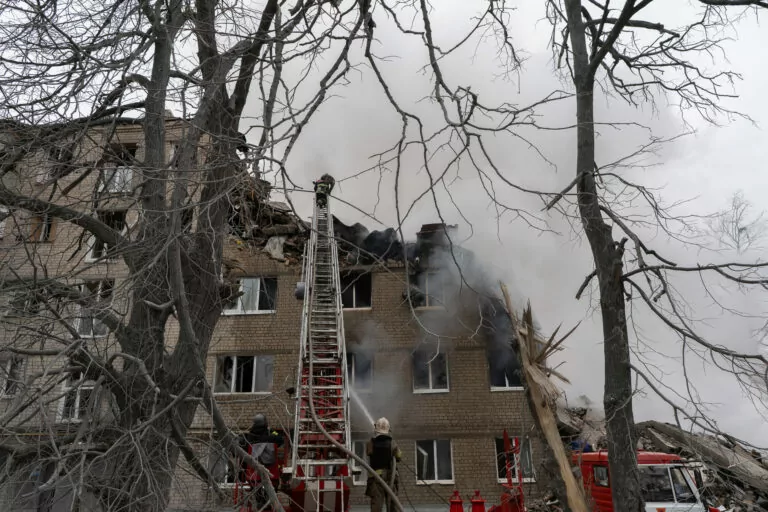
- Russia used jet-powered drone, manufactured in March, to attack Chuhuiv apartment building on April 1
⚡ The fifth year of the Russian full-scale invasion started, so it’s been four years since most of us here at our Kharkiv-based newsroom became war reporters. Please consider supporting our journalism via a one-time donation — or join our community.


Subscribe to news from Kharkiv, Ukraine
Most important stories from the frontline region