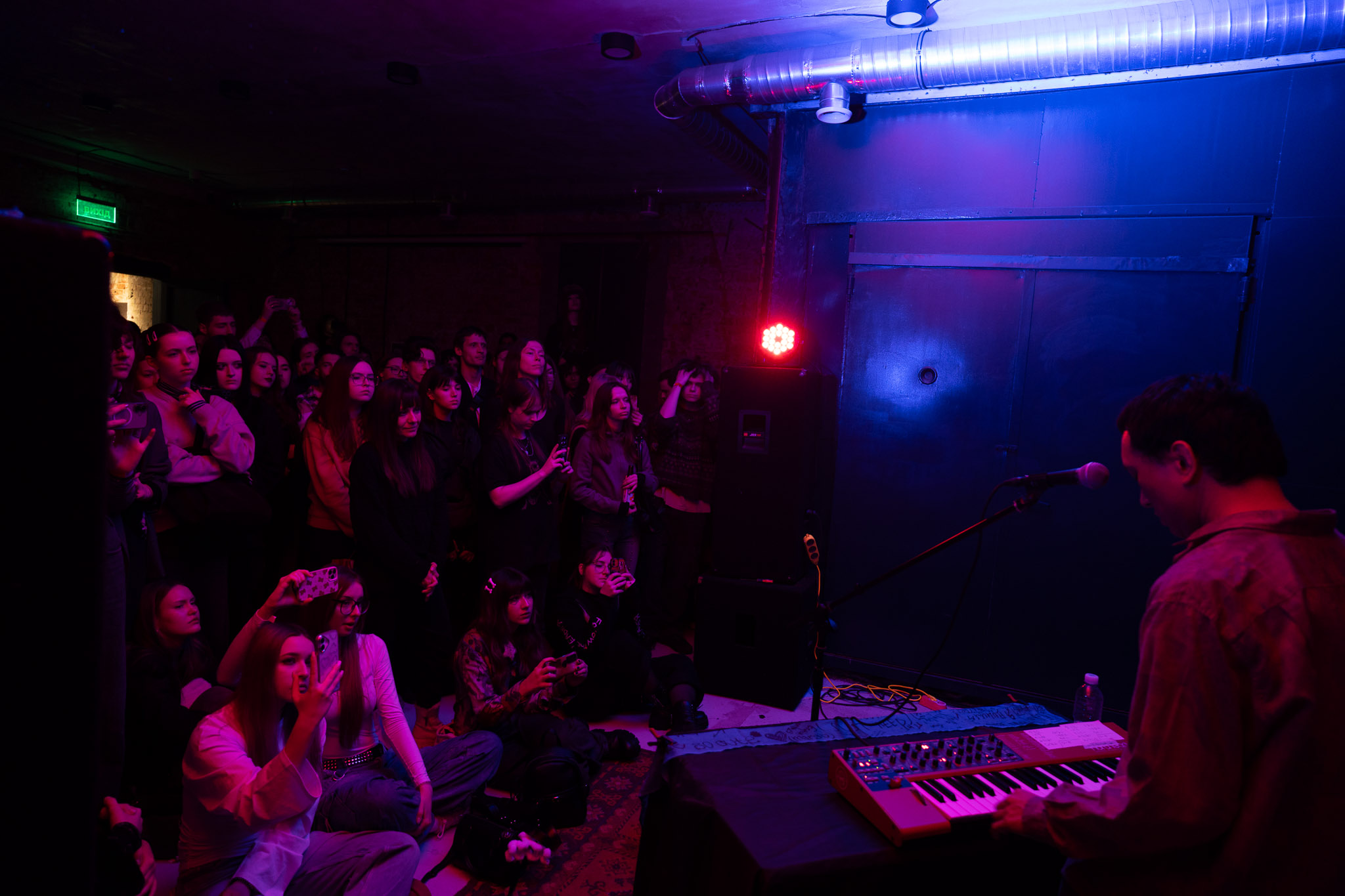
UKRAINE, KHARKIV — People I’m talking to about heavenphetamine’s music at the Druk venue in the old center of Kharkiv are, in general, of three types: hardcore fans of the band, friends of hardcore fans, and people who were seduced by a Kontrabas concert agency’s well-designed poster for tonight’s show.
Lera and Vlada, both 26, are of the latter type: both of them enjoyed the atmosphere at the gig and bought merch to “not forget the band name” and later “look their lyrics up”. With four years of full-scale war and pandemic behind them, it is the first time they have come to listen to the performance of artists from abroad in Kharkiv. I can relate, just a little: I think it’s the first gig I’ve been to in four years.
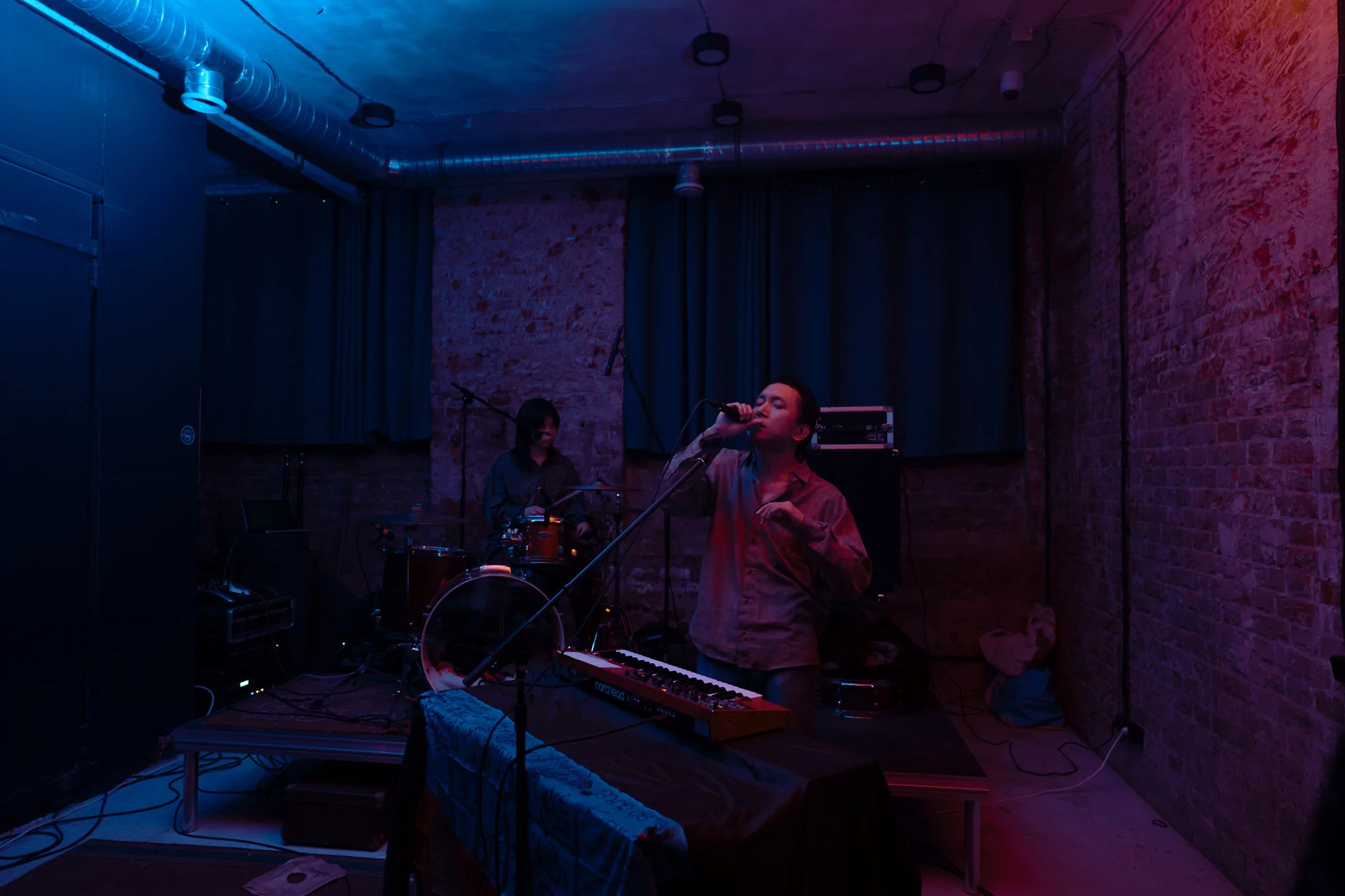
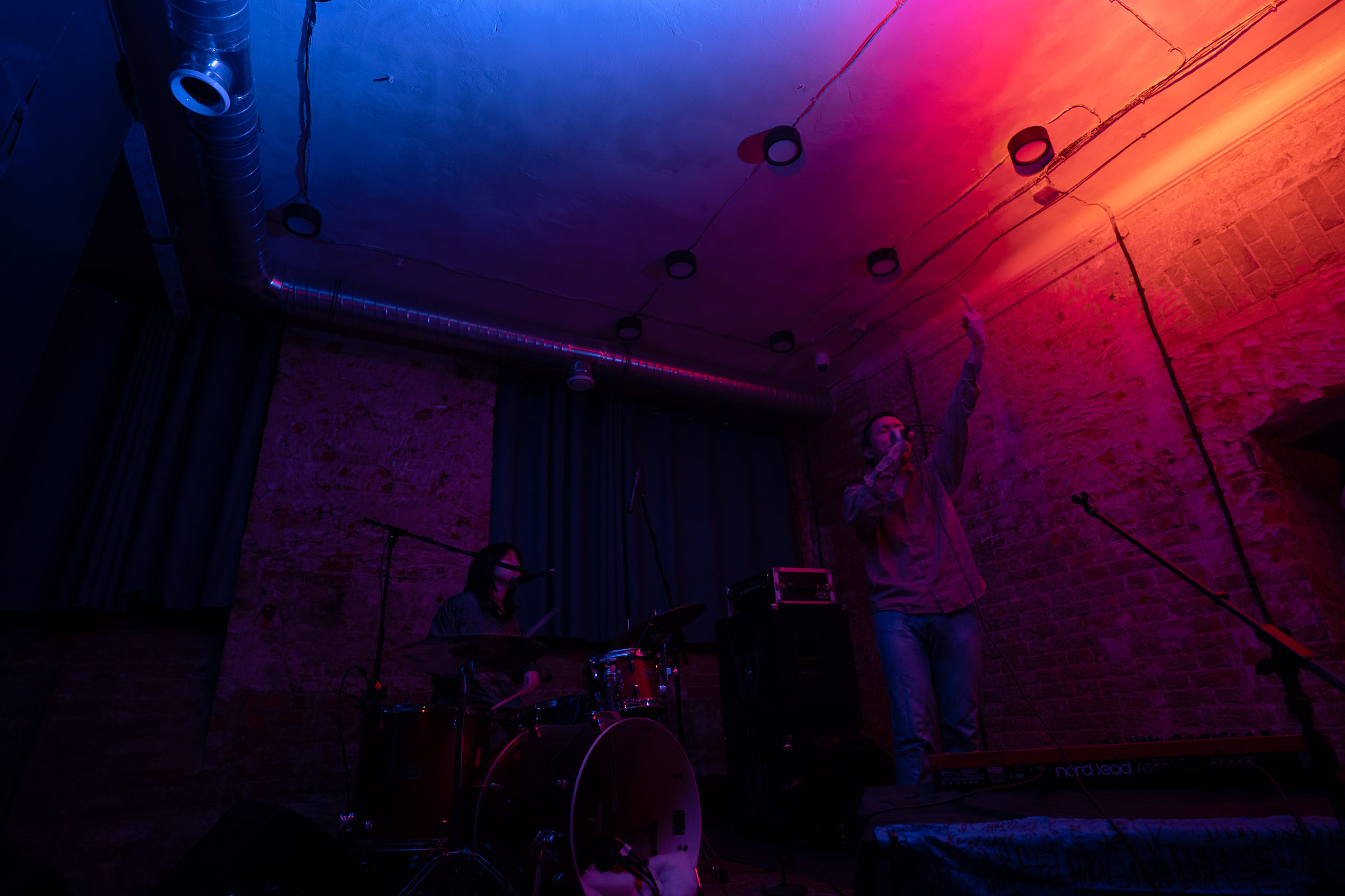
The dancehall is illuminated with pink, red, and blue LED strips, and the space leading up to the stage is warm and filled with people. Sara Oda’s quick, steady hands are working her magic upon the drums. Hiroki Oda handles synthesiser and its complicated acid-jazzy, post-punk loops. Both of them sing, but most of the melodies follow Hiroki’s voice.
Another first-time visitor, Nastya, 22 — prompted to come by her friends — says the music is “like lying in shavasana” (resting pose in yoga — ed.). She later tells me, “When I came here, I felt as if I arrived at my birthday party when everyone’s already gathered at the table. I understood it was going to be a vibe.”
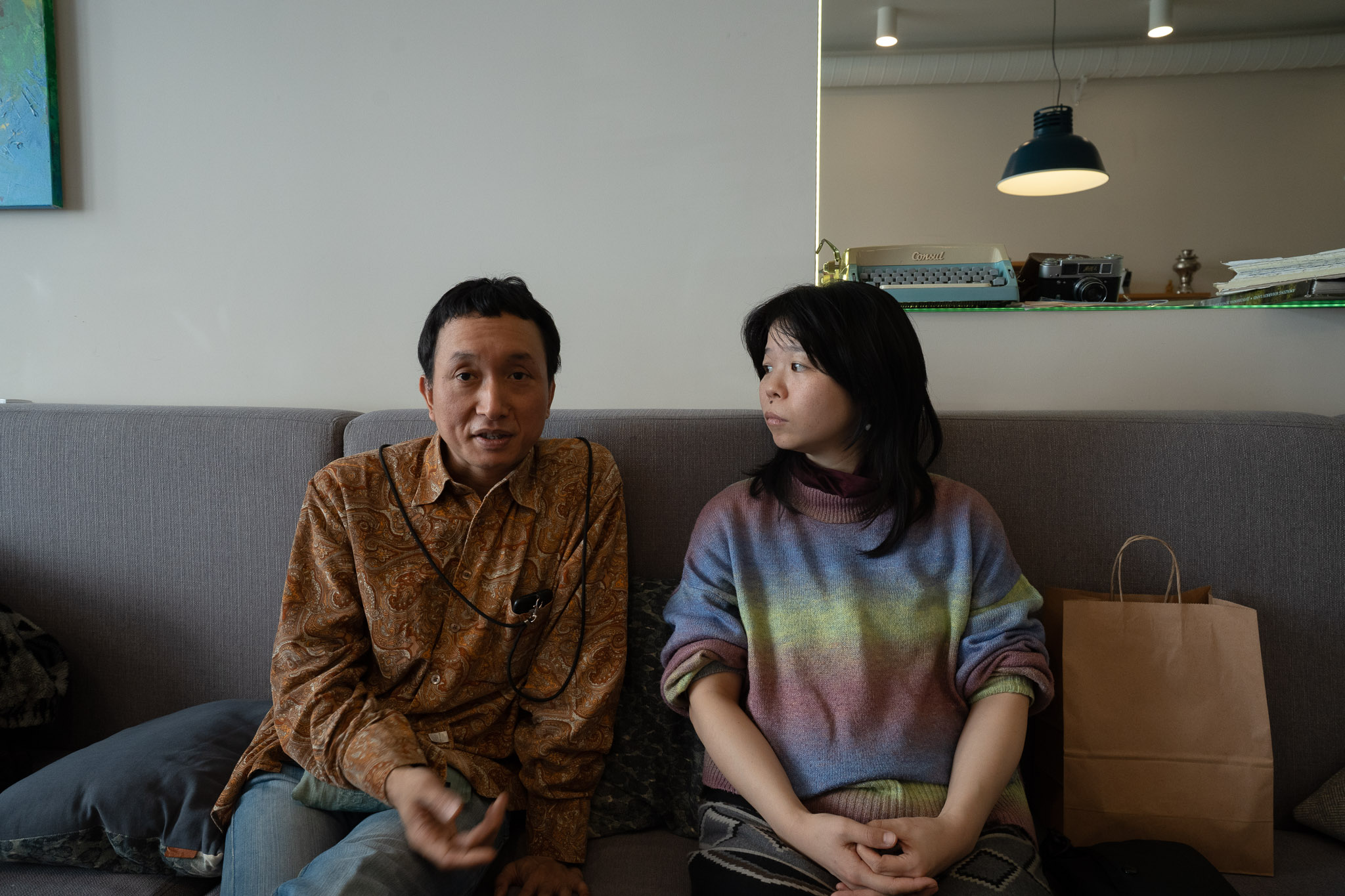
I plan to meet with Hiroki and Sara the day after the concert in a popular Kharkiv cafe that brews good coffee and refuses to turn off the music. ASAP production’s film crew, along with Alem Kent, one of the INOICHI directors, makes peace with the fact that they can’t record much dialogue here. The music will make it impossible to mix the sound properly. Instead, they order hot drinks.
INOICHI translates to “life” from Japanese. It is a documentary that plans to answer the question of why people gather for music in wartime Ukraine. Megumi Lim, another director, said Hiroki reached out to her to make a road movie of their 2026 tour here.
Megumi wrote, “Their friends in Ukraine invited them to tour at this time, simply because…living isn’t just about surviving but being able to create even in difficult times, against all odds.”
I know heavenphetamine recorded their first album, The Sun on A Winter Day, in the Ukrainian winter of 2022-2023, and they have lived in and been part of local scenes here ever since. So I wonder how that experience changed them and their music.
When they arrive, they speak of Ihor, a friendly bartender they’ve met in Kazka Bar the first time they performed in Kharkiv in 2021.
“Ihor didn’t speak English very well, but we remembered his face and his smile.”
In 2025, Hiroki and Sara saw a post on Instagram about Ihor’s death as a soldier. It was the first time they lost someone because of war.
“We had just a small conversation, but somehow, we remember him very well. It was shocking. And it’s inspired music for sure. I cannot explain how exactly in language… but I wrote a song about Ihor.”
Sara sends me the translation of Chikai. Its lyrics say, When people steal / tomorrow from people / we have to end it.
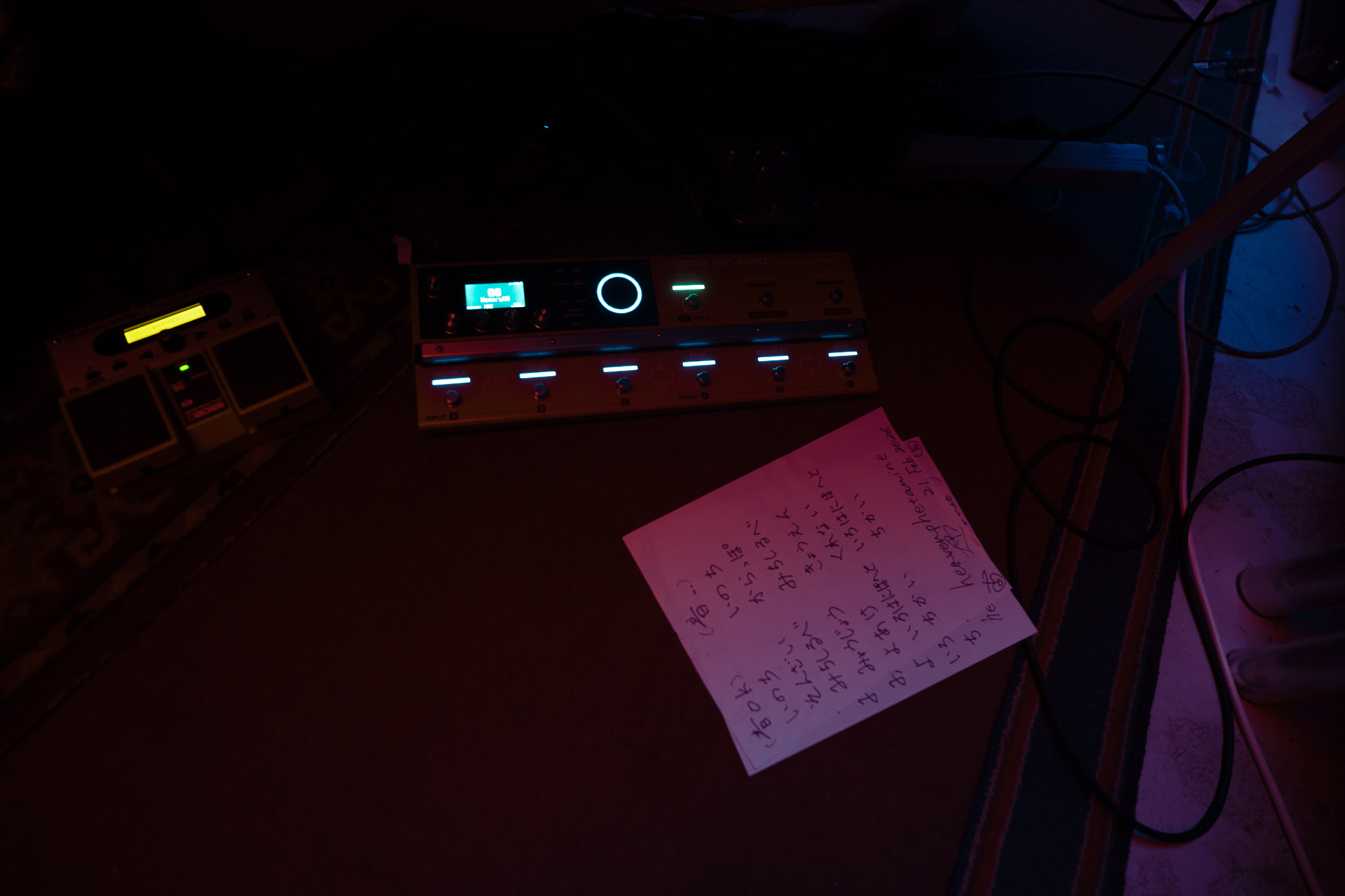
INOCHI is the name of the future documentary, but it was also heavenphetamine’s opening song at the Kharkiv gig.
Hiroki and Sara wrote it in 2022 and dedicated it to Ukraine, suffering from Russia’s war: “I don’t believe in absolute justice, / This ugly show will keep repeating, / And yet, amidst the filthy, murky sludge, / A light shines buried within.”
“We were influenced by war,” Hiroki says. “Music reflects this experience. But it’s still the experience of a foreigner, not a Ukrainian one.” When I ask for examples of difference in perspective, Hiroki takes a moment to formulate his thoughts, “We support Ukraine because we love Ukraine, not because we hate Russia. Ukrainian people hate Russia, and, in this situation, it is really natural, and I won’t say anything about it. It’s okay. But it’s your business.” Japan, he says, has a history of being targeted by Russian aggression, but now people there don’t think about it much.
Hiroki says he also doesn’t share the opinion that all Russians are responsible for the war. “If I say every Russian is responsible, then I have responsibility for (Russia’s war), too. Then all people on this planet have responsibility for all genocide, ethnic cleansing, exploitation.”
After a pause, I ask about the band’s plans. heavenphetamine has another ten cities on their Ukrainian tour, around 15 performances within this tour. They want to release their new album after the last city. Working on it, the band says, was a “long process”. The songs are already recorded but not mixed.
When I tentatively ask about the name of a new album, Hiroki winces: naming things is the part of creation he doesn’t like. They are now looking for ways to release the album in Europe. Kontrabas, the agency they’re working with in Ukraine, is great, they say, but not very fitting if one wants to be known beyond it.
At the beginning of the Russia full-scale invasion, Hiroki tells me, he thought long on “what created this monster.” And he came to the conclusion that this war was because of money, because of resources (as opposed to “one people” narrative, “protection of Russian-speaking people,” and other reasons Vladimir Putin uses for industrialized violence). Thus, in May 2022, having decided to cancel their rent contract in Tbilisi and donate all their money to Ukraine, heavenphetamine organized the NOM (Not Only Money) tour. They saved some funds for logistics, Hiroki notes. While getting the rides was easier across Turkey, when they reached Romania and moved further into rural Eastern Europe, the drivers proved to be unsympathetic to hitchhikers or racist. They’ve been staying at hostels or with friends. The tour continued right up until 2025.
Their “radical, anti-capitalist” stance clashed with the necessity to pay for food and housing. Sara says, “In 2024, we were very fucked up financially. If the organizer didn’t pay the transfer for us, we couldn’t move.”
Now, they don’t donate all of their earnings to Ukrainian organizations, but some: 20% of their earnings go to theMusicians Defend Ukraine. It’s an organization that raises money for artists in the Ukrainian army.
Their support of Ukraine is one reason they think they are so well-loved here in Ukraine, at least from what I’ve seen at the concert. The other one, Hiroki believes, is that they are Japanese, and people in Ukraine are interested in Japan.
“Real Japan or westernized Japan?” I ask.
“Both,” Hiroki laughs. “Lots of anime shops. They also know Japanese underground musicians even we didn’t hear about.” Over 150 people came to listen to them in Kharkiv.
At their gig, I spoke to Oleksii, one of the band’s big fans. “It’s the sixth time they’re in Kharkiv,” Oleksii shared. He works at the KAZKA Family, a Kharkiv initiative that organizes concerts in the city (yes, connected to the now-closed bar), but that day he joined Hiroki and Sara as their sound engineer. They always ask for him when they are in the city.
He nodded at over a dozen multi-colored sliders on the screen, as if to show me the interesting complexity of the task he was entrusted with. “They are like a mini-orchestra.”
When I ask heavenphetamine their close ones in Japan are thinking about their performances abroad and in Ukraine, Sara and Hiroko say, with unison smiles, that their parents are not happy at all.
Last year was the first time both of their parents came to their show in Tokyo, though.
“How have they reacted?”
“They said, ‘It’s good,’” Hiroki laughs.
In previous interviews, heavenphetamine said the audience in Japan was somewhat more conservative than in Europe.Over the last five years, they tell me now, it hasn’t changed much. “They’re shy,” Hiroki explains.
The audience in Ukraine, though, has also become “more chill” with time, the band shares. They attribute it to their growth and the corresponding increase in ticket prices: fewer young people can afford to go to the gig now.
“I like their vibe of a melancholic Japanese neighbourhood,” said Andrii, another one of the Kazka family, as we spoke at the concert with KEMONO — mournful, yet energetic — melody in the background. “It’s, like, Japanese music of chill Japanese streets.”
I later read that KEMONO was heavily inspired by the pair’s experience of living in a country at war. The translation talks about the uncertainty of living under threat, about “light that seems to disappear at any moment,” and about an unnamed authority seeking “blood-stained souvenirs.”
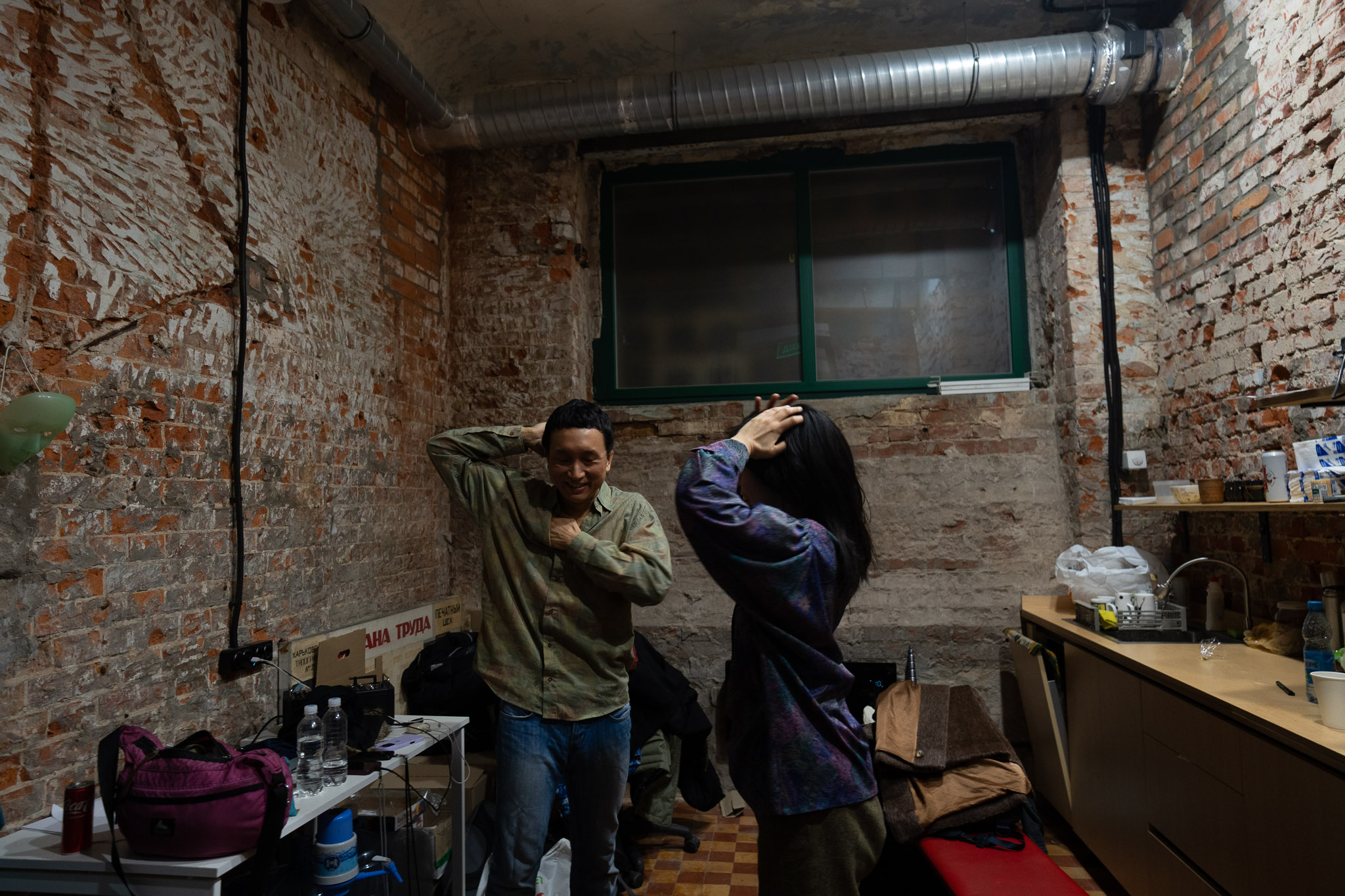
At the end of the heavenphetamine’s concert, a man who raises funds for the army at this event goes on stage.
First lots are heavenphetamine-related stuff: their cassette, the t-shirt with the band name. Then, goes old Soviet record. The man laughs, “I will read the names of the song from this record until you stop me with money” — and the audience laughs in response.
After Hiroki and Sara go to play the last song of the evening, the man undresses to his boxer briefs, having put up for the auction his tunic, his dress, and his pants.
This show, Hiroki and Sara tell me in the cafe, was very chill.
Hi, I’m Yana, author of this article. Usually, I cover much grimmer events (re: Russia’s war), so working at Hiroki and Sara’s concert was a blast, as well as talking to them the next day. If you liked this article and want to support our Kharkiv-based newsroom, please, consider leaving a one-time tip or joining our community.
Read more
- “We didn’t even have time to get scared.” Kharkiv recovers after another overnight Russian drone, missile attack
- Russia flattens homes in Kupiansk district into rubble. White Angels evacuation team saves those who lived there
- “Legal regression” — New draft Civil Code intended to “harmonize” Ukraine’s law with EU standards actually undermines eurointegration


Subscribe to news from Kharkiv, Ukraine
Most important stories from the frontline region