Mar. 4 — SEPS, Slovakia’s state-owned electricity transmission operator, has announced the termination of its contract with Ukrenergo, Ukraine’s national power company, for emergency power supplies, Slovak independent newspaper Denník N reported.
Martin Magát, SEPS director, said that the last time Ukraine received emergency power supplies was in January. Magát added that Ukraine had requested emergency power supplies following Slovakia’s ban but SEPS refused.
According to Dennik N, Robert Fico, Slovak Prime Minister, requested for unilateral termination of the contract between SEPS and Ukrenergo.
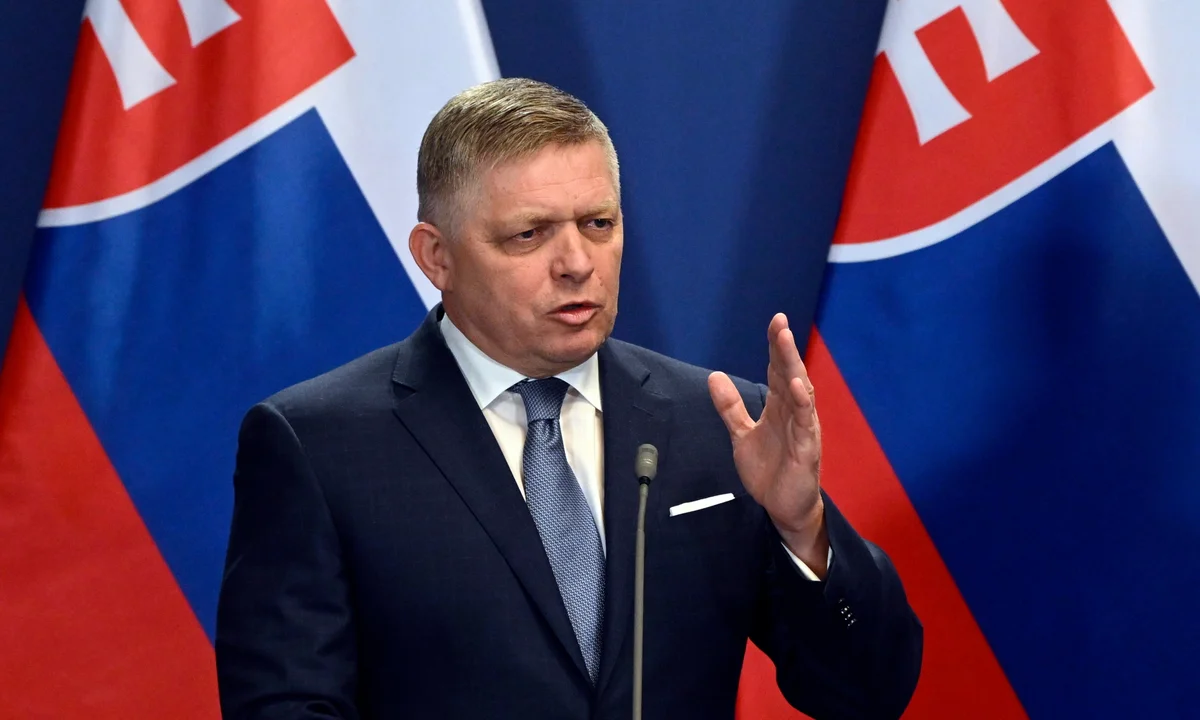
On Feb. 23, Robert Fico said that Slovakia would halt emergency power supplies to Ukraine until Russian oil deliveries through the Druzhba pipeline are restored.
Two days before, Viktor Orban, Hungarian Prime Minister, threatened Ukraine to suspend power supply for Hungry, demanding to restore oil transition too.
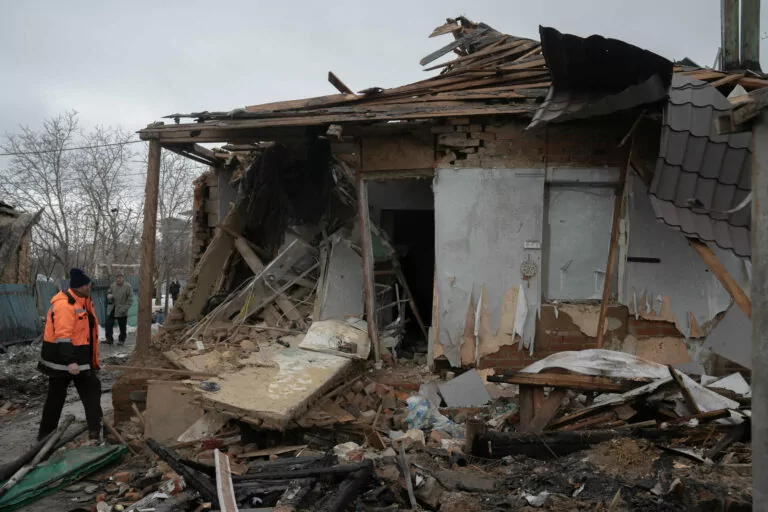
The oil delivery through the Druzhba pipeline has been halted since Jan. 27. Back then, Kyiv reported on the Russian attack on the pumping facilities in western Ukraine, and on Mar. 3, Denys Shmyhal, the Minister of Energy of Ukraine, reiterated that Russia severely damaged the Ukrainian branch of the Druzhba pipeline.
“Most of the internal equipment of the oil pipeline, various sensors, and other equipment inside the oil pipeline were damaged by temperature conditions,” Shmyhal told Ukrainian news agency Interfax.
According to the sources of the Financial Times, Katarína Mathernová, EU Ambassador to Ukraine, asked Ukraine for permission to inspect the Druzhba pipeline but her request was denied.
“We cannot say if there is damage or not. There are very easy ways to document it and show they are working hard to repair it. They haven’t done it,” unnamed senior EU diplomat told FT.
On the other hand, a senior Ukrainian official close to Zelnskyy told FT that technical experts from Naftogaz, Ukraine’s state-owned oil and gas company, have provided their European counterparts with evidence showing that Russia seriously damaged the Druzhba pipeline.
Serhii Koretskyi, Naftogaz CEO, told the Financial Times that a Russian strike set fire to a tank holding 75,000 cubic metres of oil and it took 10 days to put it out.
“Numerous pieces of equipment, power cables, transformers and a leak detection system responsible for pipeline sealing were damaged,” he said.
According to Koertskyi, the fire went off in Europe’s largest oil storage tank, which has “a diameter the size of a football field.”
At the same time, the Office of the President of Ukraine reported that President Zelenskyy proposed Slovak Prime Minister Fico to visit Ukraine on Mar. 6 or 9 to discuss “all outstanding issues” that were discussed during the phone call between the leaders.
On Mar. 2, during the conference with the journalists, Zelenskyy said that Ukraine is ready for consultations with the European leaders on energy security and sanction packages. He also said that Ukraine should evaluate the risks for its territory and people.
“You can see technical reservoirs. One large reservoir is torn apart. Maybe Orban is a magician who was able to see the condition of the oil pipeline underground through satellites. I’m surprised, but anything can happen,” Zelenskyy said. On Feb. 21, Viktor Orban, Hungarian Prime Minister, threatened to suspend power supply from Hungary to Ukraine if oil transition isn’t restored.
The president added that repair crews were injured during the restoration of the Druzhba pipeline.
“When our people were restoring it, there was another combat situation (Russian attack — ed.) people were injured. Has anyone heard about this from Orbán or Fico? ‘We are very grateful to Ukraine, but we feel very sorry for the families, relatives, and loved ones who were injured’?” he said.
The president added that during his conversation with Fico they talked about the issue of Russian oil transit.
“If this is a question of Russian oil transit, then Ukrainians do not want Russia to earn money for the war,” Zelenskyy said.
Read more
- Russian forces attack Zolochiv community, killing woman
⚡ The fifth year of the Russian full-scale invasion started, so it’s been four years since most of us here at our Kharkiv-based newsroom became war reporters. Please consider supporting our journalism via a one-time donation — or join our community.

Subscribe to news from Kharkiv, Ukraine
Most important stories from the frontline region