Mar. 26 — A scoping review of 37 studies published from 2020 to 2024 into the mental health of Ukrainian children and youth during the Russian-Ukrainian war was published by an international research team led by the Research Center for Child Psychiatry at the University of Turku, Finland, in BMJ Global Health.
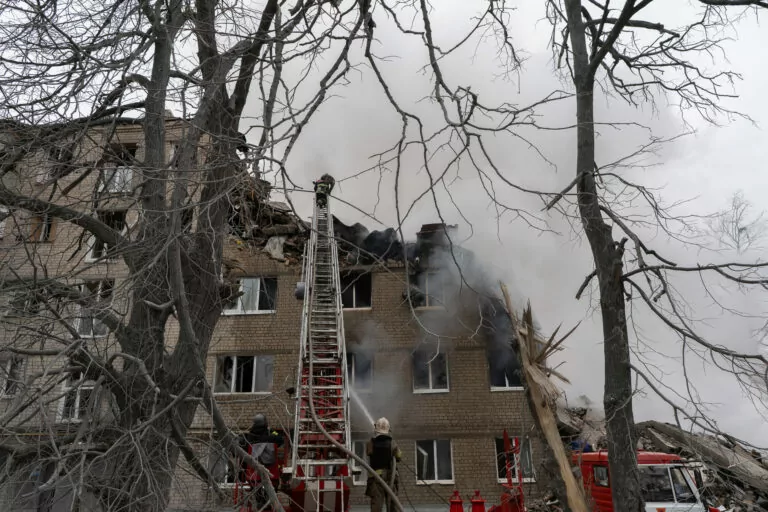
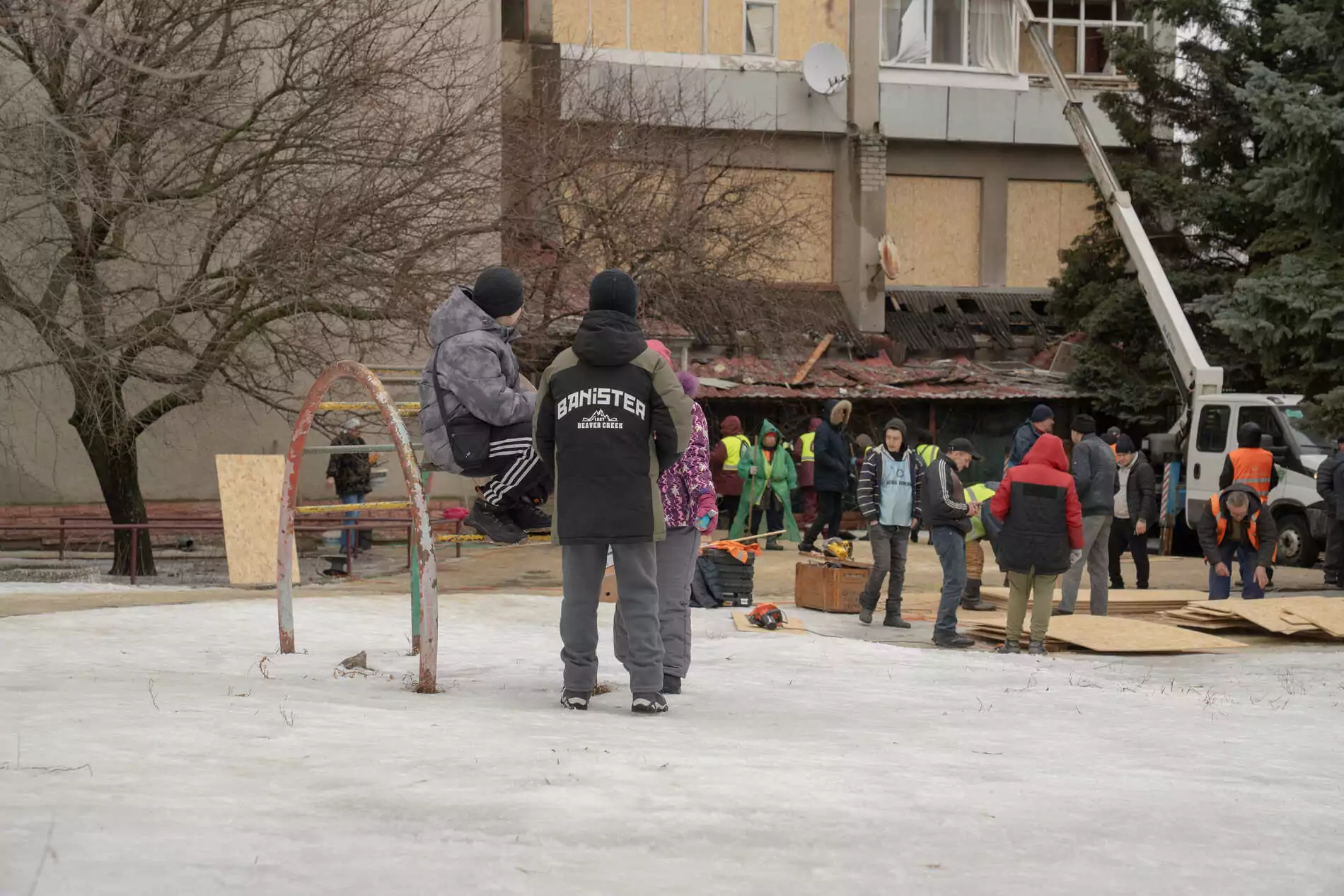
UNICEF report says that, as of early 2026, the Russians killed or injured over 3,200 children in Ukraine, and the number of children affected by war grew by 10% over the year 2025. Overall, every third child in Ukraine is displaced, with 2.5 million kids in total having to relocate from their homes because of the war.
Researchers found that living in a war-torn region of Ukraine was associated with moderate to severe symptoms of mental health problems, including suicidality and self-harm. Such was the case both during the early phase of war (the first eight years of the Russia-Ukraine war that started in 2014) and full-scale war (that started in 2022).
Most studies were cross-sectional and were conducted with children and youth residing in Ukraine.
Forced displacement, exposure to war-related events, and parental separation were among common risk factors for mental health worsening, the study said, while protective factors include perceived social support and problem-focused coping, the study said.
About a quarter to a half of the children and youth reported direct or indirect exposure to war-related events at any time during the war, research said. Such an exposure, as well as witnessing violence or killings, increased the risk for symptoms of mental health problems.
“Where children ended up mattered”, said Sanju Silwal, the study’s lead author and PhD from the University of Turku, to News Medical. “Forced relocation to another country was linked to higher risks of mental health problems, while internal displacement was associated with greater resilience, possibly because children remained within familiar cultural and social environments.”
⚡ The fifth year of the Russian full-scale invasion started, so it’s been four years since most of us here at our Kharkiv-based newsroom became war reporters. Please consider supporting our journalism via a one-time donation — or join our community.
Read more
- Russian forces attack the Slobidskyi district of Kharkiv, injuring 10 people
- Local authorities plan to forbid going to the frontline areas of Kharkiv oblast for medical teams without EW systems

Subscribe to news from Kharkiv, Ukraine
Most important stories from the frontline region