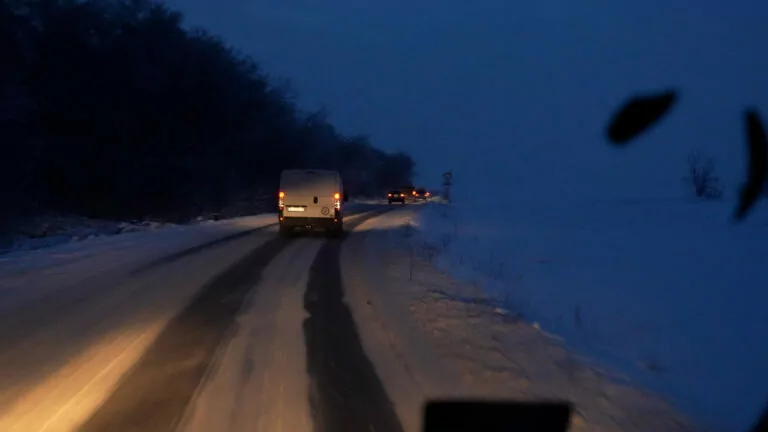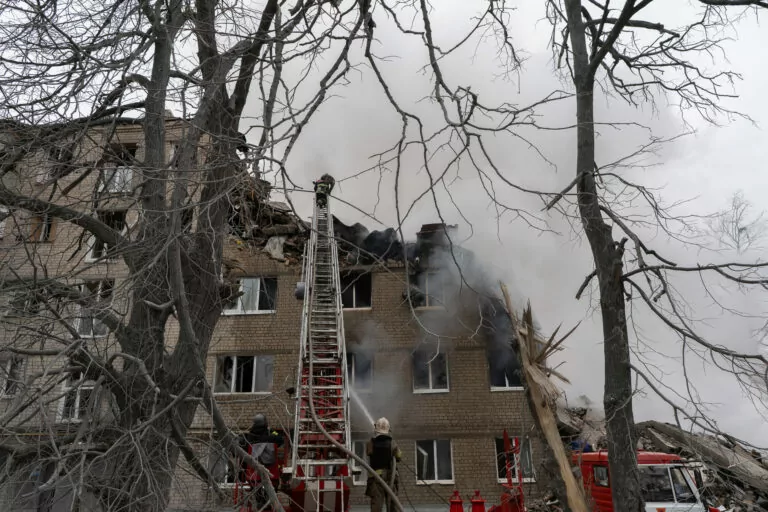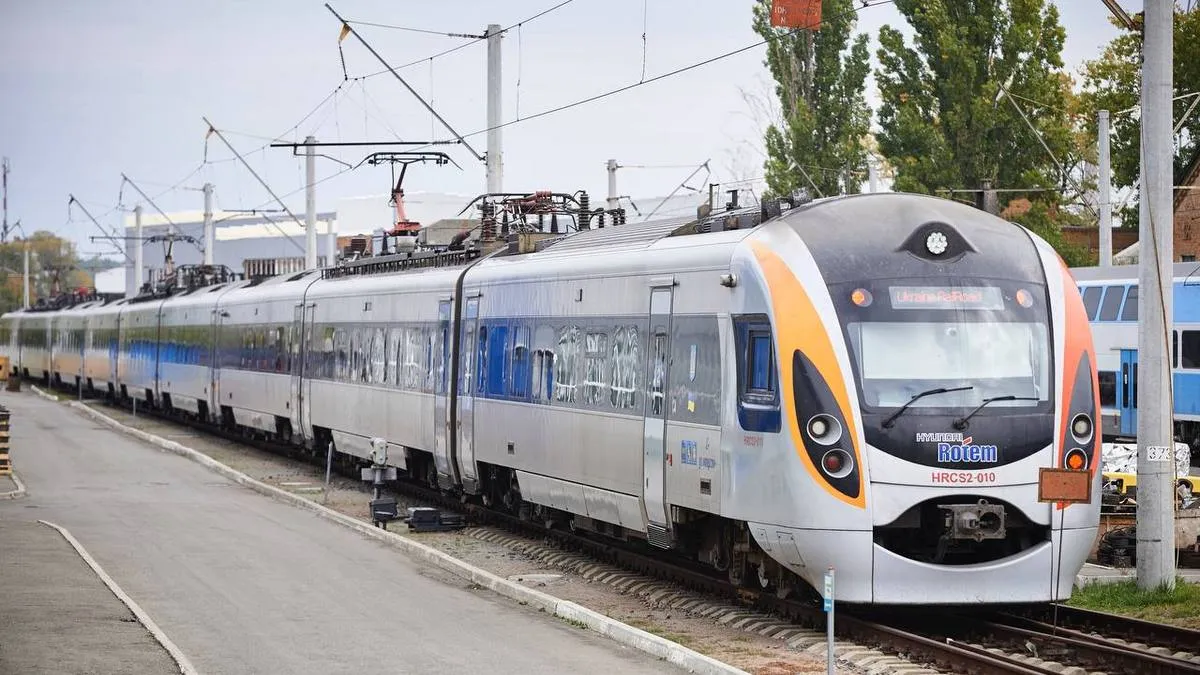
UKRAINE, KHARKIV OBLAST, Mar. 18 — Ukrainian Railways, the state-owned railway operator, has temporarily limited the operation of high-speed Intercity trains in the Kharkiv region. The Kyiv-Kharkiv and Kharkiv-Kyiv high-speed trains will stop (or start) at Poltava, a city about 143 kilometers (88.3 miles) from Kharkiv. Since Ukrainian Railways holds a monopoly on rail transport in Ukraine, the only high-speed trains from the capital to Kharkiv are now stopped.
In a statement, Ukrainian Railways said the restrictions are implemented because of energy shortages affecting the country’s infrastructure. The company also added that they plan to renew the operation of high-speed trains in Kharkiv oblast by the end of March.
Serhii Shchur, Ukrainian Railways spokesperson, told Gwara that passengers with Intercity tickets can travel from Kharkiv to Poltava (or from Poltava to Kharkiv, on their way from the capital) in two- or four-berth compartments of other passenger trains, depending on the ticket price. Ukrzaliznytsia’s SMM also told us that the passengers will be informed of the number of the train they need to transfer to in Poltava.
UPD from Mar. 18, 8:25 p.m.: Headline updated for more clarity.
Depowered high-speed rail
Normally, the trip from Kharkiv to Kyiv on the Intercity train lasted five and a half hours. After the hardest winter in four years of Russia’s full-scale invasion, things have changed.
On Mar. 16, the user named Ksenia posted that a locomotive was pulling her Intercity train that was completely out of power, which delayed the train’s arrival for 1,5-2 hours. She added that, along her route to Poltava, the toilets and the train cafe were locked, as they usually are when the train doesn’t have electricity.
“I recommend you to choose the morning trips for Intercity, they are somehow easier,” Ksenia adds.
“We’ve been on the road for 10 hours. Firstly, we’ve been waiting for three hours for the train in Kharkiv. Then they pulled the train to Poltava for 3.25 hours. This is horrible,” the user named Kris replied.
Kyiv reported that 700 missiles have been attacking Ukraine’s energy infrastructure during the three months of winter. On Mar. 3, Denys Shmyhal, the Minister of Energy, said that the electricity deficit in Ukraine’s power system was 5–6 GW, but now it has fallen to 1 GW.
That means electricity operators have to limit consumer and industrial consumption of power to keep the infrastructure running. That, along with unpredictable disruptions caused by incessant Russian strikes, is a reason why high-speed rail relied on locomotives’ support after it left Poltava.
On Mar. 18, Ukrenergo, the Ukrainian state-owned power operator, implemented emergency outages for all customers once again. In today’s report, Ukrenergo described the situation with energy as “complicated.”
Russian attacks on the railroad infrastructure
Another obstacle on rail routes from Kharkiv is the threat of air attacks on trains. A user named Doctor Prokhorova shared her experience of passengers being “evacuated” mid-journey — they were asked to leave the train — when a train was stopped in an open field. She was moving from Kharkiv to Przemyśl in Poland.
“We are staying near the train. It’s cold. How is it supposed to save us?” Prokhorova wrote.
The Institute for the Study of War (ISW) reported that since July 2025, Russia has increased its attacks on Ukrainian logistics, including on railway infrastructure. On Jan. 27, 2026, the Russian Shahed drone hit a passenger train carrying 291 people inside and killed at least three.
Just over the first four days of March, Russia launched 18 attacks on Ukrainian railroad infrastructure, damaging 41 objects, including 17 trains.
Hi, Nazar’s here. For me it’s especially important to keep you updated about how Russia complicates the life of regular people in Ukraine. Please consider supporting our Kharkiv-based newsroom by buying us a coffee or become a member of our community.
Read More
- “We visited to bring them gifts, and now we come in bulletproof vests” — Inside evacuation mission from Kharkiv oblast village threatened by expanding range of Russian drones


Subscribe to news from Kharkiv, Ukraine
Most important stories from the frontline region