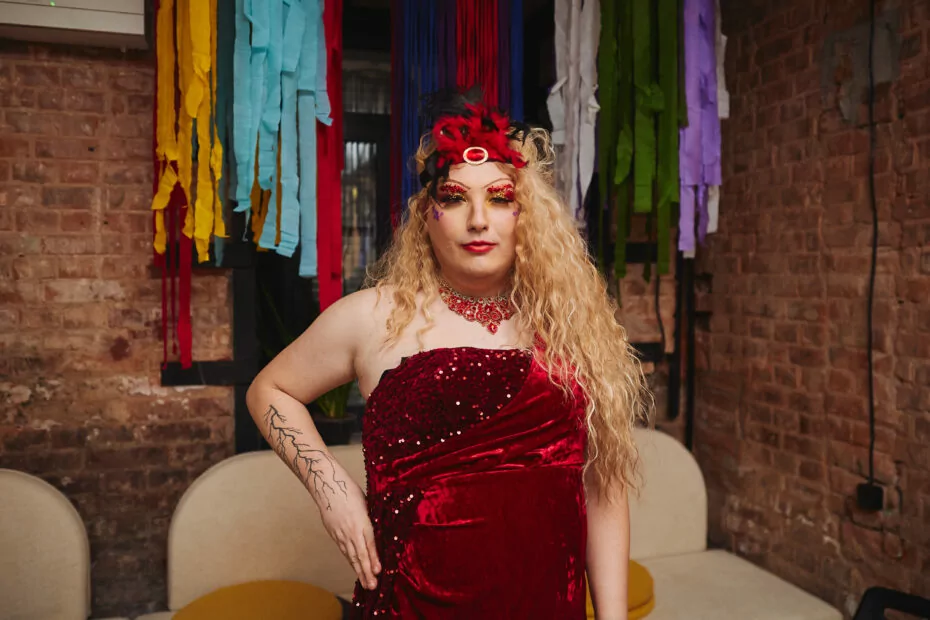
UKRAINE, KHARKIV — “I KISSED A GIRL, AND I LIKED IT,” the public is screaming Katy Perry’s song during the drag queen’s performance. Delighted festival guests are reflected in shiny sequins on her dress, are applauding, jumping, and kissing.
Drag is a performance of exaggerated femininity or masculinity or other forms of gender expressions for entertainment. Drag artists usually use cross-dressing and makeup to create the proper image of the gender expression they wish to embody.
In 2015, Zhanna Simeiz and Kira Vazovsky, two of Kharkiv’s drag queens, launched a drag festival called Dahlia’s Miracle. The festival was usually held in the gay club Jam, with 10 participants reaching the final competition. Jam was closed in 2018.
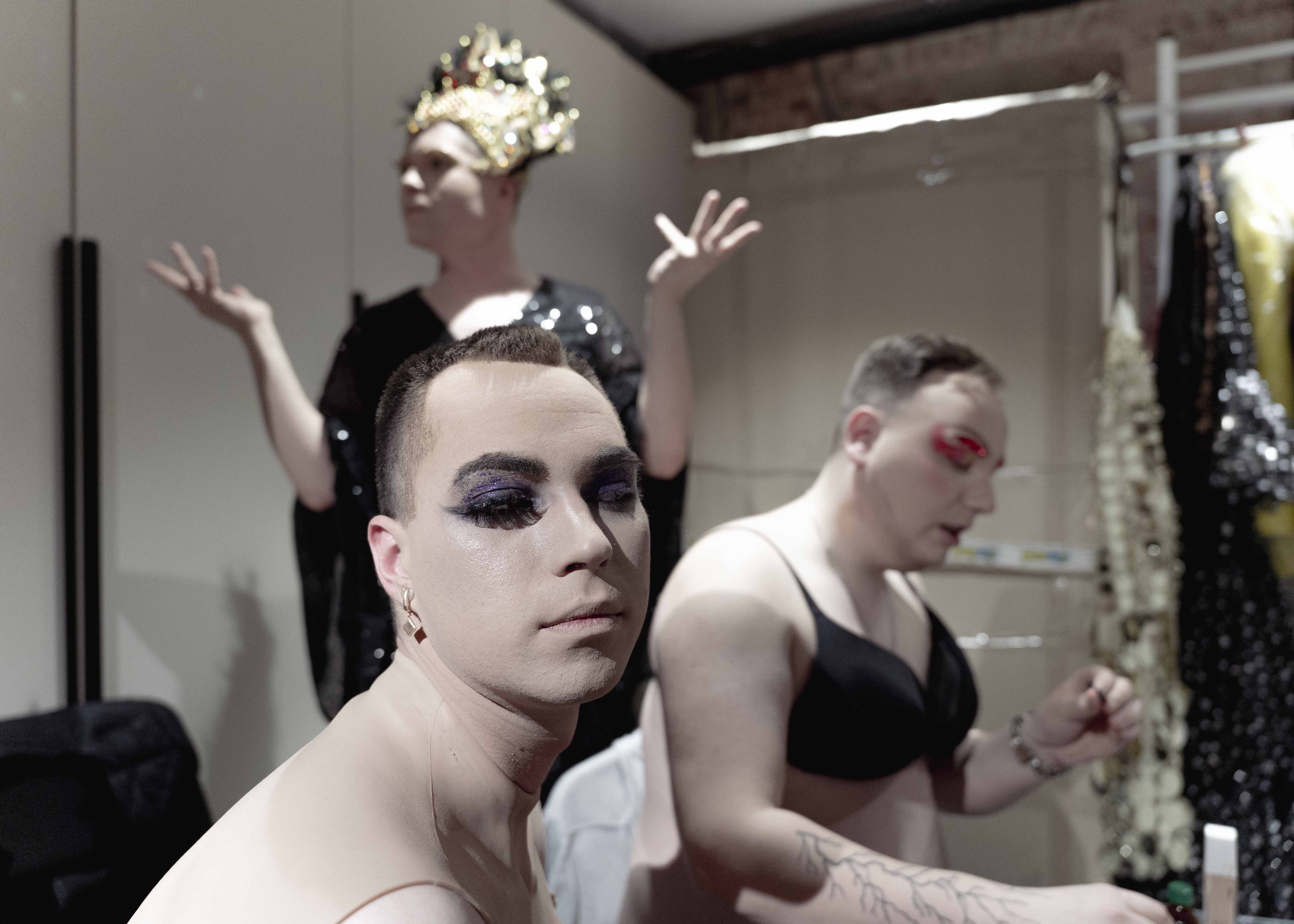
On Nov. 15, 2025, the festival took place for the first time since the quarantine and the Russian full-scale invasion. It was organized in PrideHub, a center for LGBTQ+ people, women, and all who support ideas of equality and human rights. Only six artists participated: Kassima, Monica, Katy Loboda, Ice Town, Diana Dark, and Nikoletta Vinilova. All of them have prepared bright dresses, and songs, and performances to bring the fun to Kharkiv and compete for the prize crown.
Drag queens take every detail into account: before performances, they put their lipstick on, try on different heels, and drink some “compot” — usually a drink from boiled fruit or berries, here an euphemism for alcohol.
Gwara journalist Katia Deviatko visited the drag festival and talked to artists behind the scenes to show the life of drag queens in Kharkiv.
Kharkiv tradition is revived
Kira Vazovsky is dipping a brush in the dark blue eyeshadows. She looks at the small mirror on the table, making a few strokes on the left eyelid.
Katy Perry’s “Roar” is heard through the closed doors that lead from the dressing room to the dance floor.
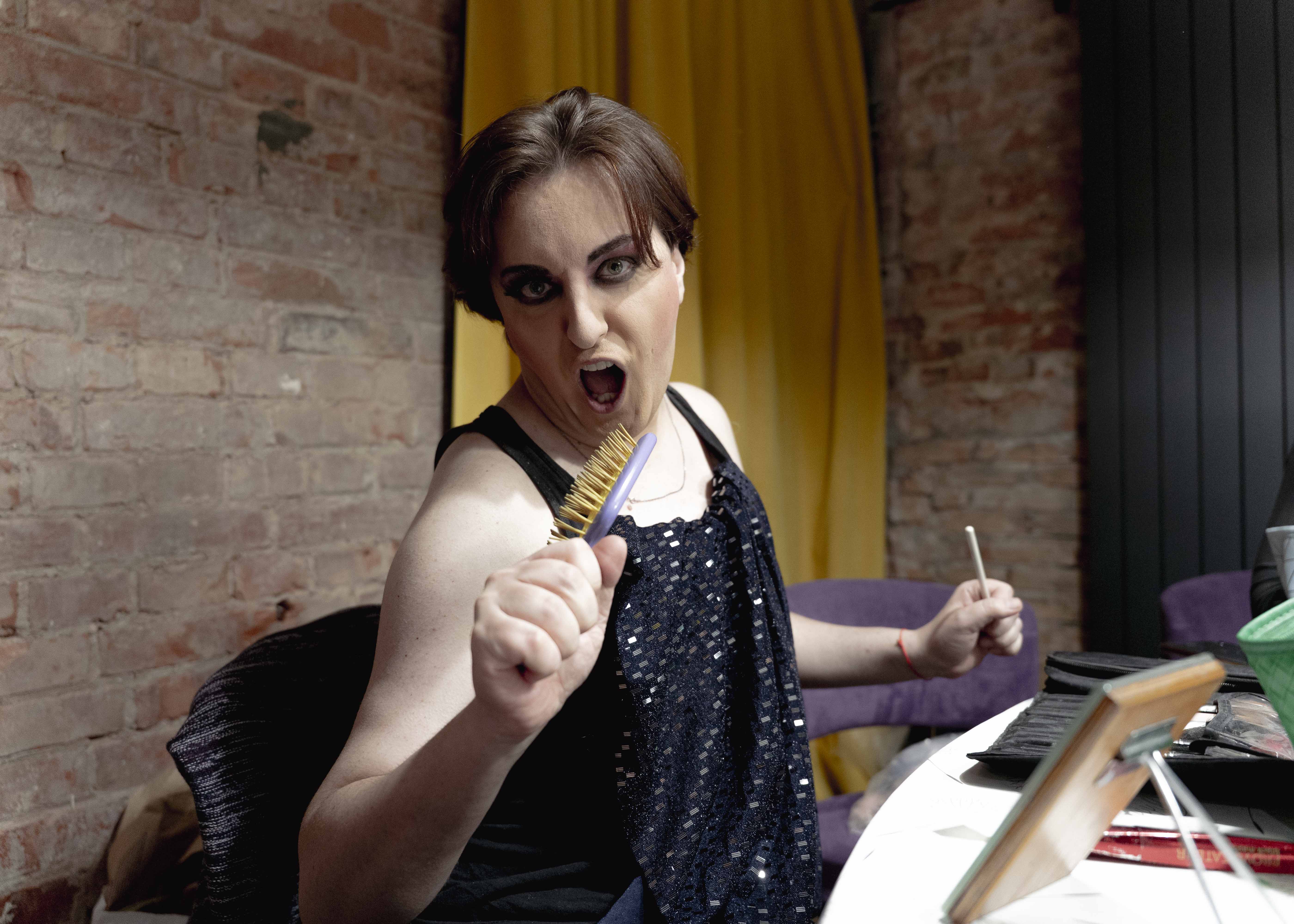
Kira is the head of the Vazovsky community that organizes themed parties. She started doing drag in 2010, while she was at the birthday party of her friend. During the party game, she quickly created a persona that looked like Irina Alegrova, a Russian singer. Her dazed friends suggested she should think about creating her own stage persona.
Since that day, Kira has been performing and singing at different kinds of parties, weddings, and сorporate events. She participated in the Lilac Pull drag spring contest, where she met Zhanna Simeiz, its organizer. Artists became friends and then decided to create an autumn festival connected to the flower theme, and so the Dahila Miracle was born.
After the Russian full-scale invasion, she translated her songs to Ukrainian, adding to her biggest hit “Kira, davai” (Kira, let’s go) a line “Putin – huilo” (Putin is a fucker).
“I have always been an executive director. I communicated with participants, and we had a lot of them before the full-scale invasion. Many people came from Khreson, Dnipro, and a lot from Kyiv. Even from the west of Ukraine, many people came,” says Kira, gentle and cheerful.
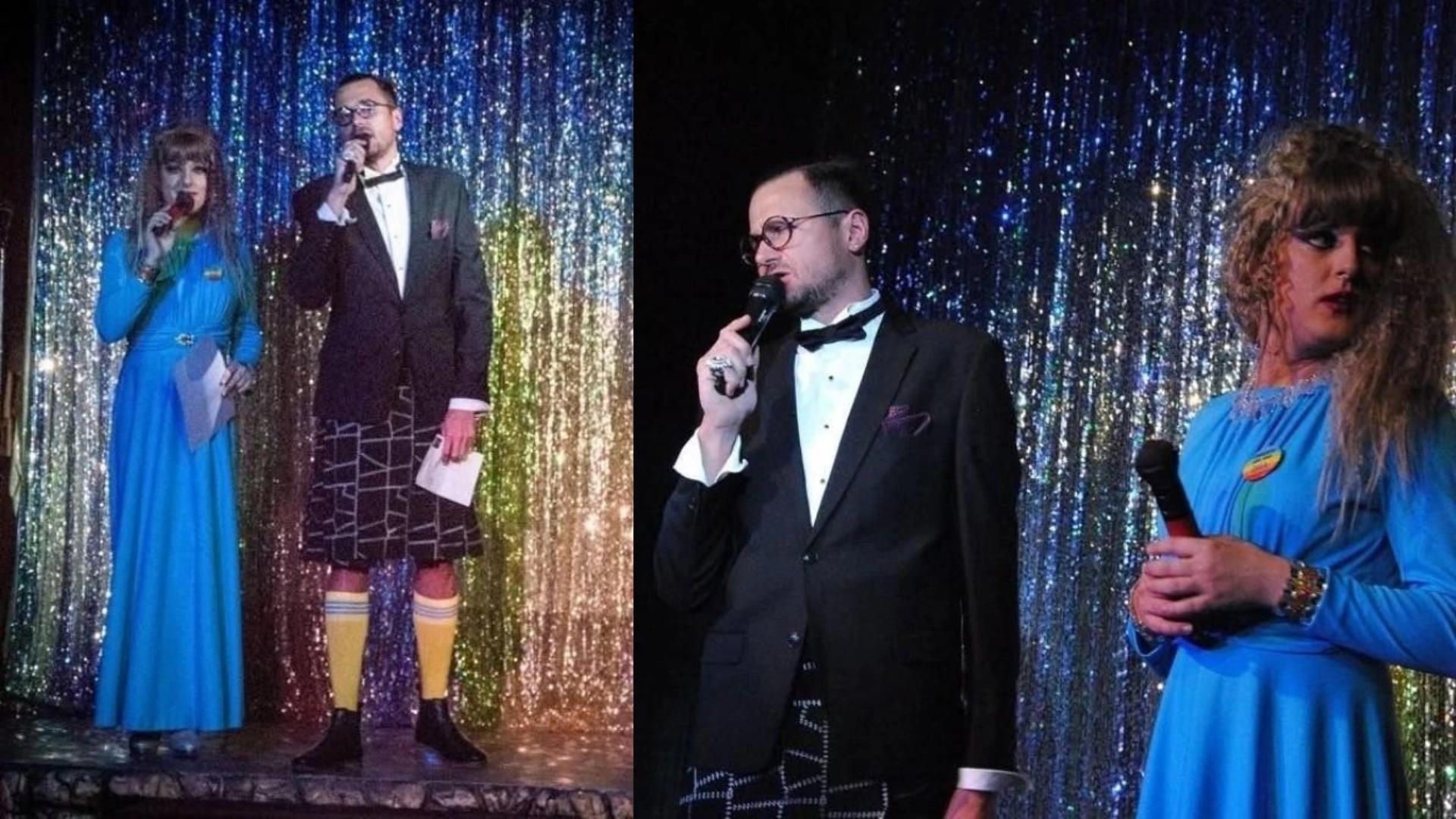
The only difficulty in preparing for this year’s festival was Zhanna’s business trip. While she worked, Kira had to manage many processes on her own. Now, though, she is inspired and happy. Many of her contacts have volunteered to help, and the drag festival is finally revived after a long hiatus.
Kira takes a small box out of her makeup bag. It softly clicks under the pressure of her finger. With the light move of her hand she takes the brush and tickles the box’s contents.
“Zhanna always said, ‘Girls, every one of you is a miracle — our dahlia’s miracle,’” says Kira, and gets quiet for a moment.
She purses her painted lips and strokes her cheeks with a brush. Katy Perry is singing, “and you’re gonna hear me ro-o-o-ar.” Kira meets her reflection’s eyes in the mirror.
She says with a wide smile, “I want to bring joy to the people in Kharkiv, so they’d take their mind off things and watch this fucking circus!”
“Is fucking circus a compliment?”
“Yes indeed! The biggest one!” Kira laughs.
“This is the most prestigious award!” someone shouts in the dressing room.
Cohort of beautiful women
An hour and a half until the performance. Everyone is focused on their preparation, but the room is filled with jokes and laughter.
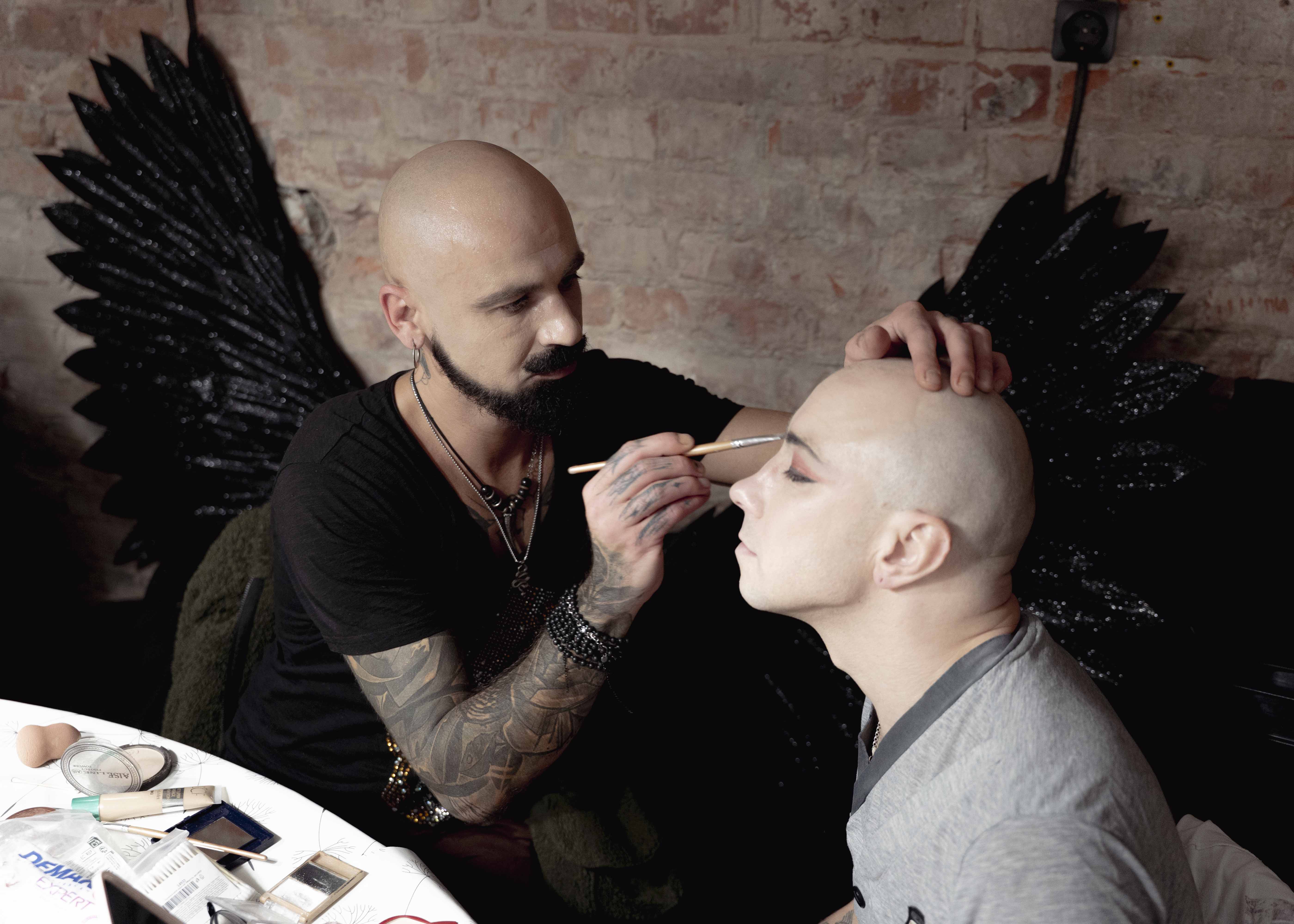
The artists sit at the large round table, chaotically laying out their makeup products on it — neon eyeshadow palettes, lipsticks that look edible, jars with sparkling glitter, sets of sharp acrylics, and long, fluffy eyelashes. They help each other to do makeup.
A diploma of the future winner and the festival programme lie in the center of the table. Next to them is a mic decorated with silver collared rhinestones.
On the chair, someone left a pizza box from Bufet, Kharkiv’s famous fast-food cafe.
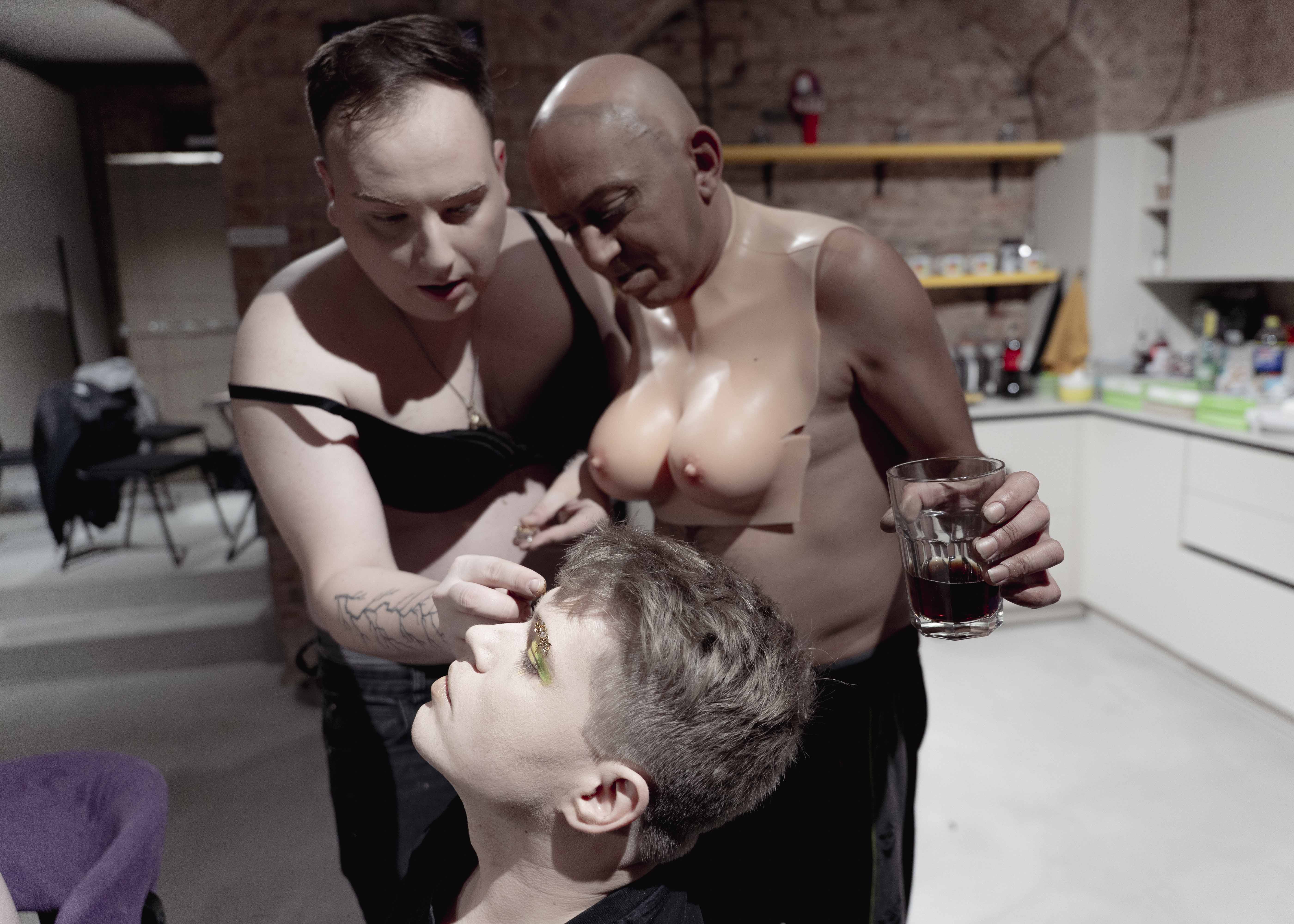
Drug queens who already did their makeup help each other to wear false breasts. They carefully pull silicone molds over each other’s heads, cover them with bras, and clasp the back clips.
“What is the most important thing in the drag queen image?” I ask, looking at the black Victoria’s Secret-style wings on the floor.
Kira thinks about it. She puts away her pocket mirror and a napkin she used to fix her makeup.
“(The most important thing is) don’t talk bullshit.”
“Meaning?”
“Like, you know, when you sang in the bathroom, took a photo with the carpet in the background, and now you call yourself a drag queen. Kira and I call such artists ‘domestic girls.’”
Kira is angry that, on many dating websites, people who work as escorts and sex workers write that they are drag queens in their profiles. This, she believes, damages the image of the drag community, as society has a distorted view of the artists’ activities already. They do perform burlesque shows, but do not accompany clients to elite events or provide sexual services for money, Kira clarifies.
“We break stereotypes like, ‘ugh, a gay club, God, guys are cross-dressing,’” Kira grimaces. “I want to show with this festival that drag queens are cool! Being a drag queen is an art! It’s such hard inner work; work on your stage persona, work to become better.
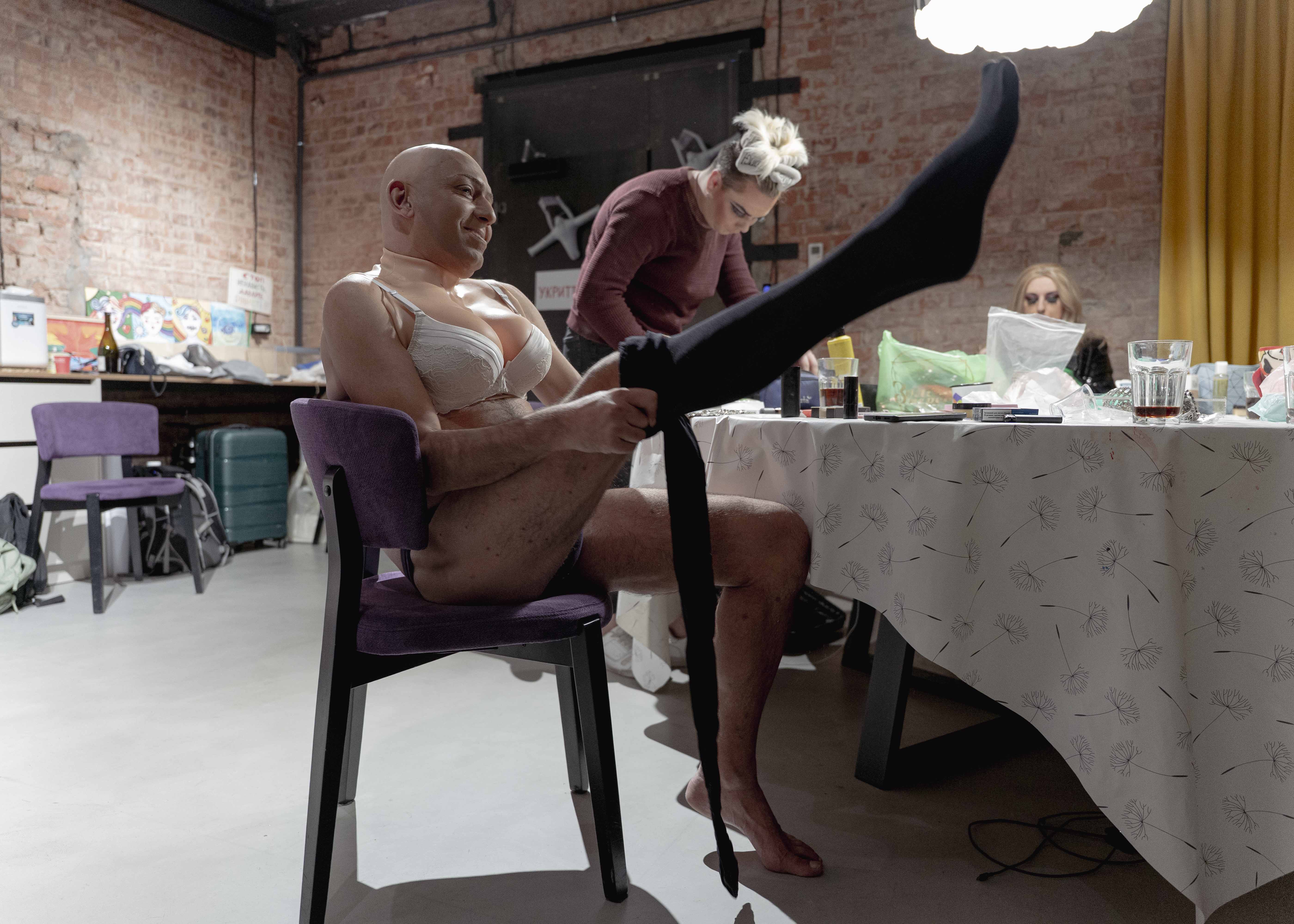
“Did artists face recruiting officers (In Ukraine, during the martial law, all citizens aged 25-60 who have “male” in the “sex” paragraph of their passports could be enlisted —ed.)?” I cough because the powder cloud made by another drag queen approached us.
“Even if they come, recruiting officers will see only the cohort of beautiful women!” Kira exclaims, lifting her eyebrows. “But we’re women with a surprise, with a penis. So they’d run far and fast from here.”
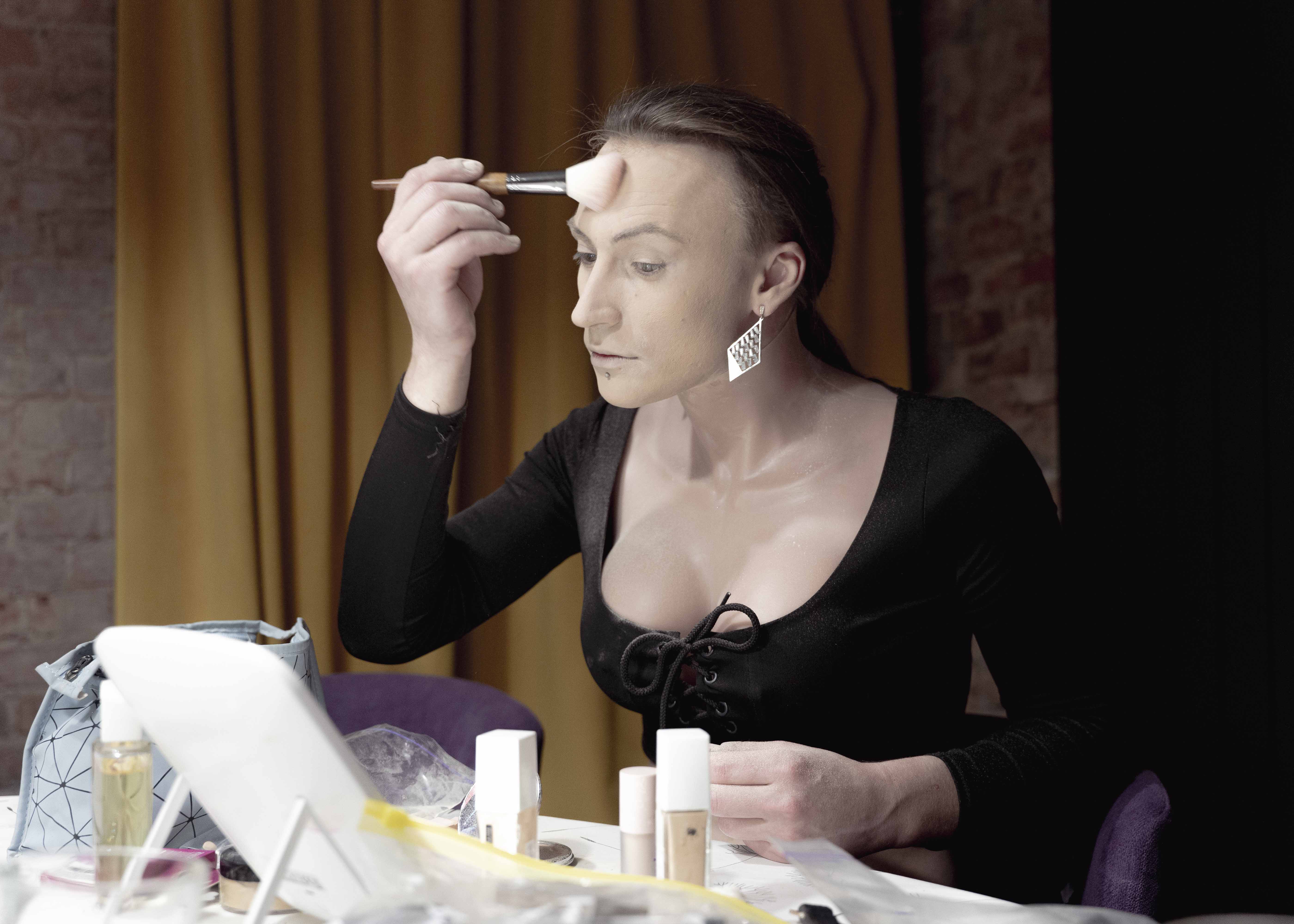
Artists in the dressing room giggle at that. In the melody outside, Ariana Grande asks, “Yes, and?”
“Kompotik”
A plastic cup is overturned in the middle of the table and its transparent contents with a pungent smell are spilling onto the nameless diploma.
“Fuck!” Kira jumps from her chair. “I told you not to put anything here!”
The artists nearby quickly wipe the vodka with napkins.
“There is a prejudice that the drag and LGBTQ+ communities are closely associated with drugs and alcohol,” I ask, once the diploma has been saved. “How much of a role does this play in your community?”
“We don’t do drugs. But when we’re getting ready, of course, we like to drink ‘kompotik’,” Kira winks. “Because when you go on stage, work the club, the audience is already tipsy. And to feel that vibe, you have to drink a little, too. Would you like some ‘kompotik’?”
I would. In a moment, a glass of “kompotik” appears next to me — a mixture of Ukrainian Borisfen cognac and classic Coca-Cola. The proportions are about 2 to 3. We make a toast “to this evening!” and clink our glasses.
Dream of performing at a city festival
Compote starts working, and we’re joking about Mike Wazowski, one of the main characters of the Monsters, Inc. cartoon. We come to the conclusion that, with his charisma, he could also become a drag queen.
Kira says that her pseudonym has nothing to do with the character, as it comes from the word “vase.” In the past, she even held a karaoke contest where the winners received a crystal vase.
“This year you wrote the anthem for Dahlia’s Miracle,” I say to Kira, who carefully lays her eyelashes on the table and starts putting glue on them from a miniature tube.
“Yes, yes, Cassima wrote it. Cassima!” Kira calls out to her friend with shiny red eyebrows. She waves with her fingertips at us from the other end of the dressing room.
“There’s a line that says, ‘Kharkiv is an artistic capital.’ Last time we saw each other at the photo exhibition ‘Drag Queen of Kharkiv,’ you said it would be cool if this anthem played in the city’s main square someday,” I continue.
“That’s our dream! You know, in the spirit of all these city holidays. Not everyone knows this anthem yet; it needs to be used more often. It should be heard everywhere, so that people’d recognize it,” laughs the artist, adding that she will think about a big performance in the square after Russia’s war is over.
Kira is very fond of Sofia Rotaru’s songs “Chervona Ruta” and “Odna Kalyna.” In the past, she even impersonated her at corporate parties.
“It’s half past five! Fuck’s sake! I have to put on my tits!” Kira exclaims, tells me to enjoy today’s show, and disappears.
What does your stage name mean?
At the other end of the dressing room, Cassima is fixing her makeup in front of a makeshift mirror. She squints and smiles, twirls around her friends, and poses for the camera. She says she really likes it when people call her by her nickname, Casia.
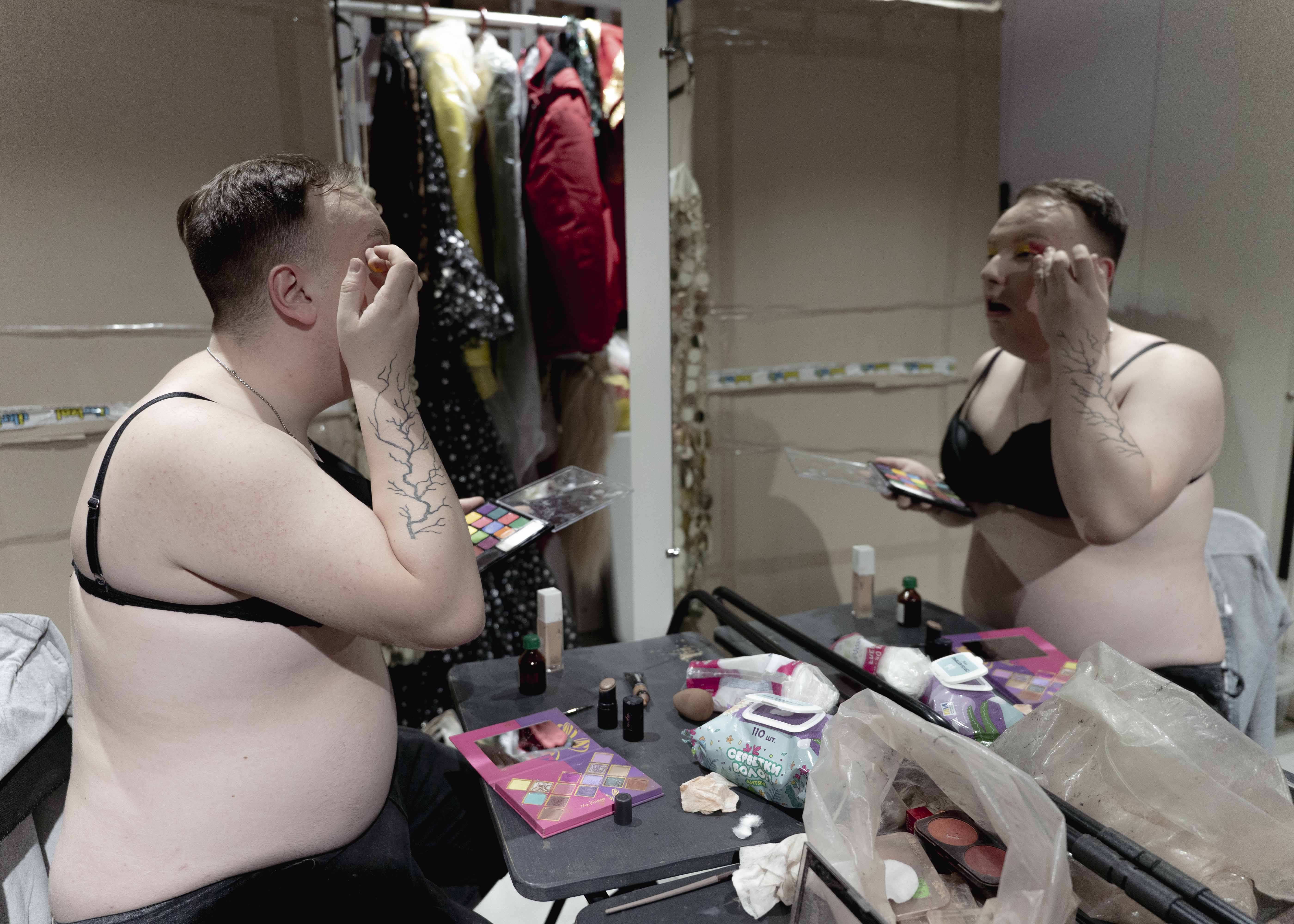
“Casia one, Casia two,” the artist touches the left and right cups of her bra.
Casia says she greatly appreciates the support of the community and takes inspiration for her performances from her friends and her own inner world. She is passionate about makeup and eagerly helps other artists.
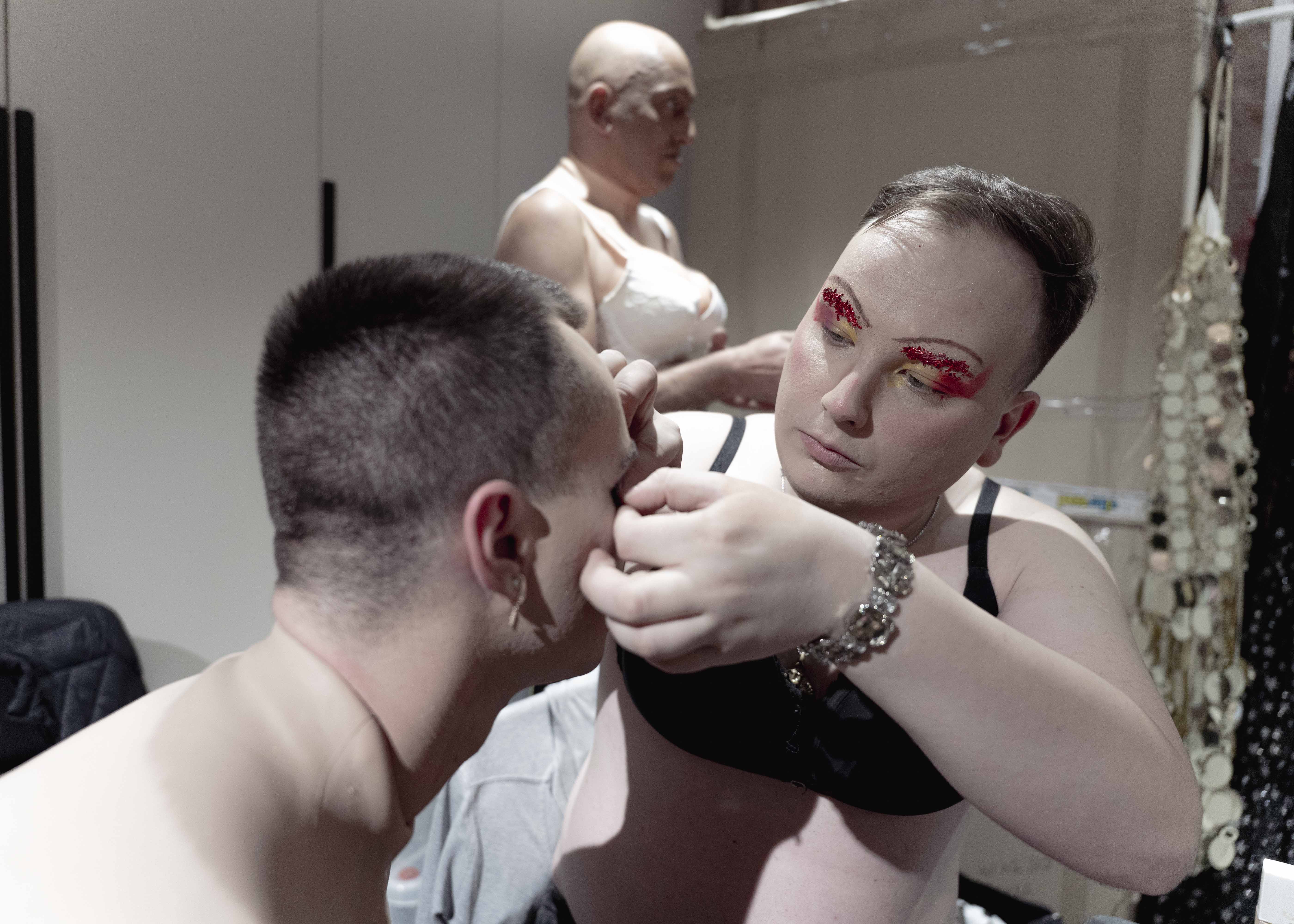
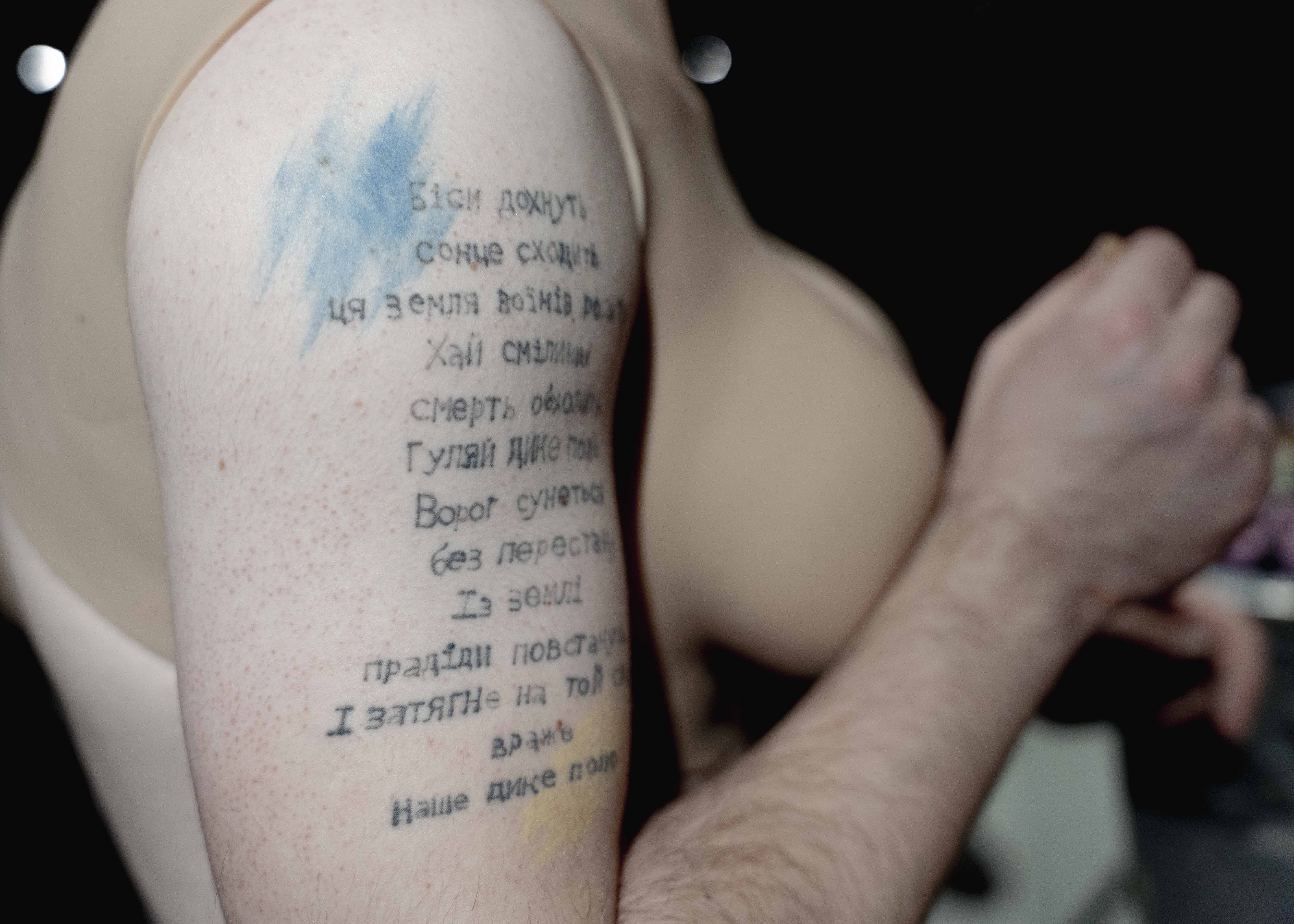
Katy Loboda is getting her makeup done nearby. The tattoo on her arm is the text of the song “Dyke Pole” (“wild field” in English) by the artist Yarmak against a yellow and blue background. Ketty serves in the National Guard as a cook. She took a day off to perform today, even though it wasn’t easy.
“I adore two singers — Katy Perry and Svitlana Loboda. I consider them to be ideal in terms of both music and character, regardless of political views (Svitlana Loboda remained in Russia after the start of the full-scale invasion and continues to make music in Russian — ed.) and continents. These are people who know how to make music, and few would disagree with that,” Ketty says as she paints her lips.
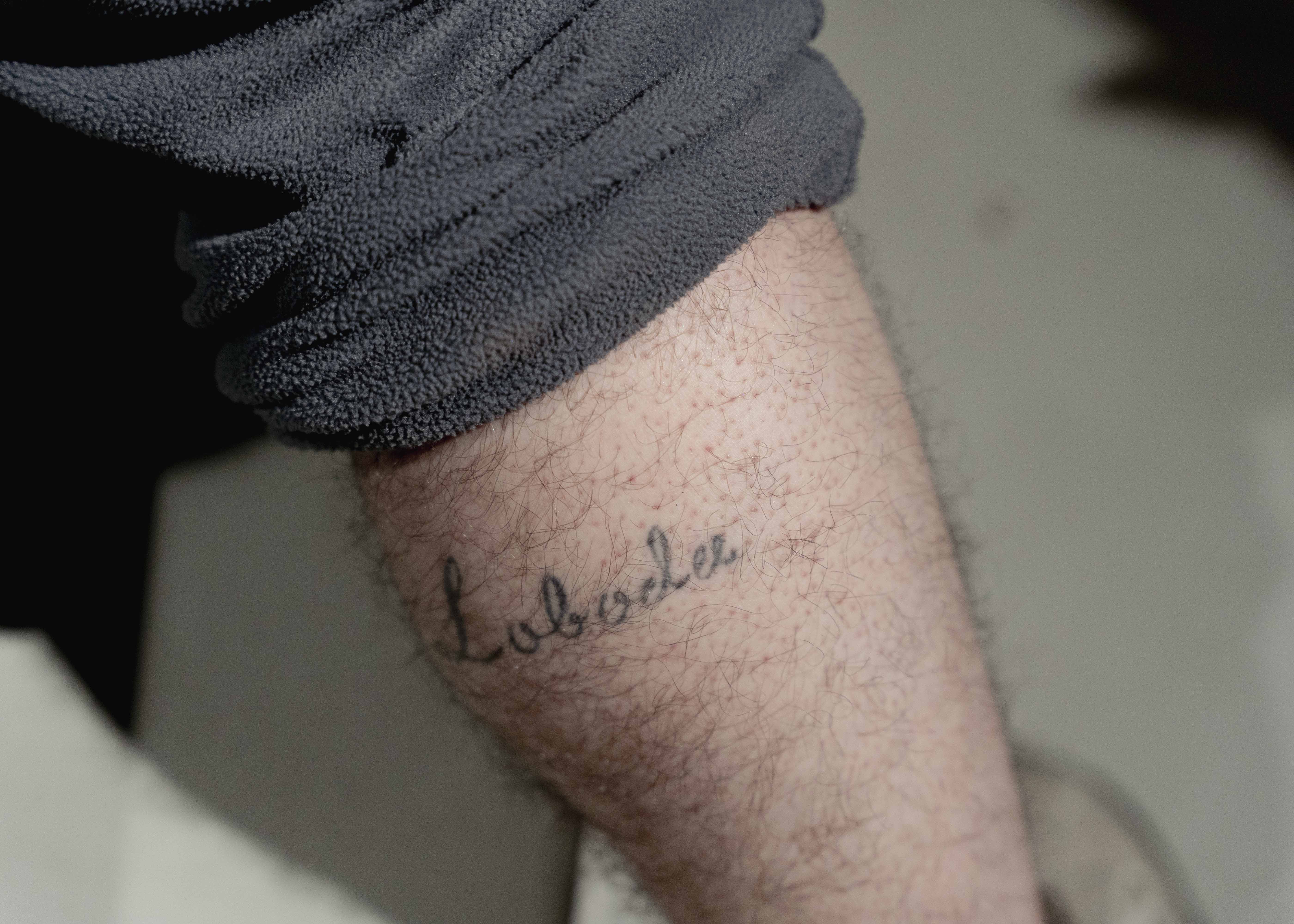
She smacks her lips, admires herself in the mirror, and rolls up her pant leg to show off a tattoo on her leg with the calligraphic inscription “Loboda.” According to Ketty, the singer is her friend who periodically sends her humanitarian aid.
Ice Town chose this pseudonym because it’s a wordplay, and it was easy to add to the website domain. He writes songs and will be performing in a dress for the first time today because he wants to try something new. Ice’s boyfriend is coming to support him today — he doesn’t know about his loved one’s new look yet.
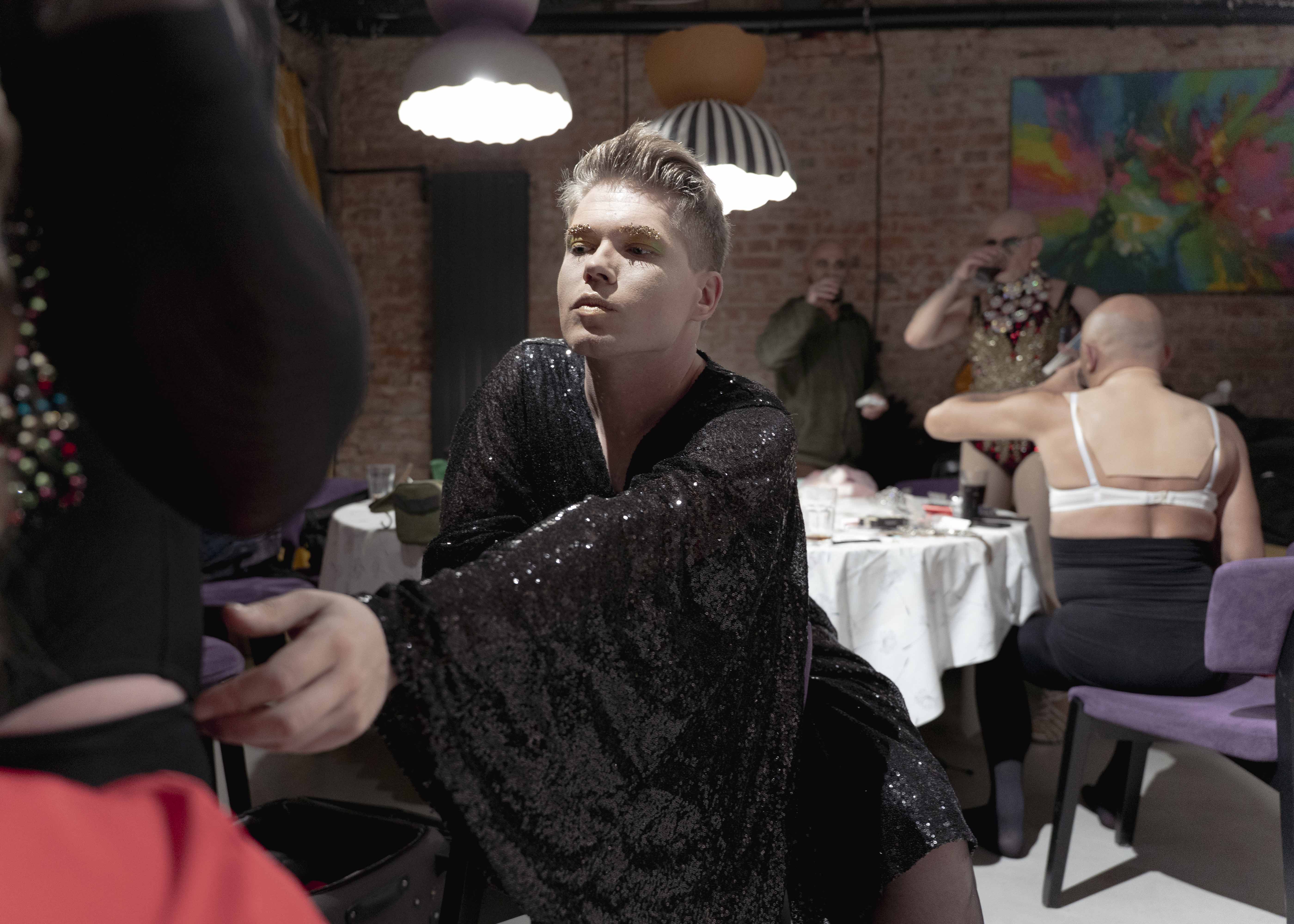
“I think it’s like acting, where you can choose any role,” Ice says about the meaning of drag. “The main thing is to bring people joy. Besides the fact that it’s a festival and we’re getting some awards, people should get positive vibes. And if we make someone laugh, that would be truly great.”
“If one wins, everyone wins”
Kira enters the hall wearing a long red satin dress. The audience greets her with thunderous applause — there are so many people that the performers barely have enough room on the improvised stage.
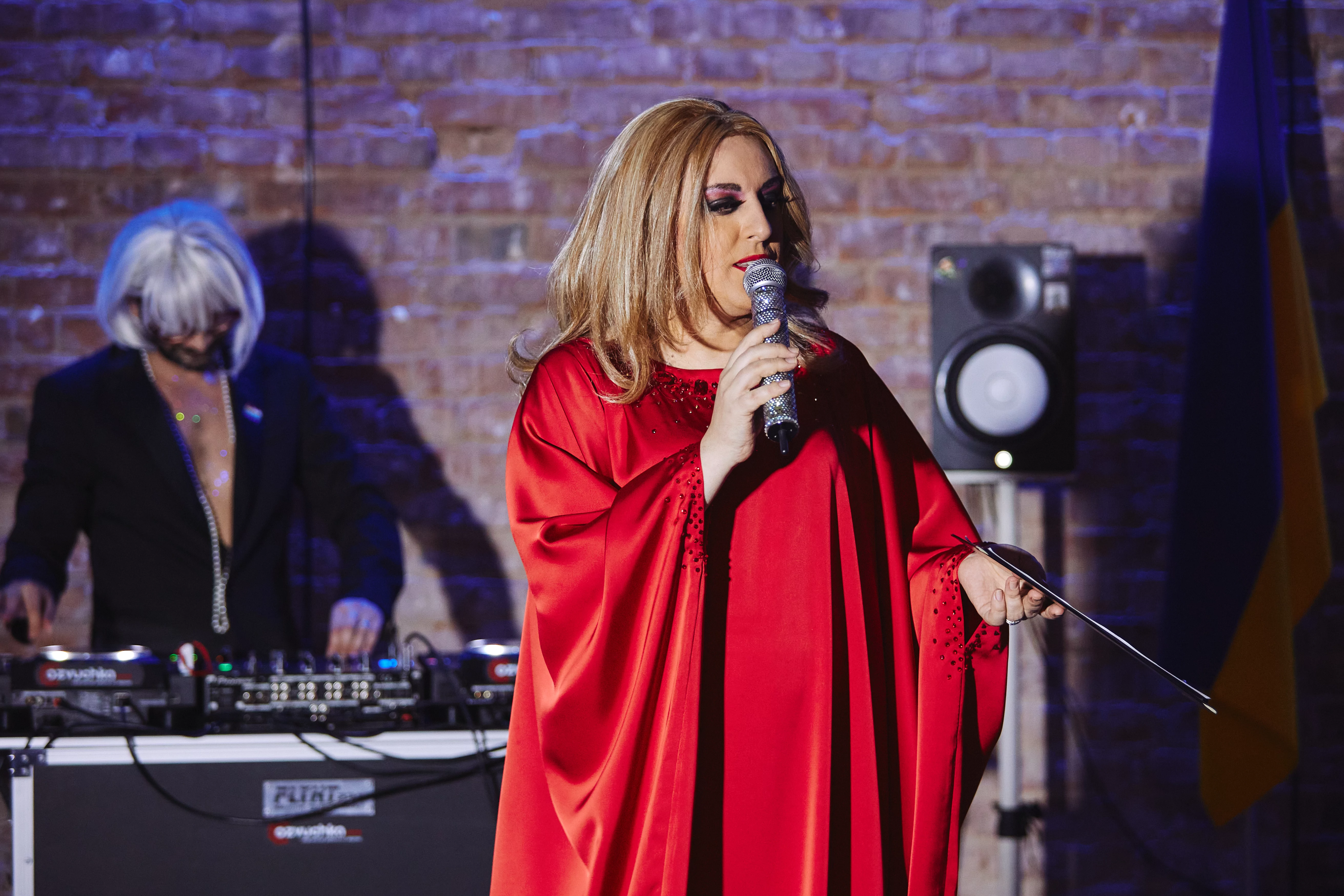
“We already know who we’re going to beat up for the scores,” she says after introducing the jury members, and the audience bursts into laughter.
The contestants come out one by one and line up on stage. They stand proudly with their chins raised, each with a number pinned to her shiny costume. The audience admires them and claps.
With a wave of her shiny microphone, Kira sends them to the dressing room to prepare for their performances and invites the duo “Gracia” to the stage. They won the festival in 2015 and are now part of the jury. The artists have hearing impairments, but this does not prevent them from feeling the rhythm of the song and captivating the audience.
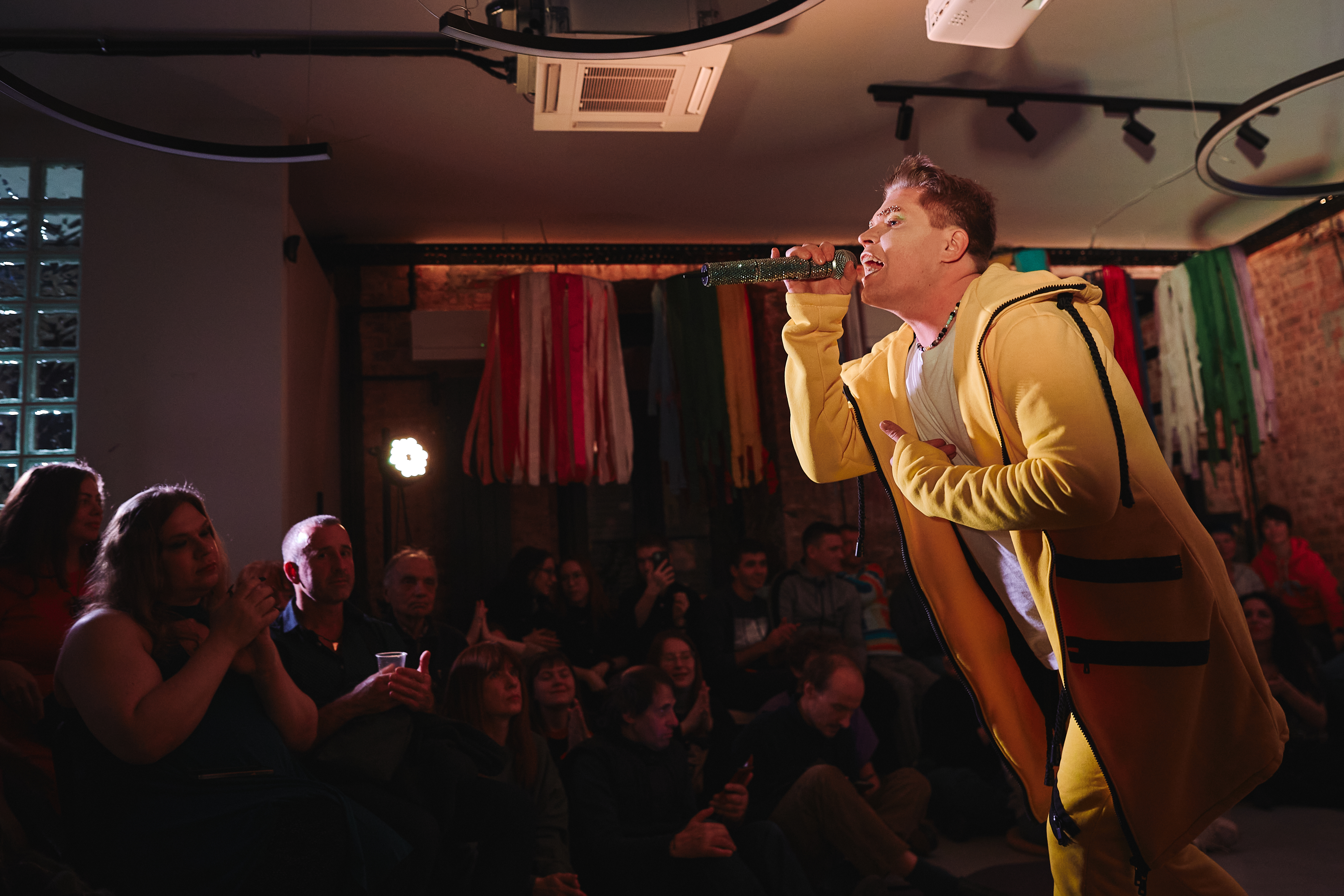
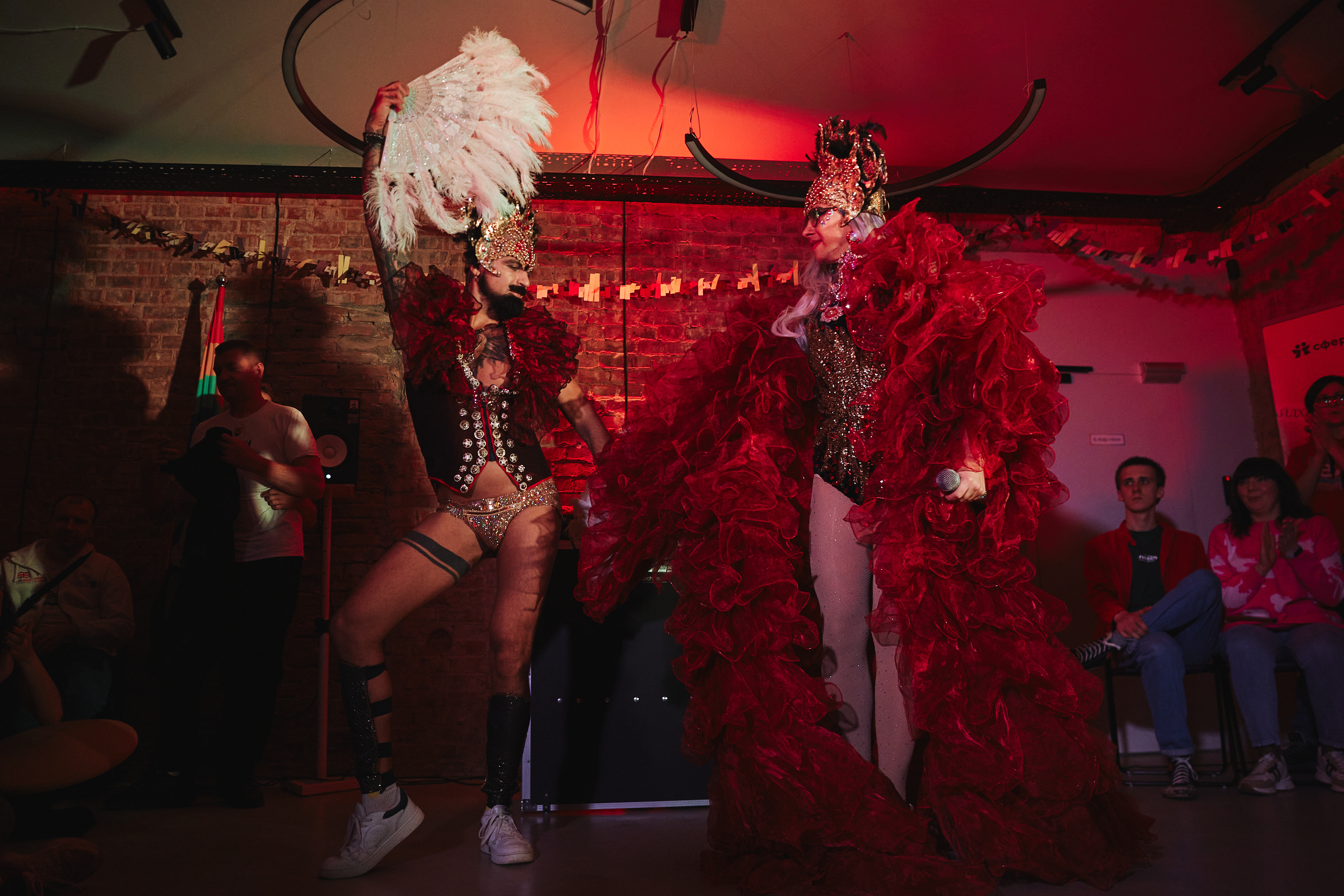
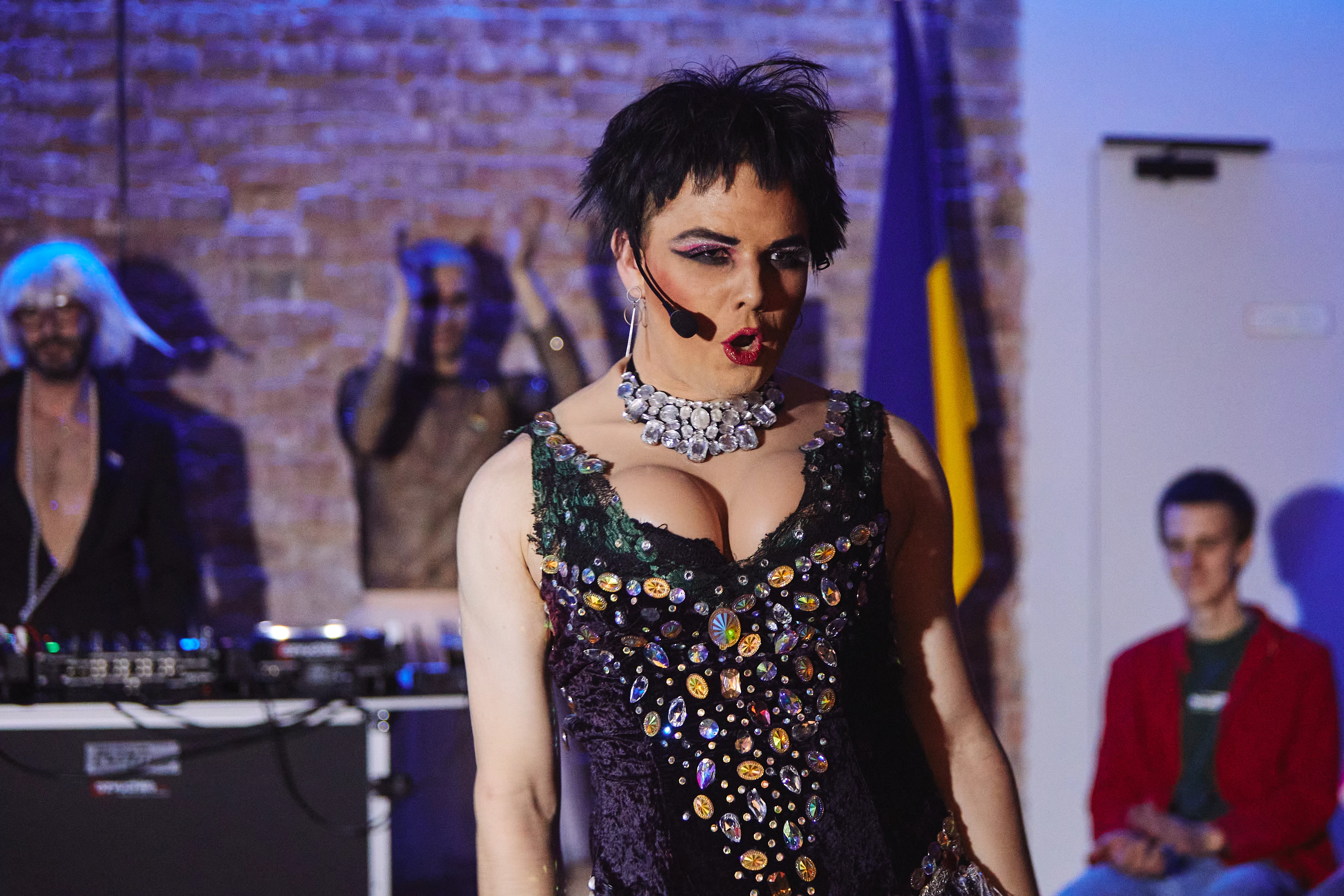
Then the contestants appear on stage one by one, and the next hour turns into pure excitement: chandeliers falling from the ceiling, songs being sung, playful dances, air kisses, colorful fans, fluffy boas, rainbow sequins, and, most importantly, the magnetism of the spirit of freedom.
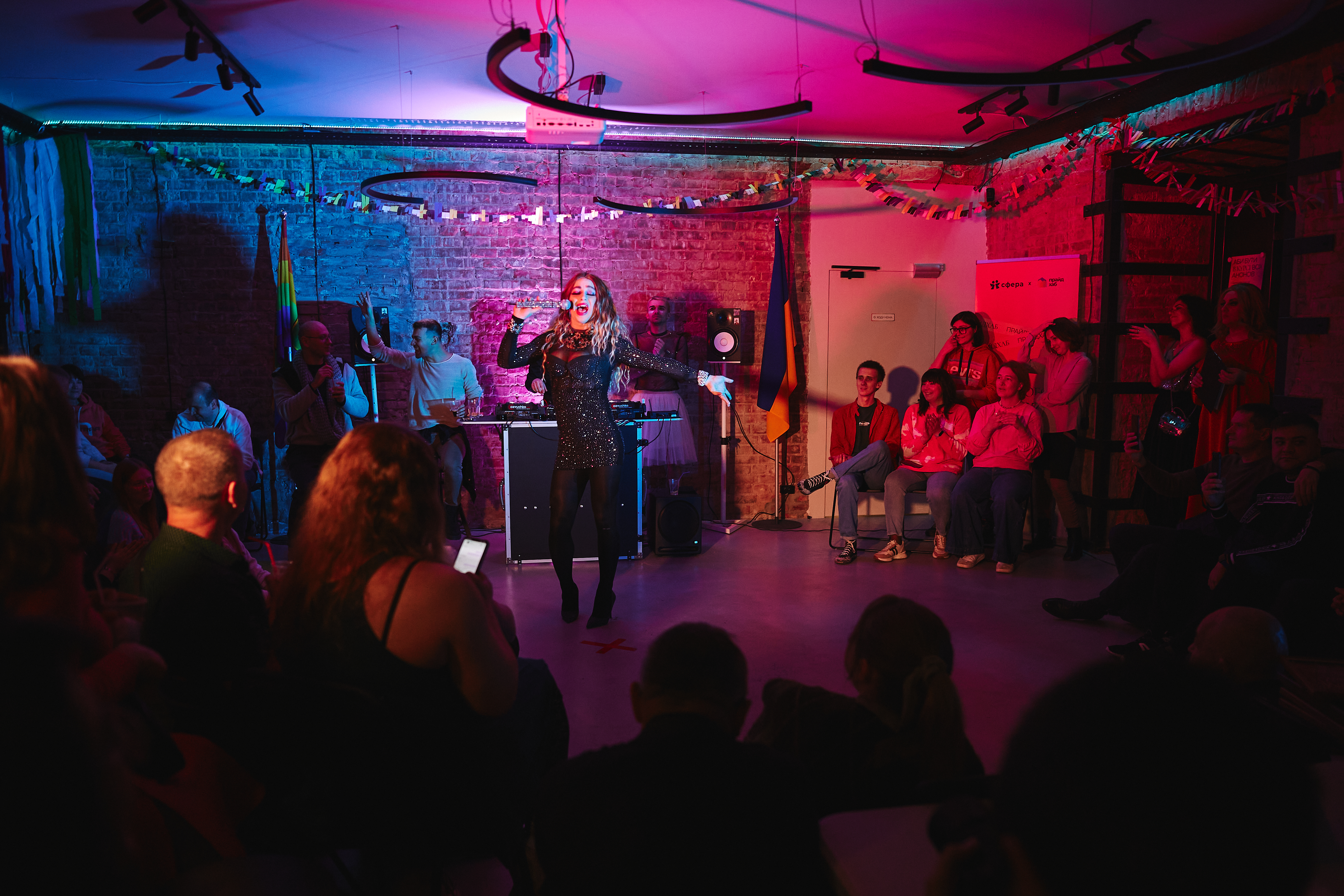
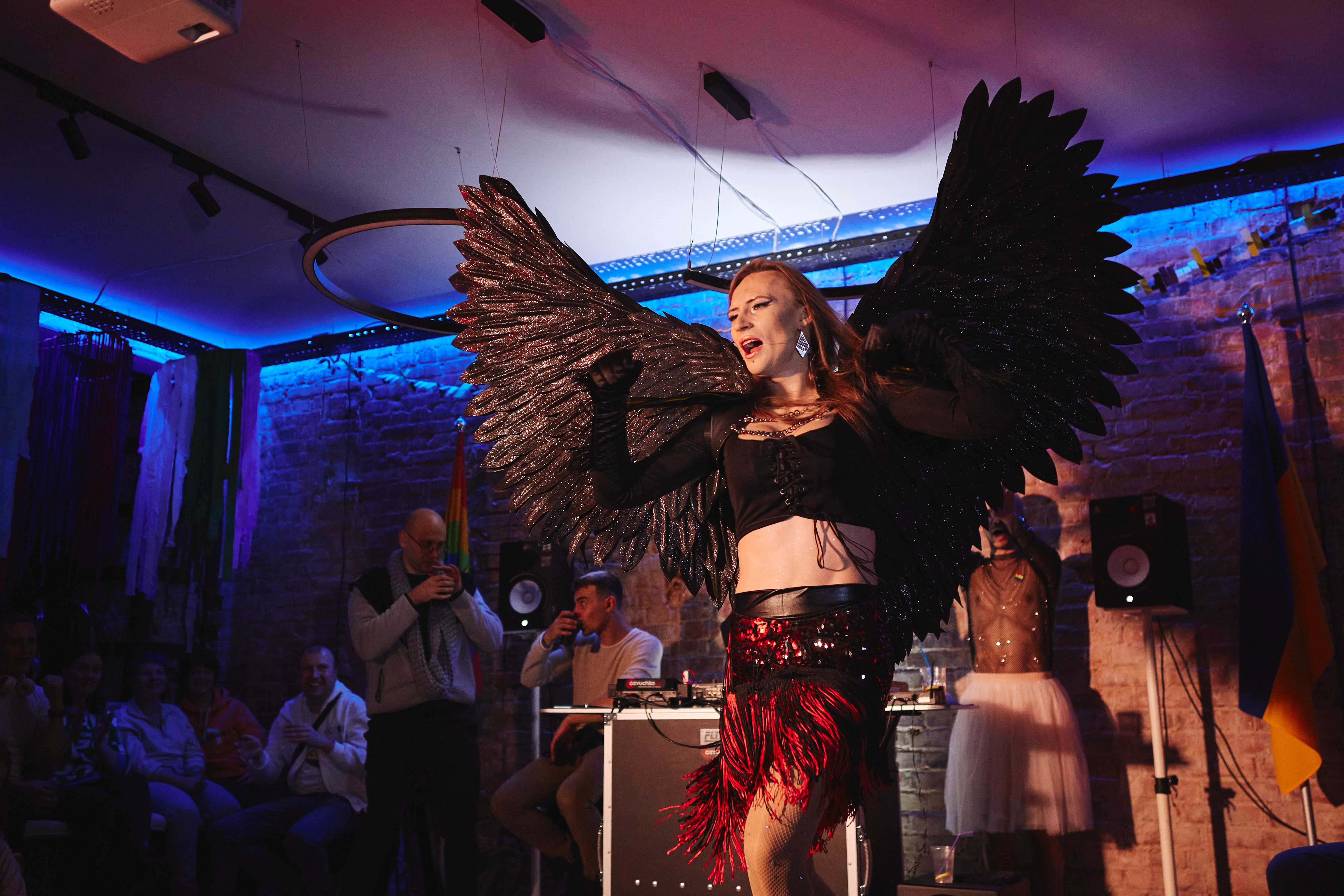
When Dancing Queen starts playing, the queens come on stage in evening dresses. Each one receives a participant’s diploma, but the main question remains.
“Who will be our winner — the miracle of 2025?” Kira asks mysteriously. In response, the audience shouts out the nicknames of their favorite artists. “The crown goes to… Monica!”
The hall erupts in applause, the artists hug each other and applaud their friend. Monica’s costume with lanterns and her trick with changing wigs, though unplanned, impressed everyone. Monica rejoices, but does not want to take all the credit for her victory.
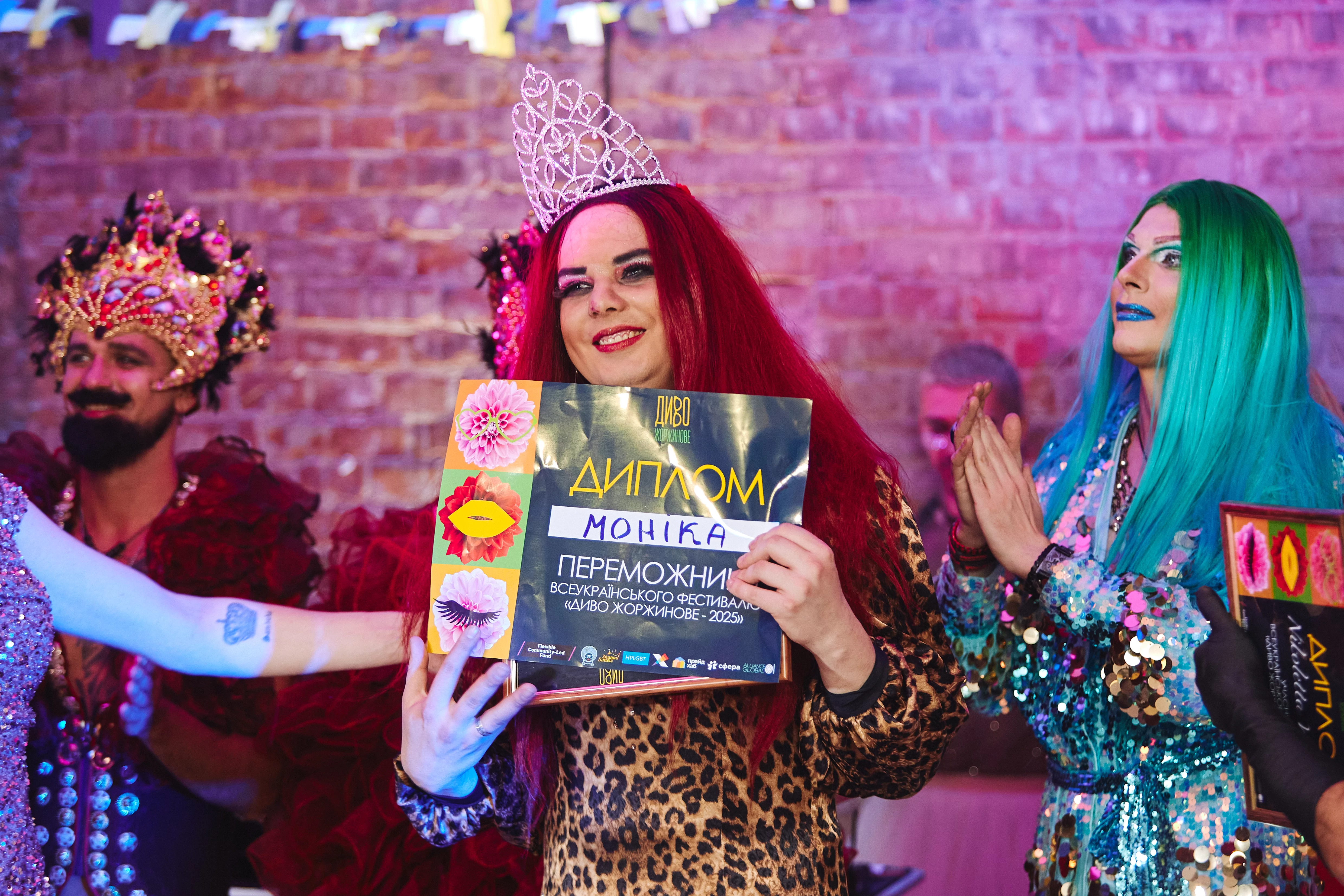
“We all worked hard, we all performed amazingly!” says Monica as we walk away from the loudspeakers. She’s almost glowing with happiness. “If one person wins, everyone wins. The whole project won because we succeeded, we did everything, everything went as planned. We are very happy that so many people came to this event today.”
“What are your plans for the future?” I shout over Madonna’s iconic Like a Prayer.
“I’ll definitely drink a glass of compote, call all my friends and tell them that they didn’t hold a candle for my victory in vain!”
Translation: Nazar Hlamazda
Hi, thank you for reading till the end! This article’s Ukrainian original was written by Katia Deviatko, our journalist who went to the drag queen festival to share the joys and experiences of it with our readers. If you want to see more articles like this, support Gwara by buying us a coffee or subscribing to our Patreon!
Read more
- Russian troops bomb kindergartens. Here’s how mother helps her son restore sense of safety in Kharkiv


Subscribe to news from Kharkiv, Ukraine
Most important stories from the frontline region