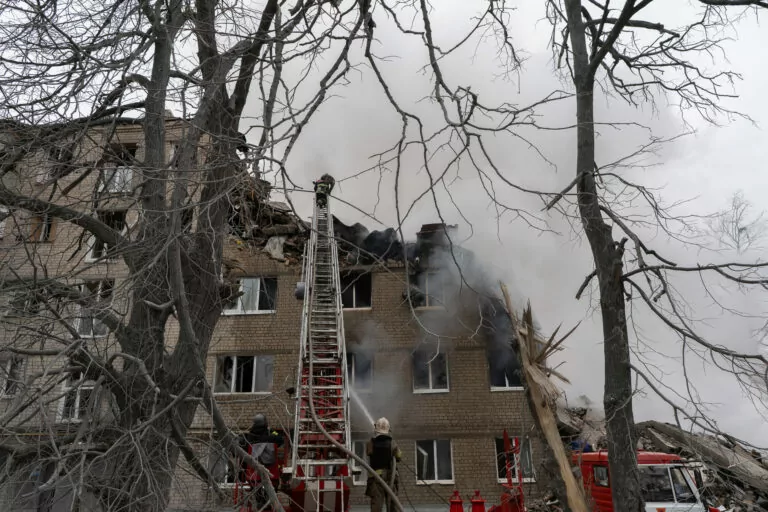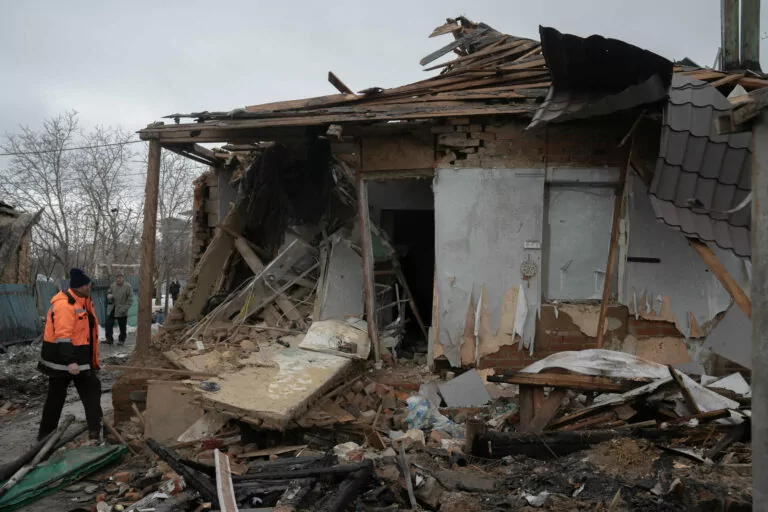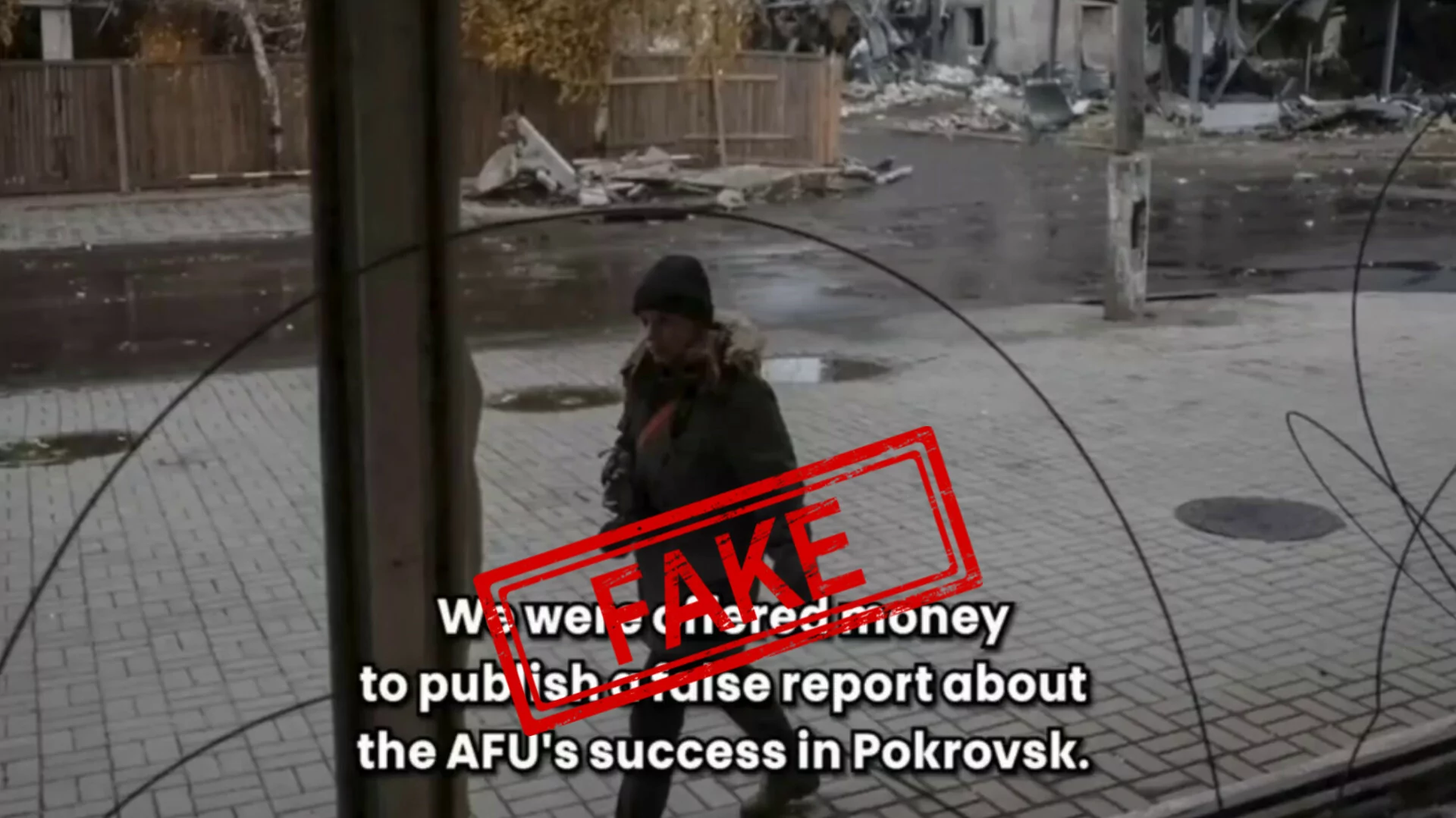
On Nov. 12, pro-Russian channels shared a fake video (archive) where Ukrainian forces exit Pokrovsk in the Donetsk region. The next day, they published a video, allegedly from the Institute for the Study of War (ISW), about journalists attempting to bribe analysts to write a fake assessment of the Ukrainian army’s successes in Pokrovsk.
Our fact-check team investigated the source of the video.
What happened?
Pro-Russian Telegram channels “Shaman Rahu” (archive) and “Kryminfo forum ZOV” (archive) shared information that Ukrainians attempted to trick the ISW team into publishing fake articles about Ukrainian advances in Pokrovsk.
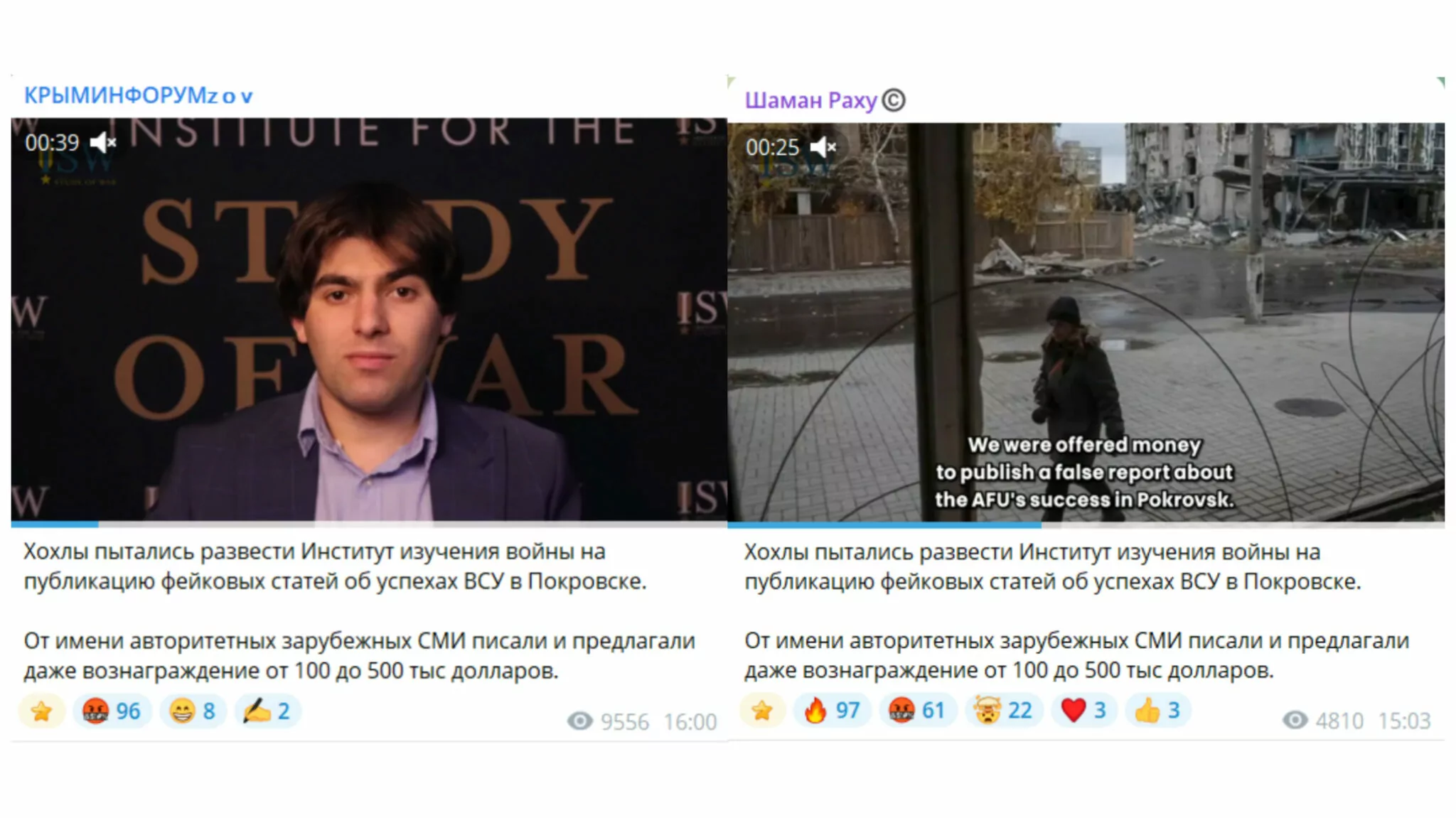
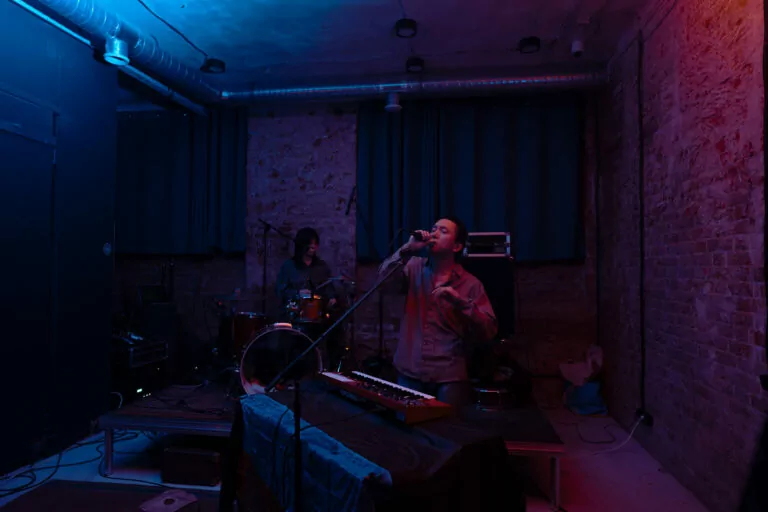
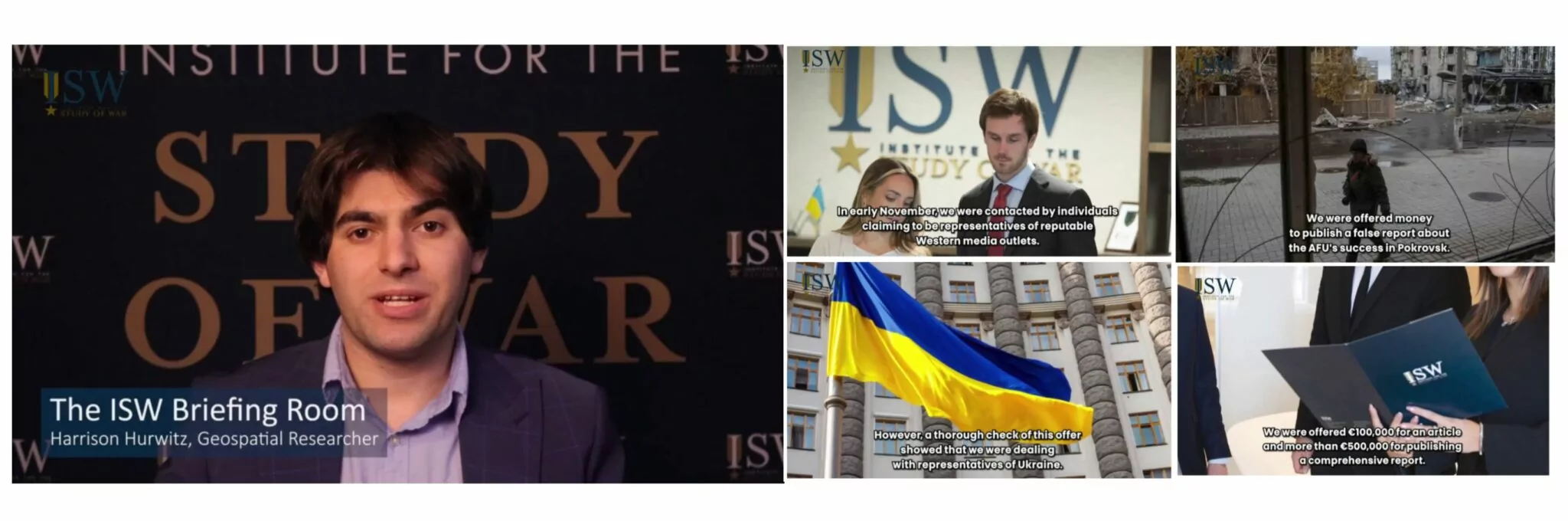
Pro-Russian channels added a video with the ISW logo, featuring geospatial intelligence analyst Harrison Hurwitz. He seems to be claiming that individuals representing famous Western media outlets contacted the institute and offered bribes of between $100,000 and $500,000 to publish false reports about the situation in Pokrovsk.
Analysis
First, we checked the website and social networks of ISW for any mention of an “attempted bribery” since the beginning of November. However, no relevant information has been published on the institute’s resources.
Later, we found a relevant video on the official ISW YouTube channel.
In the original video, published on Apr. 3, Hurwitz discusses the Russian army’s attempts to seize control of the key logistics and transport hub of Pokrovsk.
In the video, which lasts more than three minutes, Hurwitz either speaks on camera or his words are heard off-screen and illustrated with relevant video footage, maps, and infographics. In contrast, the video from pro-Russian Telegram channels features the analyst only on camera, while the rest of the information is voiced off-camera by him, and the video is accompanied by publicly available photos with subtitles. The frames used in the video are not present in the original ISW’s video.
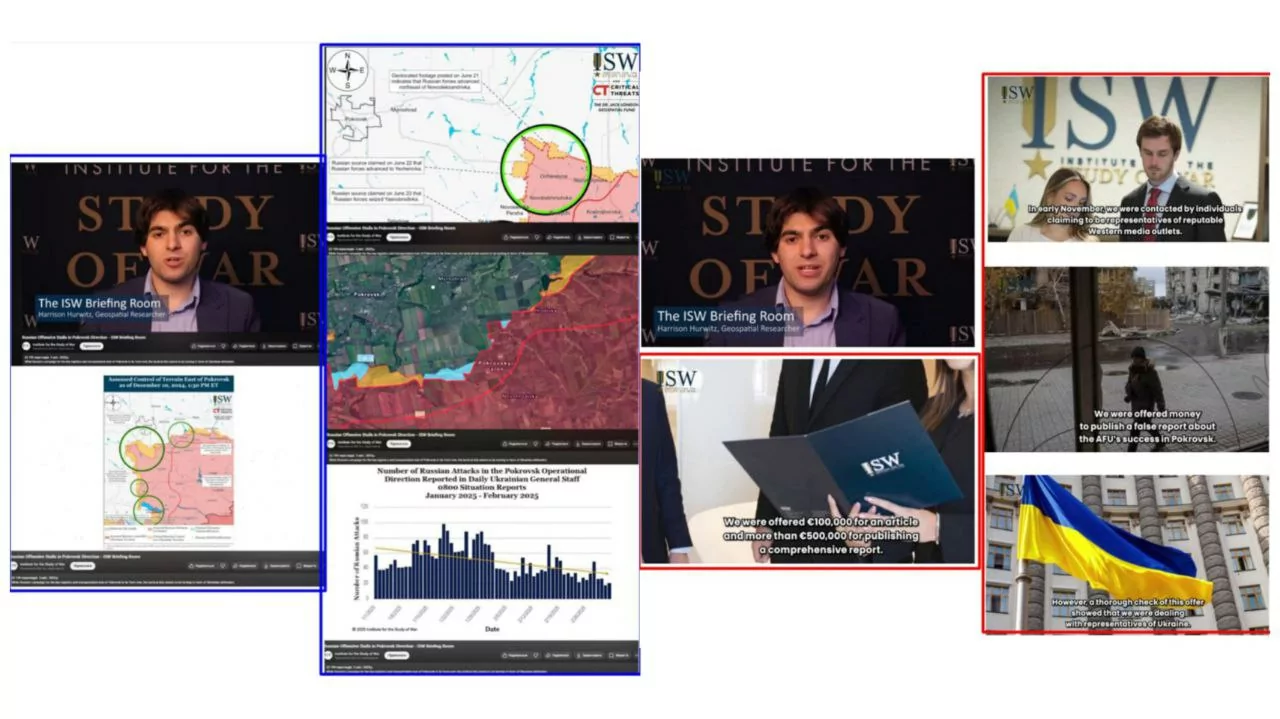
After comparing the audio tracks in both videos, we found that the analyst’s voice, which he uses to report on the bribery attempt, was fake. It differs from Hurwitz’s real voice and has the digital sound characteristics of an AI-generated voice.
We asked the ISW for comment on the shared video. In response to our inquiry, Alexander Mitchell, the Director of External Relations at ISW, confirmed that the video was fake and that their brand had not allowed its creation.
“ISW is aware that a known Russian bot network is again spreading AI-generated deepfake videos that deceptively use the ISW brand and likeness to promote fabricated assessments and other false claims as part of the Kremlin’s concerted campaign to undermine trust in Ukrainian institutions. The claims made in this video are completely false,” said Mitchell.
Conclusion: Fake
Author: Olha Yakovleva
Translation to English: Elza Diachenko
Read more
- Debunking Russian fakes. No, French police didn’t detain two Ukrainians for Louvre heist
Whatever awaits Ukraine in Russia’s war, our Kharkiv-based newsroom plans to keep reporting on it. Please, support our journalism by buying us a coffee or subscribing to our Patreon.


Subscribe to news from Kharkiv, Ukraine
Most important stories from the frontline region